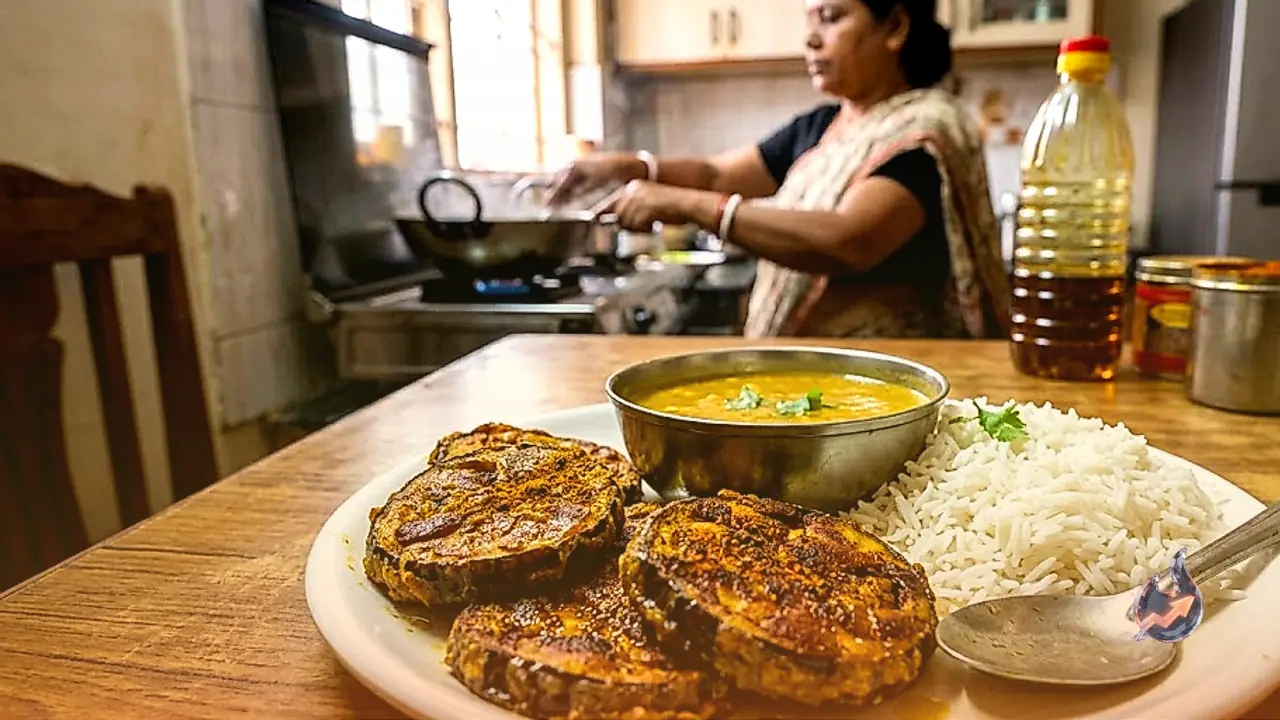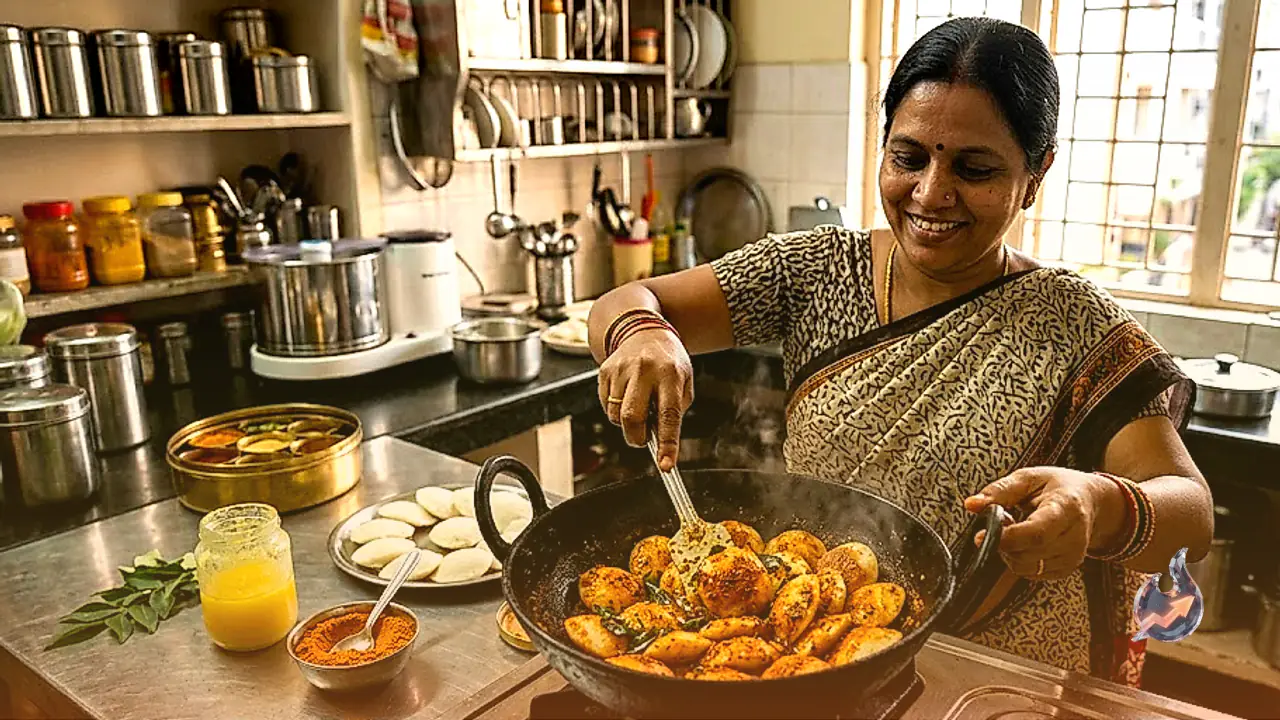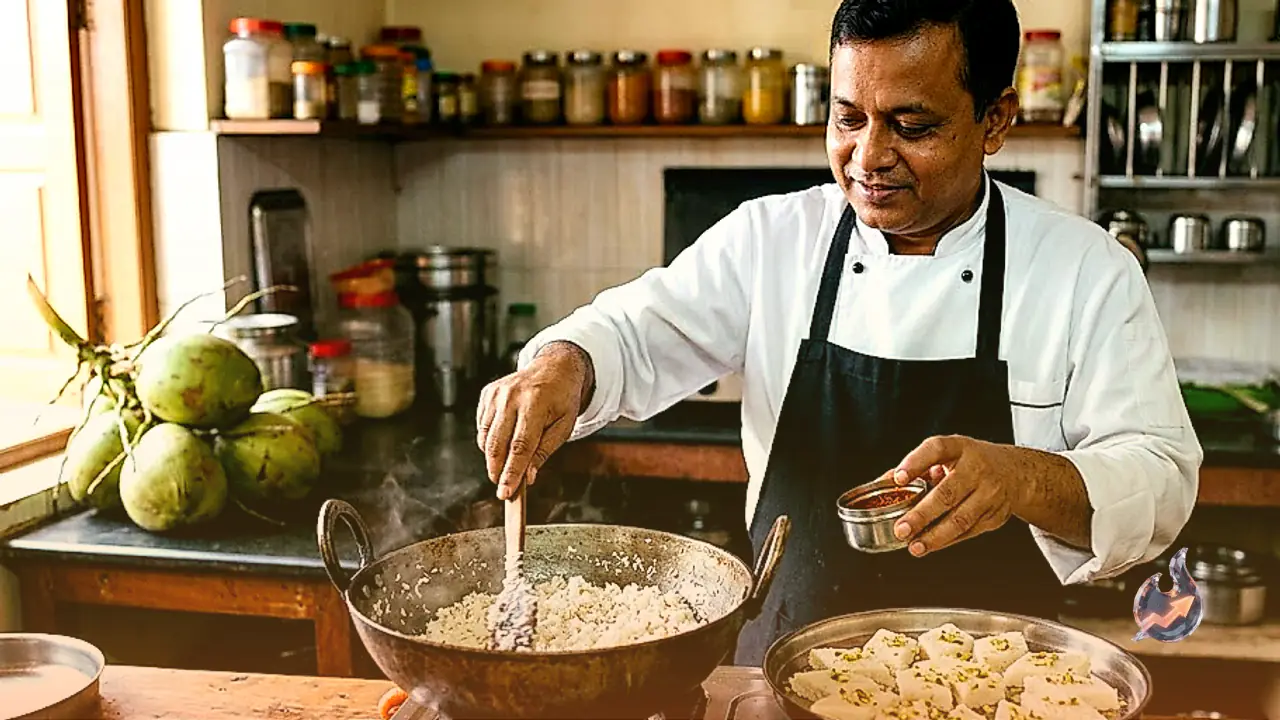





















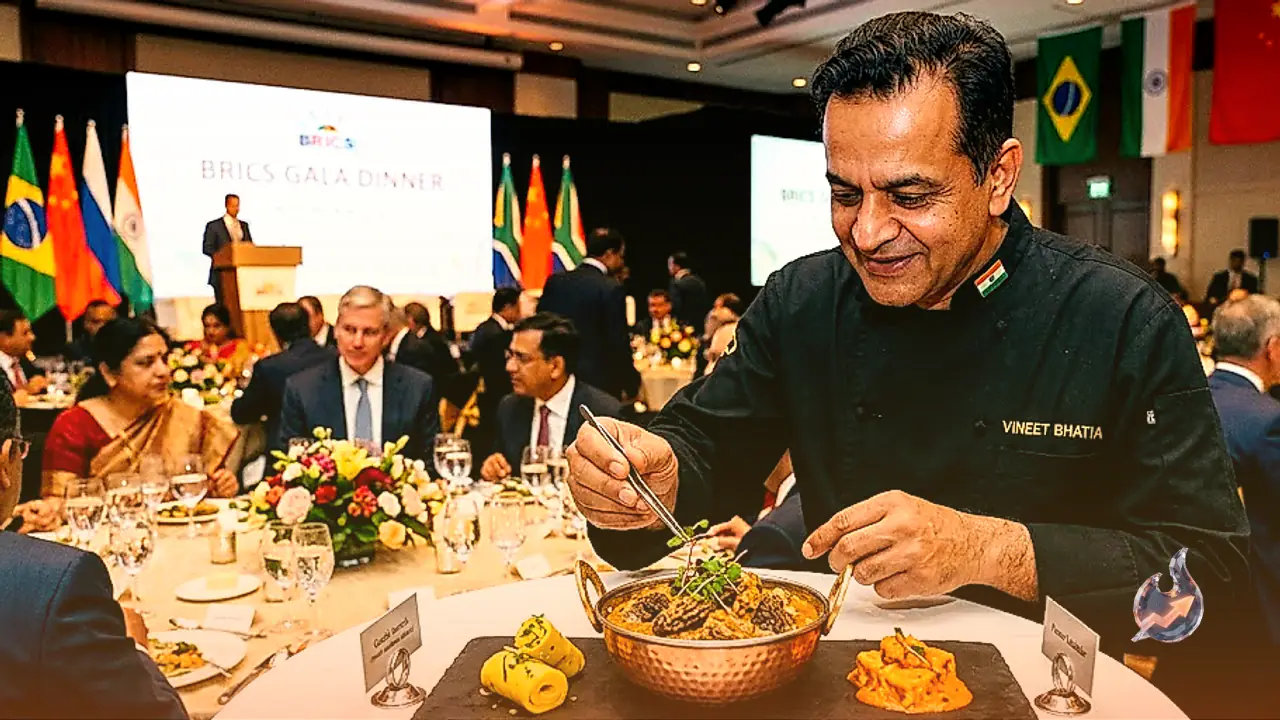

Indian cuisine routinely earns global acclaim on prestigious international platforms, celebrated for its astonishing variety, rich aromas, and deep cultural roots. At the high-profile gala dinner hosted on the sidelines of the BRICS summit, world dignitaries were treated to a carefully curated spread of authentic regional flavors. The grand banquet featured a wide-ranging culinary journey spanning crisp western savories, velvety North Indian curries, and wholesome ancient grains. On the official menu were signature items including khandvi, paneer lababdar, gucchi marmik, millet pulao, mushroom galouti, and crisp sweet jalebi. Each of these preparations brings its own time-honored cooking technique and distinctive taste profile to the dining table. For food enthusiasts eager to experience the very dishes served to global leaders, the recipes can be recreated at home through straightforward, authentic steps.
The Delicate Art of Gujarati Khandvi
Khandvi is a celebrated savory snack from western India, admired for its silken texture, light profile, and rolled presentation. To prepare this delicacy, gram flour and fresh whisked yogurt are combined with water to create a completely smooth, lump-free batter. Turmeric powder and salt are mixed in to impart a gentle golden tint and balanced seasoning. The mixture is then cooked over low heat in a heavy-bottomed pan, requiring continuous and energetic stirring so that no clusters form at the bottom. As the mixture thickens into a glossy, spreadable paste, it is taken off the heat. While still piping hot, the mixture is quickly spread in a paper-thin layer across greased flat trays or plates. Once cooled for a couple of minutes, the set sheet is sliced into strips and rolled up gently into compact rolls. A crackling temper of hot oil infused with mustard seeds, fresh curry leaves, and sesame seeds is poured over the rolls before serving.
Rich and Comforting Paneer Lababdar
Paneer lababdar holds a prominent place in festive North Indian dining, famous for its luxurious, velvety onion-tomato base. The cooking process starts by searing fresh cottage cheese cubes on a flat skillet until they take on a gentle golden blush. In a separate pan, a splash of cooking oil or clarified butter is heated to sauté finely chopped onions, crushed ginger, garlic cloves, and ripe tomatoes until softened and fragrant. This base mixture is allowed to cool before being pureed into a fine, silky paste. The puree returns to the pan, where it is gently simmered alongside aromatic ground spices including coriander, turmeric, chili powder, and garam masala until the oil surfaces. A generous swirl of fresh dairy cream is stirred in to grant the gravy its quintessential velvety smoothness. The seared paneer cubes are introduced toward the end, simmering for a few minutes to soak up the sauce, and the preparation is finished with crushed dried fenugreek leaves.
Slow-Cooked Gucchi Marmik With Wild Morel Mushrooms
Gucchi, or Himalayan wild morel, represents one of the most prized culinary ingredients in the subcontinent, harvested from the forest floors of the high mountains and celebrated for its earthy intensity. Because of its natural origin and honeycomb surface, preparing gucchi marmik demands meticulous initial cleaning. The dried morels are soaked and rinsed thoroughly in lukewarm water across multiple changes to dislodge any trapped forest sediment. Once softened, the mushrooms are drained. A cooking pot is layered with ghee or oil, and minced onions, garlic, ginger paste, and whole whole spices are sautéed until deeply browned. The prepared gucchi mushrooms are added to the aromatic base, followed by a measured measure of water. Covered and simmered on gentle heat, the morels braise slowly until they turn meltingly tender, allowing the natural juices and rich spices to concentrate fully.
Nutritious and Aromatic Millet Pulao
Aligning modern dining with age-old health traditions, millet pulao formed a cornerstone of the banquet spread, highlighting the versatility of coarse grains. The preparation begins by picking and rinsing your choice of whole millet several times before soaking it briefly in clean water. In a heavy pan, a spoon of pure ghee is warmed, followed by the spluttering of cumin seeds, bay leaves, and whole spices. A vibrant assortment of diced seasonal vegetables like carrots, peas, and green beans is gently tossed into the pan and sautéed until tender-crisp. The soaked millet is then added along with the required volume of hot water and covered tightly with a lid. The grain is left to steam over low heat until each grain absorbs the liquid and cooks into a light, separated consistency. The finished pulao is gently fluffed and garnished with fresh coriander sprigs.
Melt-in-the-Mouth Mushroom Galouti Kebabs
Inspired by royal Awadhi culinary traditions, mushroom galouti offers a decadent vegetarian counterpart to traditional minced patties, celebrated for a texture that virtually dissolves upon tasting. Cultivated mushrooms are either finely diced or coarse-ground before being combined with cooked lentils or natural binders to hold the mixture together. The base is seasoned with minced ginger, garlic paste, salt, and an intricate blend of warm spices. Once kneaded into a pliable, uniform dough, the mixture is shaped into small, round, flattened patties. These patties are gently placed onto a flat griddle brushed with minimal oil or clarified butter. Cooked steadily over low to medium heat, the kebabs are turned carefully until both exterior sides turn a deep, crisp golden-brown while remaining exquisitely soft inside.
Crisp, Golden Jalebis for a Grand Finale
No Indian banquet is considered complete without an iconic traditional dessert, and the menu concluded with piping-hot, crispy jalebis. The preparation centers on an all-purpose flour batter mixed with water to form a smooth, thick yet flowing consistency. This mixture is rested for a short duration to develop a subtle fermentation note. The batter is transferred into a perforated cloth or a piping bag and squeezed in tight, concentric spirals directly into a pan of hot oil. The coils are deep-fried until they turn firm, crisp, and pale gold. As soon as they are lifted from the hot oil, they are immersed directly into a warm, fragrant sugar syrup. After soaking for several seconds to draw the sweetness into their hollow centers, the glossy jalebis are lifted out and served immediately.