


















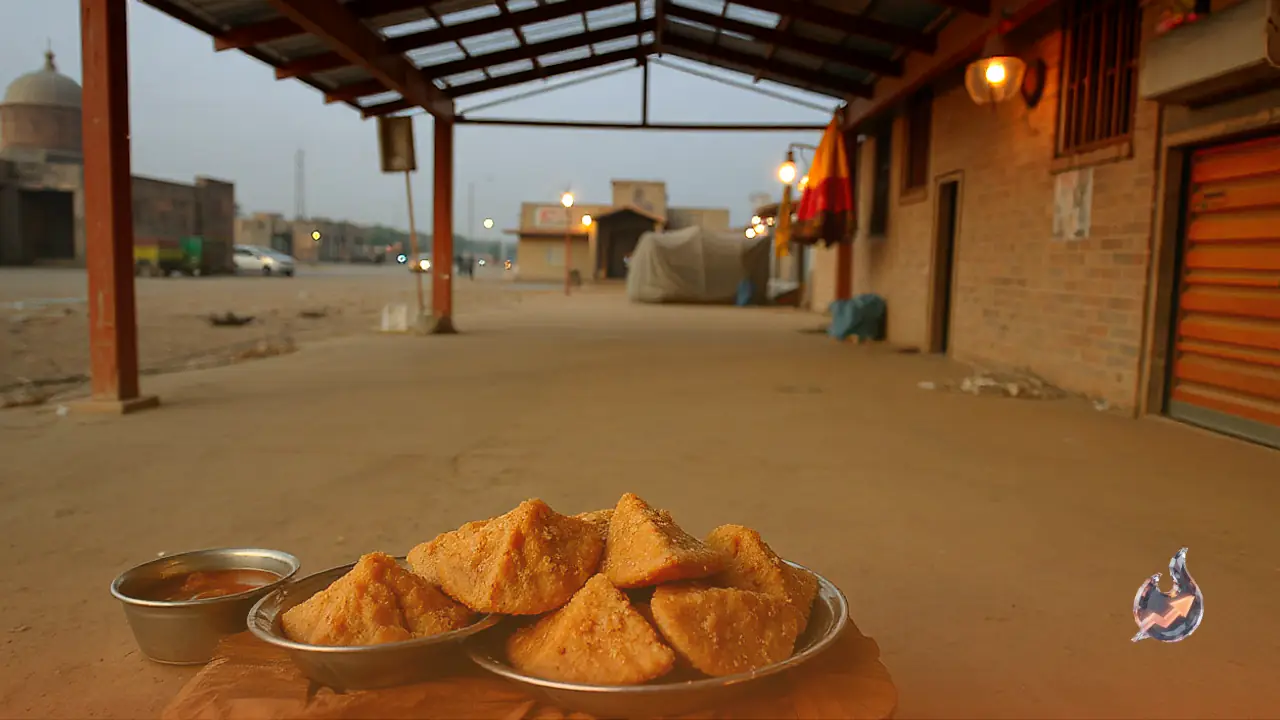

The festive cheer of Diwali remains incomplete without the aroma of traditional sweets wafting through the home. Among the seasonal delicacies, gujiya holds a special place with its golden, crispy exterior shell and a decadent, aromatic core of sweetened khoya and roasted nuts. Preparing this festive treat at home is surprisingly straightforward, allowing anyone to recreate the crispness and rich flavor associated with classic confectionery shops while keeping ingredients wholesome and fresh.
Required Ingredients for the Crust and Filling
Making traditional mawa gujiya involves two primary components, the outer pastry dough and the rich interior stuffing. Keeping the measurements exact guarantees the ideal texture
- Dough Ingredients: Two cups of refined flour, one tablespoon of pure ghee, and water as needed for kneading.
- Stuffing Ingredients: Half cup of grated dry coconut, half cup of semolina, four tablespoons of cashews, two tablespoons of almonds, four tablespoons of pistachios, one cup of mawa, one teaspoon of cardamom powder, half cup of powdered sugar, two tablespoons of ghee, and cooking oil for deep frying.
Preparing the Rich Nut and Khoya Mixture
The soul of any gujiya lies in the quality of its filling. Begin by placing a wide pan over a flame. Add half a cup of grated dry coconut and half a cup of semolina separately, roasting each ingredient dry until it turns light brown and fragrant. Remove them, add a spoon of ghee to the same pan, and gently roast the grated or finely chopped cashews, almonds, and pistachios until golden.
Next, introduce one cup of fresh mawa into the pan with the warm dry fruits. Stir the mixture gently over a low flame until the mawa melts down completely and blends with the nuts. Once smooth, turn off the heat and stir in the roasted semolina, roasted coconut, ground cardamom powder, and powdered sugar. Mix thoroughly until all elements form a cohesive, fragrant stuffing, then transfer the mixture to a bowl to cool down to room temperature.
Kneading the Dough and Assembling the Parcels
Achieving a wonderfully flaky crust requires incorporating the shortening properly. Take two cups of refined flour in a mixing bowl, pour in one tablespoon of ghee, and rub the fat into the flour using your fingertips until the mixture resembles breadcrumbs. Once the ghee is distributed evenly, sprinkle water gradually and knead until a pliable, soft dough comes together. Cover the dough and let it rest briefly.
Pinch small portions of the dough and roll them into neat balls. Flatten each ball with a rolling pin into a small, thin circle like a puri. Lay this rolled dough gently over an open gujiya mould. Spoon a generous portion of the prepared mawa and nut mixture into the center cavity. Moisten the edges slightly with a drop of water, close the mould firmly to seal, and trim away the excess dough along the borders. Repeat this process until all dumplings are assembled.
Frying Techniques and Storing Instructions
Heat a generous amount of cooking oil in a heavy-bottomed frying pan over medium heat. Carefully slide a few assembled dumplings into the hot oil without overcrowding the pan. Maintain a steady medium flame to allow the pastry shell to cook thoroughly from within while turning golden brown and crisp on the outside. Remove the fried pastries using a slotted spoon and drain any excess oil. Once cooled, place the gujiyas in an airtight container to keep them fresh and crisp throughout the festive week.