




















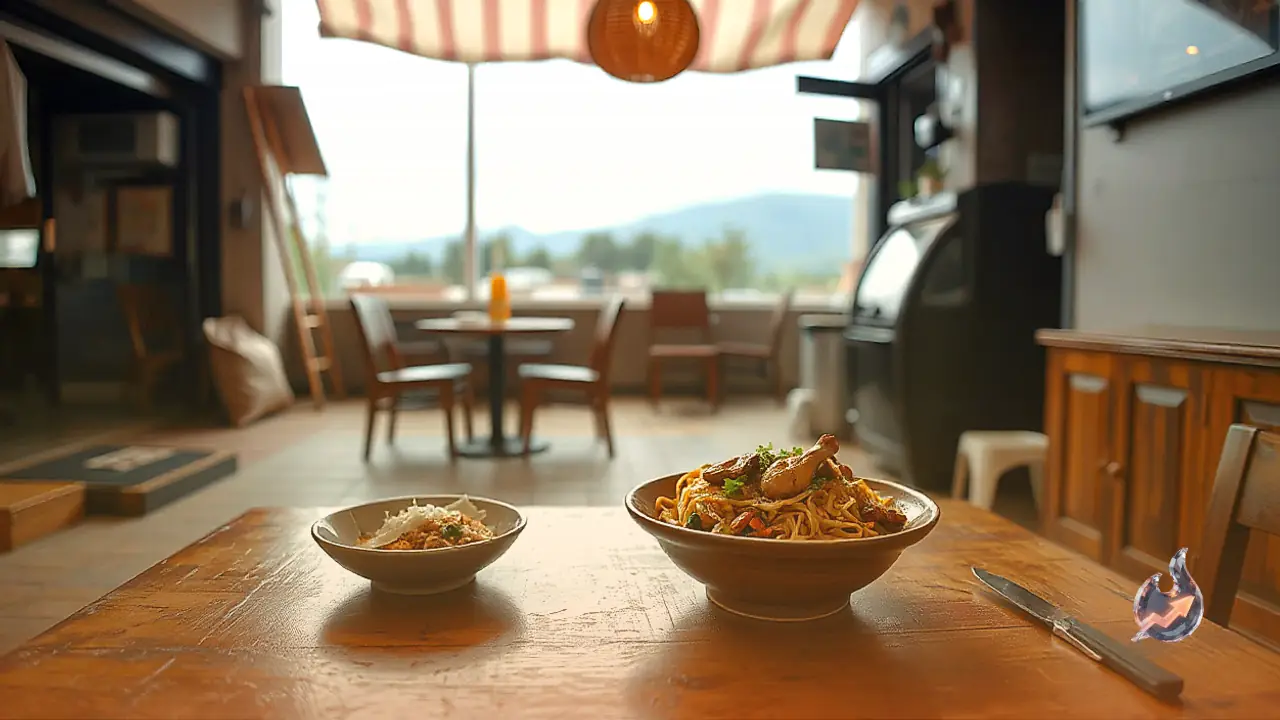

Few culinary sights match the instant appeal of a piping hot platter of noodles served straight from the flame. When tossed with lightly browned, tender chicken chunks, vibrant vegetables, and a savory medley of sauces, the dish turns into a satisfying meal. Chicken hakka noodles hold an enduring charm precisely because they transform pantry staples into something suitable for a light lunch, an evening snack, or a relaxed dinner. Preparing this favorite does not demand intricate kitchen appliances or a long list of obscure spices. A spacious wok, pre-boiled noodles, tender cooked chicken, and cleanly sliced vegetables are practically all you need. Even so, protecting the delicate textures of both the noodles and the produce demands attention to a few critical cooking habits.
Overcooking noodles until they turn mushy or letting vegetables linger too long on the flame inevitably creates a dense, sticky mass. Conversely, organizing ingredients beforehand and introducing them into the pan in a calculated order ensures each strand stays distinct alongside crisp, colorful veggies, delivering an authentic restaurant quality plate straight from your own stove.
Gathering the Ingredients and Measuring Correctly
Laying out every component before turning on the burner prevents frantic scrambling during high heat cooking. For an ideal serving meant for two people, prepare one bowl of pre-boiled noodles along with five to six tender pieces of boiled, boneless chicken. Fresh produce requirements remain straightforward: one medium onion, one small bell pepper, and one small carrot. To build the seasoning base, keep up to two tablespoons of soy sauce, one teaspoon of vinegar, half a teaspoon of black pepper powder, and half a teaspoon of red chili powder within reach.
Salt must be calibrated carefully based on personal taste and sauce salinity. For searing and stir frying the chicken and produce, measure out one to two tablespoons of cooking oil. Finally, set aside a modest handful of finely chopped spring onions to garnish the finished plate. Because home bowls and poultry portion sizes can vary, resist the urge to pour all the sauces and spices into the pan at once; gradual adjustments yield far more balanced results.
Prepping and Boiling the Boneless Chicken
Uniformity is vital when working with boneless chicken pieces. Slice the poultry into compact, evenly matched chunks so they cook through at the same pace in the boiling water and distribute neatly among the noodles later. Submerge them in water and cook thoroughly until fully done, then drain the water out through a strainer. Cooking durations fluctuate depending on chunk thickness, which means relying purely on a set timer without checking tenderness is a mistake.
Allow all excess surface moisture to drip away completely from the boiled poultry before it touches any oil. Wet pieces will cause oil to splatter violently in the hot pan and will hinder the formation of a delicate golden crust on the meat. Kitchen hygiene must also remain a top priority. Any knife and chopping board used for handling raw chicken must undergo a thorough washing with hot soapy water before being used to chop fresh vegetables.
Mastering the Noodles Boil and Preventing Clumping
Boiling noodles requires following package instructions closely, but always monitor the texture just before the recommended timer finishes. Because the strands will return to the pan to undergo high heat tossing alongside chicken, produce, and sauces, they should not be cooked to absolute softness in the water. Once they hit the right bite, drain them immediately and let all boiling water escape. If necessary, drizzle a tiny drop of cooking oil over the batch and toss gently to keep strands separate as they cool.
Avoid turning hot noodles repeatedly with a spoon or fork, as excessive agitation will snap the fragile strands. Having these noodles ready, drained, and cooled before heating the wok allows the final stir frying phase to progress smoothly and without unintended delays.
Uniform Vegetable Slicing and High Heat Stir Frying
Slicing techniques directly influence both visual appeal and cooking speed. Peel and cut the onion into thin, uniform strips, and match that shape by slicing the carrot and bell pepper into long, slender batons. A dense vegetable like carrot takes longer to soften compared to crisp bell pepper, so keeping all slices equally thin ensures they cook evenly in the wok. Wash the vegetables thoroughly and pat off residual water droplets.
Heat your oil in an open wok or a wide skillet over a sturdy flame. Add the boiled chicken pieces first, turning them gently until they develop a light, golden sheen. Since the meat is already boiled through, prolonged frying should be avoided to prevent it from turning dry or stringy. Next, toss in the carrots and stir briefly before adding the sliced onion and bell peppers. Maintain medium to high heat while stirring constantly, ensuring the vegetables soften slightly while holding onto their natural, refreshing crunch.
Balancing Sauces and Dry Seasonings
As soon as the vegetables reach a crisp-tender state, lower the heat slightly to introduce the soy sauce, vinegar, black pepper powder, and red chili powder. It is best practice to drizzle in only a portion of the soy sauce initially, holding back the remainder until you can assess the taste. Commercial soy sauce brands vary considerably in saltiness and depth of flavor, which is why added table salt should be kept minimal at first. Stir the spices through the chicken and vegetable mixture promptly, never allowing dry powders to sit unattended against the scorching pan base.
Tossing the Strands and Plating the Finished Dish
Slide the prepared boiled noodles into the wok. Rather than mashing down with a heavy spatula, use a pair of kitchen tongs or two large spoons to lift the noodles from underneath, gently folding them into the chicken and vegetables. This lifting method prevents strand breakage while allowing the savory sauce to coat every piece evenly. Taste a tiny portion to check for salt and spice balance, making small additions if necessary.
Because both the poultry and noodles are pre-cooked, this stage only requires heating the components through until the flavors meld. If working with a smaller skillet, divide your ingredients and cook in two separate batches rather than crowding the pan. Scatter the finely sliced spring onions over the steaming chicken hakka noodles and serve immediately. Diners who favor extra heat can be offered chili sauce on the side, while batches meant for children can omit extra chili flakes or pepper. From slicing to the final toss, the entire preparation takes approximately 35 minutes or slightly longer.