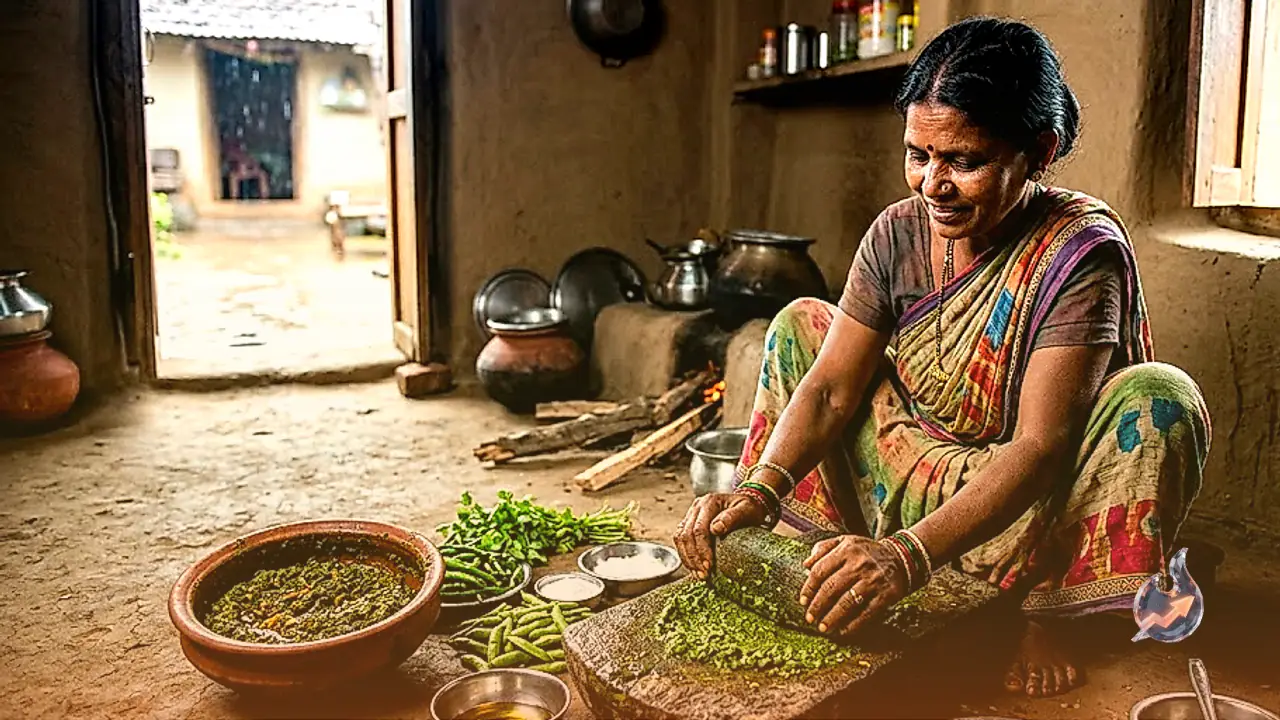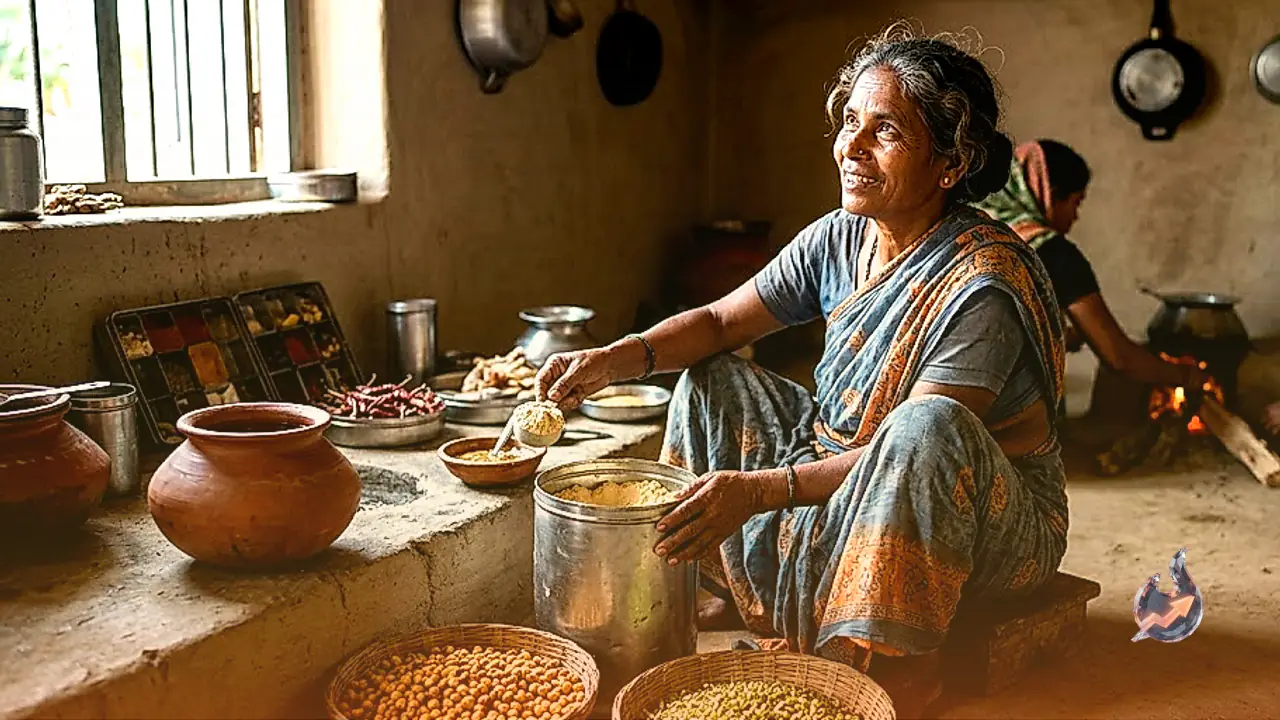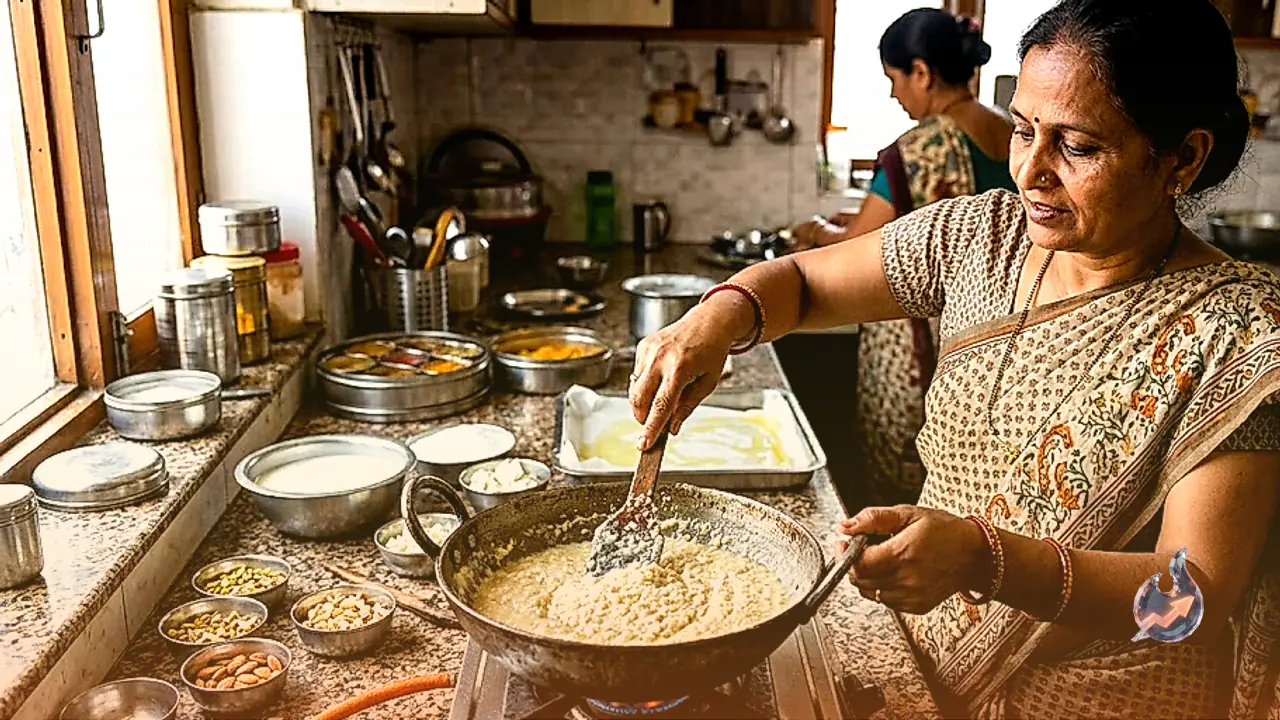























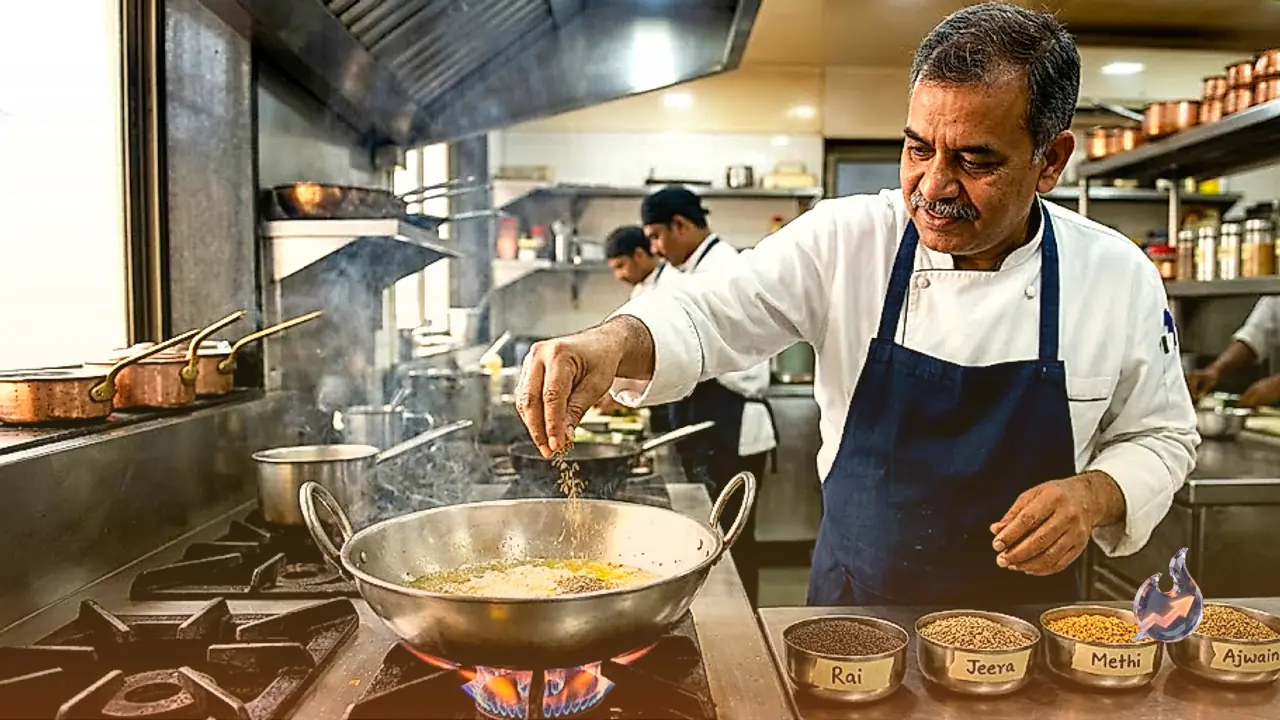

Tempering, widely known as tadka in Indian culinary traditions, serves a purpose far beyond merely seasoning a dish. A properly executed tempering enhances the visual color, brings out rich aromatics, and elevates the overall nutritional profile of food. Among the most fundamental spices stored in a traditional spice box are mustard seeds, cumin seeds, fenugreek seeds, and carom seeds. Although home cooks sometimes treat these four ingredients as interchangeable, each spice possesses distinct flavor characteristics, unique aromas, specific culinary applications, and precise heating requirements during cooking.
Mustard Seeds (Rai): Appearance, Uses, and Tempering Rules
Mustard seeds, commonly called rai, appear as tiny, spherical grains that are dark brown or black in color. These seeds carry a mildly pungent flavor accompanied by a sharp, powerful fragrance. In culinary preparations, rai is a staple ingredient across South Indian dishes, daily dal formulations, sambar, poha, and various sautéed vegetable recipes.
To temper mustard seeds correctly, drop them into thoroughly heated oil. The seeds will immediately begin to pop and crackle. You will know the spice is properly bloomed once all the tiny grains have burst open, after which you can safely incorporate subsequent spices and ingredients into the pan.
Cumin Seeds (Jeera): Flavors and Roasting Technique
Cumin seeds, or jeera, are recognizable by their elongated shape and light brown hue. They offer a warm, distinctly earthy taste profile that forms the backbone of many savory dishes. Cumin finds widespread application in tempering lentil bowls, mixed vegetable curries, fresh yogurt raita, aromatic pulao, and rich gravies.
When cooking with cumin, add the seeds directly to warm ghee or oil. Allow them to heat until their shade shifts to a slightly deeper tone and their pleasant fragrance fills the air. It is vital to monitor the temperature carefully, as letting cumin burn results in an unpleasantly bitter taste in the final meal.
Fenugreek Seeds (Methi): Balancing Bitterness and Depth
Fenugreek seeds, known locally as methi, feature a yellowish-brown color and a distinctively bitter taste profile. When used in moderate, controlled proportions, these seeds impart a deep complexity and unique richness to culinary creations. They are traditionally incorporated into pickles, sambar recipes, and specialty vegetable dishes.
Because of their natural bitterness, fenugreek seeds must be cooked in small quantities over medium heat. Excessive roasting causes them to become overly bitter and ruin the dish. Chefs frequently combine fenugreek seeds with mustard or cumin seeds when preparing a multi-spice tempering blend.
Carom Seeds (Ajwain): Aromatics and Digestive Dishes
Carom seeds, or ajwain, are small in size yet possess an exceptionally potent aroma and a sharp, lightly spiced taste. These seeds are a popular addition to stuffed parathas, crispy pakodas, tangy yogurt-based kadhi, and various meals focused on promoting healthy digestion.
When carom seeds enter hot oil, they release their aromatic oil almost instantly. Due to this quick reaction, they should not be exposed to direct heat for very long, as prolonged frying will induce a bitter taste.
Essential Golden Rules for Perfect Tadka
Achieving a flawless tempering requires keeping a few universal culinary guidelines in mind
- Ensure the oil or ghee is sufficiently heated prior to adding any dry spices.
- Introduce each spice into the cooking vessel based on its specific heat tolerance and physical nature.
- Allow mustard seeds to crackle completely and cook cumin until it turns golden.
- Sauté fenugreek and carom seeds exclusively over low or medium temperature settings.
- Never allow spices to burn, because burnt spices permanently spoil the flavor of the entire meal.