




















Across the rural heartland of Madhya Pradesh's Vindhya region, centuries-old food traditions continue to thrive with wholesome simplicity. Bagheli Indrahar stands as a signature testament to this regional heritage, cherished widely in countryside kitchens. Prepared predominantly through gentle steaming using a variety of lentils, this nourishing dish is celebrated as an easily digestible meal rich in plant-based protein.
A Nutritious Blend of Four Pulses from Baghelkhand
Baghelkhand is well regarded for its natural landscape, ancient customs, and historical landmarks, but its distinctive culinary repertoire holds an equally revered place. Indrahar is deeply rooted in this local culture. Its preparation brings together four everyday lentils: moong dal, urad dal, masoor dal, and chana dal. Combining these four pulses creates a harmonious texture while delivering a dense concentration of dietary nutrients in every bite.
Traditional Spices and Preparation Rituals
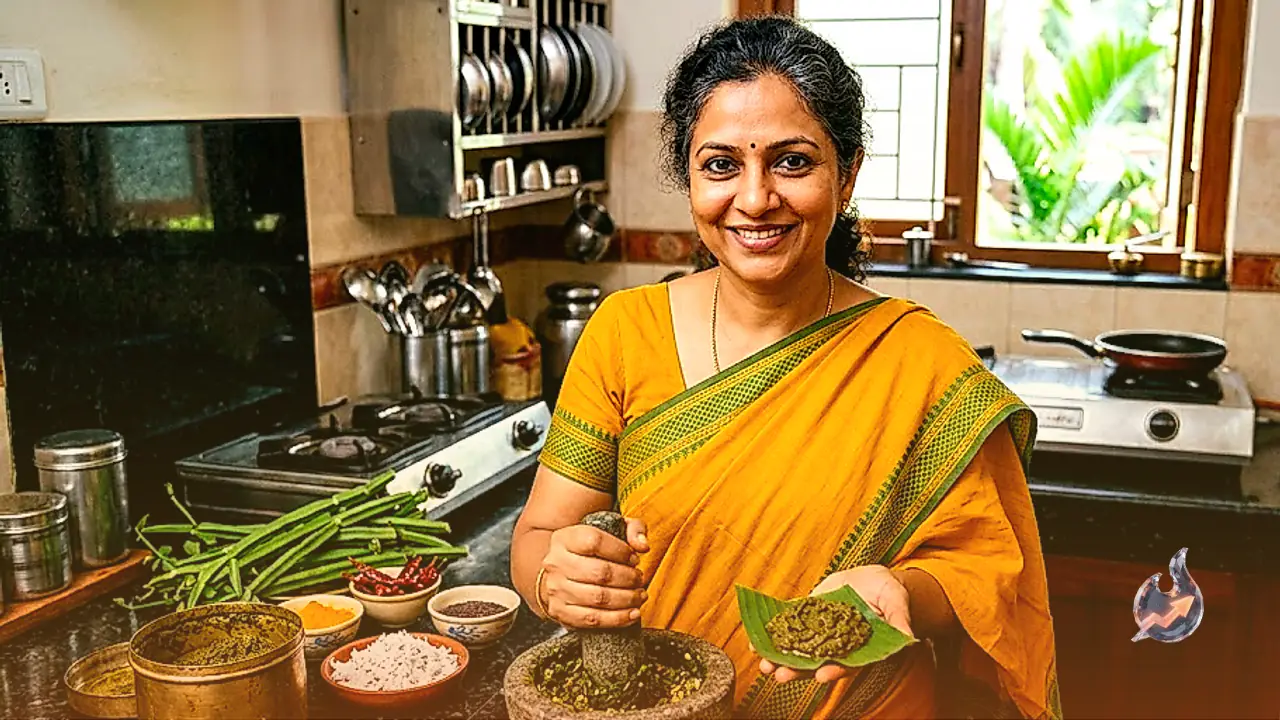
Alka Singh Karchuli, a resident of Raipur Karchuliyan in Rewa district, details that making Indrahar begins well in advance. All four lentils are thoroughly soaked in water a day earlier to soften completely. Once drained, they are ground together into a thick, uniform paste. Traditional seasonings are then folded directly into the pulse batter, including doda, black pepper, salt, asafoetida, and chaili leaves. This aromatic blend of rustic spices imparts a deep aroma and an earthy, distinct taste to the mixture.
Earthen Chulha and Steaming Over Dry Grass
According to cook Alka Singh, village homes still prepare Indrahar using traditional wood-fired earthen hearths. The steaming method itself relies on age-old indigenous ingenuity. Water is brought to a steady boil inside a large metal vessel. Once steam rises, a layer of clean dry grass is placed across the mouth or interior rack of the pot. Small round patties shaped from the lentil batter are laid gently on the bed of grass and steamed continuously for 10 to 12 minutes, allowing the steam to cook the batter thoroughly without sticking.
Serving Traditions and Modern Variations
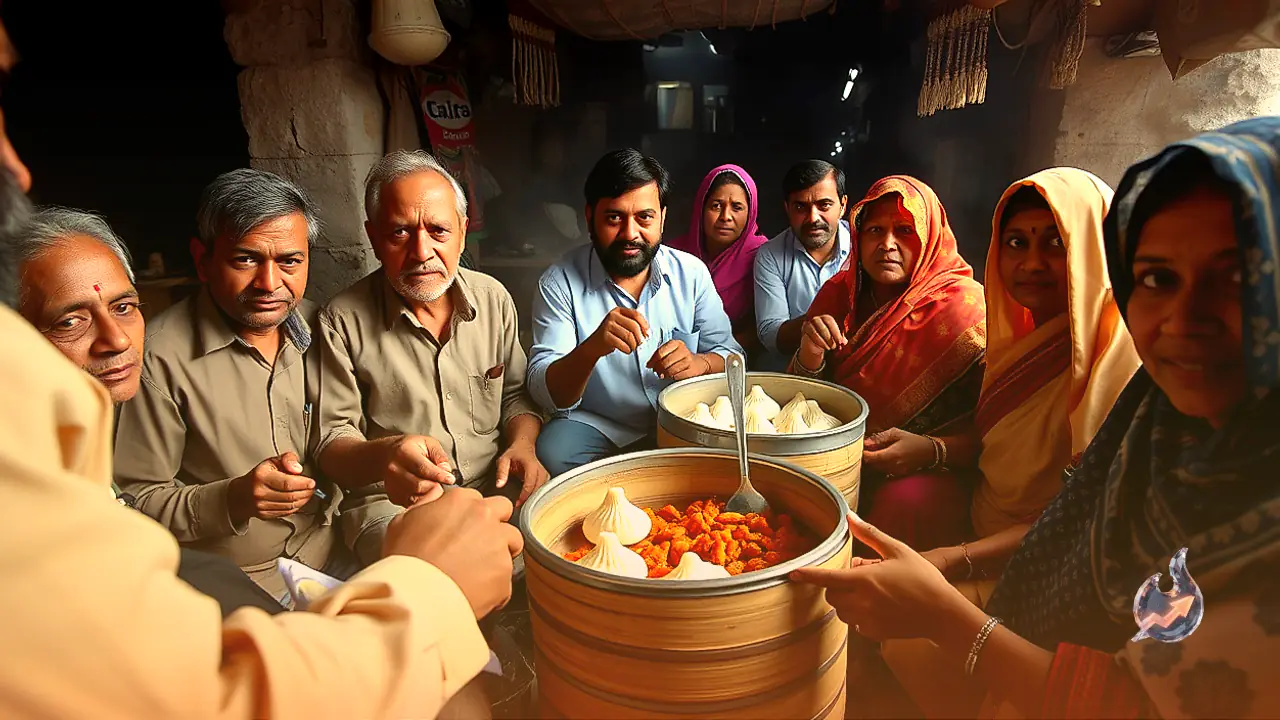
Traditionally, Indrahar is consumed purely in its steamed state without any frying, keeping it exceptionally light on the stomach. However, some households prefer to lightly shallow-fry the steamed patties in oil to achieve a crisp exterior. They are commonly served hot alongside tangy tomato chutney or spiced curd dip. Beyond eating the dumplings as a standalone snack, many regional cooks now simmer them into tangy kadhi or rich gravies to make comforting curries. For numerous rural households across Baghelkhand, Indrahar remains a regular fixture on the dining table, lovingly prepared every one to two months.