























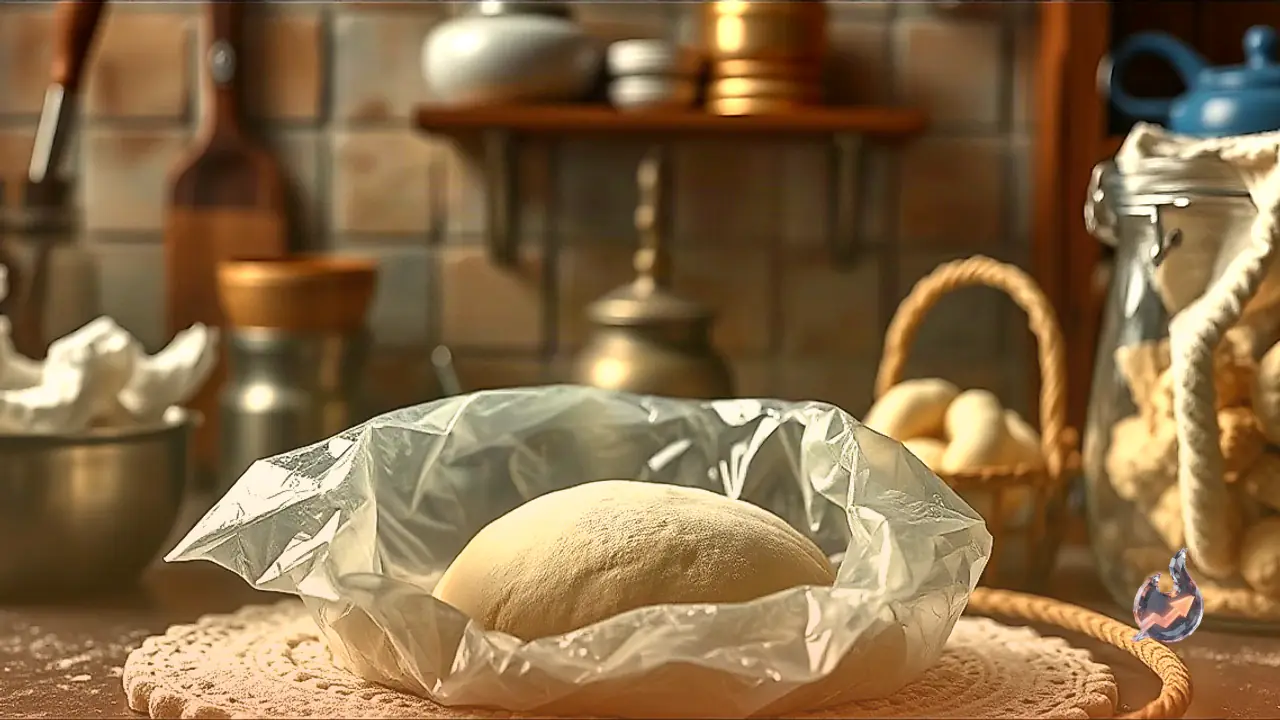

The mere thought of kneading dough often discourages many from preparing fresh rotis or parathas at home. This hesitation usually grows when the dough turns overly soft, clings stubbornly to the fingers, and leaves behind the tedious task of cleaning sinks and utensils. Fortunately, you no longer need to get your hands messy every single time you step into the kitchen. By utilizing a few common household items and clever techniques, the entire process of preparing dough can be made remarkably clean and hassle-free.
The Food-Safe Bag Kneading Method
Using a plastic bag for kneading is a remarkably convenient technique, provided you maintain proper hygiene and use the right materials. Begin by taking flour in a large vessel and gradually mixing in water using a spoon or a spatula. Pouring all the water at once should be avoided, as adding it slowly prevents the dough from becoming overly soggy and reduces the need for early manual intervention. Once the mixture starts coming together into a cohesive mass, transfer it into a clean, food-grade, or food-safe plastic bag. Press and fold the dough from the outside of the bag with your hands so that your skin never directly touches the mixture. Always ensure you avoid ordinary garbage bags or questionable plastic wrappers for food preparation, sticking strictly to certified food-safe materials.
The Sealed Container Alternative
If you prefer to avoid using plastic altogether, a large container with a secure lid offers an equally effective alternative. Simply place the flour and water inside the container, seal the lid tightly, and shake it gently for a short while. Open the lid afterward to let the dough rest for a few moments, allowing it to absorb the moisture evenly. You can then add a splash of water if needed and scrape down the edges using a spoon or a spatula. This particular method proves especially useful when you need to prepare a larger quantity of dough at one go.
Using Spoons or Spatulas for the Initial Mix
The highest level of stickiness during dough preparation invariably occurs right at the very beginning. Instead of plunging your bare hands straight into the bowl, rely on a sturdy spoon or a silicone spatula to combine the dry and wet ingredients. Once the mixture begins to hold its shape and transforms into a rough mass, you can use your hands lightly if absolutely necessary. This simple adjustment ensures that very little dough clings to your skin.
Applying a Few Drops of Oil on Hands
When preparing dough entirely without direct hand contact is not feasible, rubbing a few drops of edible oil onto your palms serves as a practical remedy. This prevents the mixture from sticking to your skin and makes post-work cleanup considerably easier. However, keep the quantity minimal, as excessive oil can alter the texture of the dough.
Avoiding Common Water Mistakes
A frequent error that ruins an entire batch of dough is pouring in too much water right at the start. When the mixture turns sticky, people often panic and keep adding dry flour on top, which ultimately results in hard rotis. The best approach is to add water in small increments, let the dough rest for a few minutes, and then decide on the next step based on its actual moisture level.