























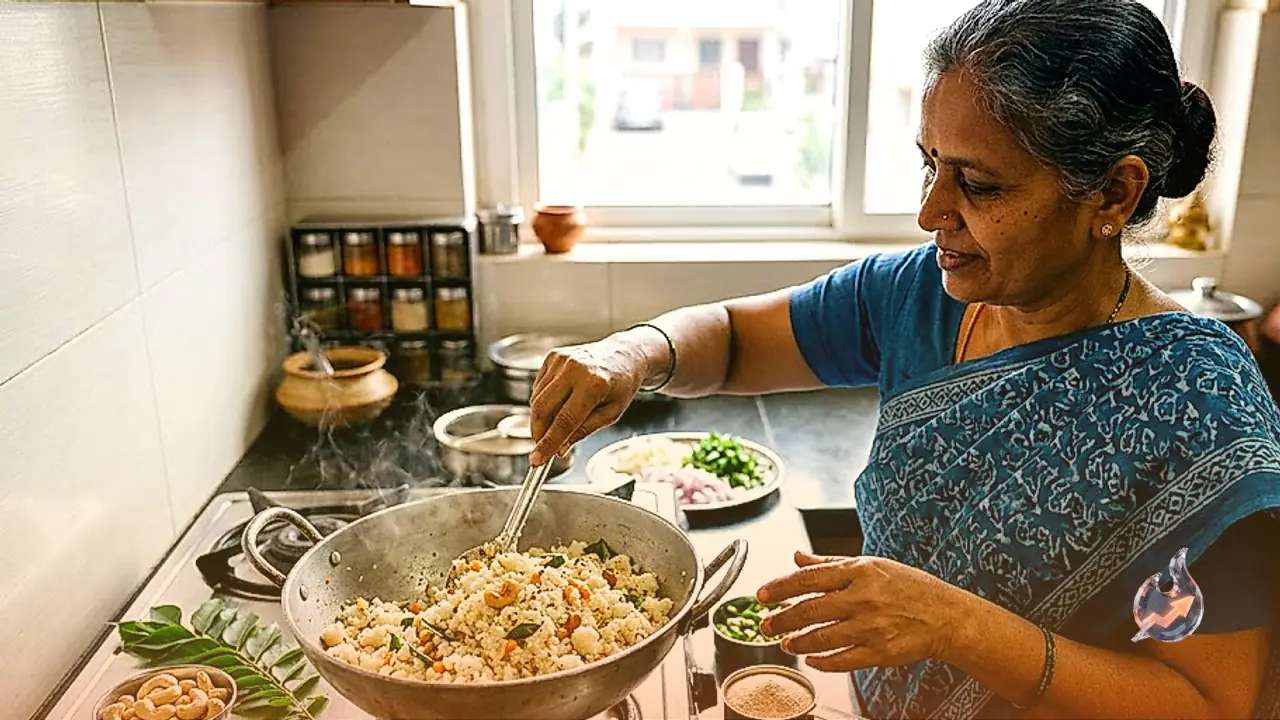

Morning routines in most households are often marked by a frantic search for quick yet nutritious breakfast ideas. Amidst the rush, semolina upma, popularly known as rava upma, emerges as one of the fastest and most convenient culinary choices. However, transforming simple semolina into a perfectly fluffy, restaurant-style dish is a skill that many struggle to master. It is incredibly common to end up with a sticky paste, an uneven texture, or a pan full of stubborn, dry lumps. Fortunately, achieving that coveted, melt-in-the-mouth consistency is not a matter of luck but of culinary science. By understanding the precise proportions of water, the correct roasting techniques, and the timing of each ingredient, anyone can prepare a stellar breakfast in just ten minutes.
The Essential Ingredients for Perfect Texture
To begin this foolproof recipe, gathering the right ingredients in their exact proportions is critical. The texture of your final dish depends heavily on the quality of semolina you select.
- Semolina (Rava): Use 1 cup of fine semolina. For the absolute best and most granular texture, choosing Bombay rava is highly recommended.
- Water: You will need 2 to 2.5 cups of hot, boiled water. The volume determines the final softness; 2 cups will yield a firmer, more distinct grain, while 2.5 cups will result in a beautifully soft and moist upma.
- Cooking Fat: 2 tablespoons of ghee or oil. Ghee is strongly preferred here as it imparts a rich, traditional aroma and prevents the grains from sticking together.
- Tempering Elements: 1 teaspoon of split black gram (urad dal) and 1.5 teaspoons of split chickpeas (chana dal) to provide an essential crunchy texture.
- Nuts: 8 to 12 cashew pieces (or raw peanuts) for a rich, nutty bite.
- Aromatics and Vegetables: 1 small onion finely chopped, 1 to 2 finely diced green chillies, and a pinch of asafoetida (hing). For added nutrition and color, you can optionally include a small handful of green peas or finely chopped carrots.
- Seasoning and Garnish: Salt to taste, half a teaspoon of sugar to balance the savory and spicy elements, the juice of half a lemon, and freshly chopped coriander leaves.
Step-by-Step Cooking Guide
Following these steps in sequence ensures that the starch in the semolina behaves correctly, preventing any stickiness.
Step 1: The Art of Dry-Roasting
Place a heavy-bottomed pan over medium heat and add 1 cup of semolina. Dry-roast the semolina without adding any oil or ghee for about 4 to 5 minutes. It is crucial to stir continuously to prevent the grains at the bottom from burning. Roast until you notice a gentle, nutty fragrance and the color shifts to a very light golden hue. This step is the single most important factor in keeping the grains separate; dry-roasting dries out the moisture in the starch, preventing it from turning gummy when wet. Transfer the roasted semolina to a plate and set it aside.
Step 2: Preparing the Tempering
In the same pan, heat 2 tablespoons of ghee or oil over low to medium heat. Add the mustard seeds and cumin seeds, allowing them to splutter. Immediately add the urad dal, chana dal, and the cashew pieces. Sauté these ingredients gently on low heat. Watch them closely until the lentils turn a beautiful golden brown and the cashews become crispy. This slow tempering releases the natural oils of the spices and creates a delightful crunch.
Step 3: Sautéing the Aromatics and Vegetables
Next, introduce a pinch of asafoetida, the chopped green chillies, grated ginger, fresh curry leaves, and the finely chopped onion into the pan. Stir-fry the mixture for about 2 minutes until the onions lose their raw edge and become translucent. If you are choosing to include optional vegetables like peas or carrots, stir them in at this stage. Sautéing them briefly allows them to cook partially in the fat before water is introduced.
Step 4: The Golden Water Ratio
Pour 2 to 2.5 cups of boiling hot water directly into the pan. Maintaining a strict ratio of semolina to water is paramount. Add the salt to taste along with half a teaspoon of sugar, which acts as a flavor enhancer. Let the water come to a rolling boil. Utilizing boiling water rather than cold water maintains the temperature of the pan, allowing the semolina to absorb moisture evenly without dropping the cooking temperature, which is a major cause of lump formation.
Step 5: Incorporating Semolina and Steaming
Reduce the burner heat to its absolute lowest setting. This is where precision matters: slowly pour the roasted semolina into the boiling water with one hand while simultaneously stirring the water in a rapid, continuous motion with a spatula in your other hand. This dual action prevents the semolina from clumping together. Within 1 to 2 minutes, the semolina will rapidly absorb the water, causing the mixture to thicken. Turn off the heat completely, cover the pan with a tight-fitting lid, and let it rest undisturbed for 3 to 5 minutes. This steaming period allows the residual heat to swell each grain to its maximum potential, separating them perfectly.
To finish, remove the lid and gently drizzle the freshly squeezed lemon juice, a tiny splash of extra ghee for gloss, and the chopped coriander. Fluff the upma gently with a fork from the edges. Your piping hot, velvety, and beautifully granular rava upma is ready to serve.


