
























With the onset of winter across Madhya Pradesh, households have begun putting together seasonal preserves, with Indian gooseberry pickle taking center stage. In Chhatarpur district, 60-year-old Sharda has preserved an age-old culinary practice, making gooseberry pickle using an authentic country technique passed down through generations. The defining characteristic of her preparation is its remarkable shelf life, staying completely fresh and edible for up to two years without spoiling. Her method highlights traditional food preservation knowledge that anyone can practice at home.
A Heritage Recipe Practiced Since Childhood
Sharda learned this craft early in life, having started preparing gooseberry pickle at the age of 10. The technique was passed on to her by her mother, and she continues to strictly honor those original methods without commercial additives or modern shortcuts. During the colder months, dietary preference for gooseberry pickle peaks across households, making winter the primary season for laying down large batches of this preserve.
Raw Versus Boiled Gooseberries For Longevity
The preparation follows two distinct approaches based entirely on how long the preserve needs to last. When making a quick batch intended for immediate consumption within a week, the gooseberries can be boiled first before slicing and mixing. However, for a batch designed to survive months or even years, only raw gooseberries must be used. In the long-lasting process, fresh fruit is thoroughly washed and chopped into wedges using a traditional cutter known locally as an amkatna. These slices are then dried under the open sun, an essential step that eliminates residual moisture along with the natural bitterness of the fruit.
Precise Ingredient Proportions And Spice Blend
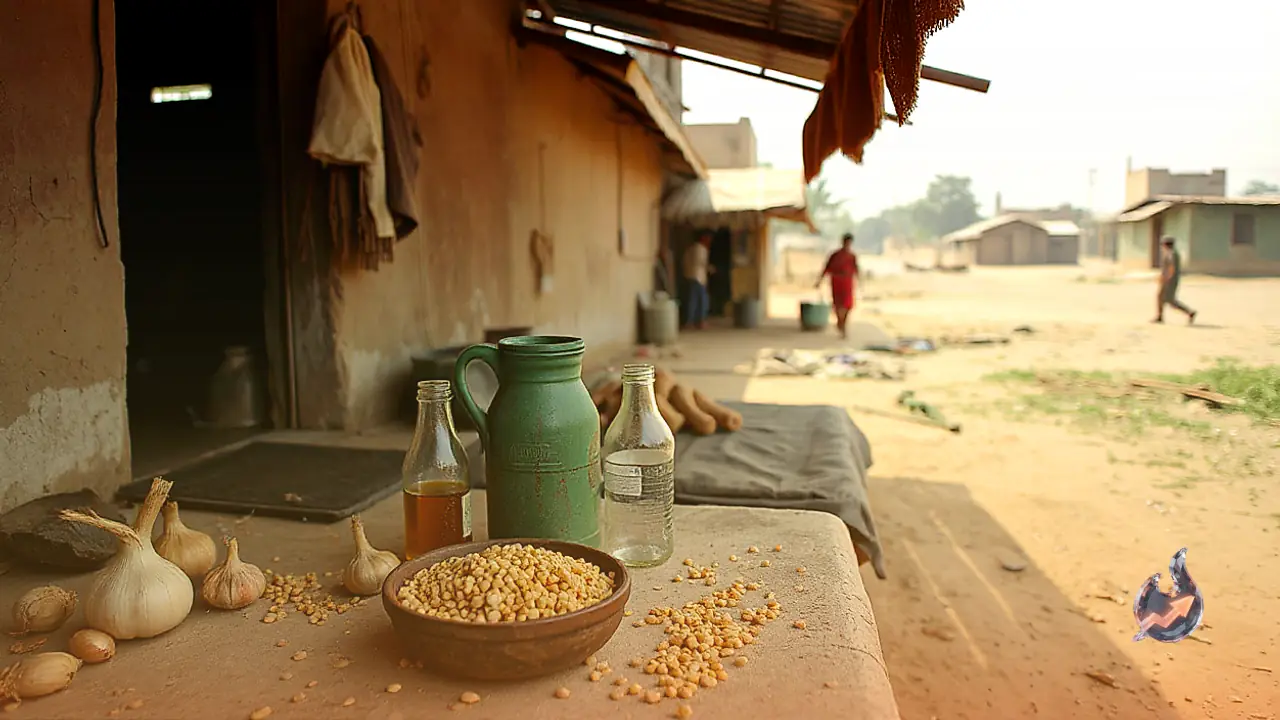
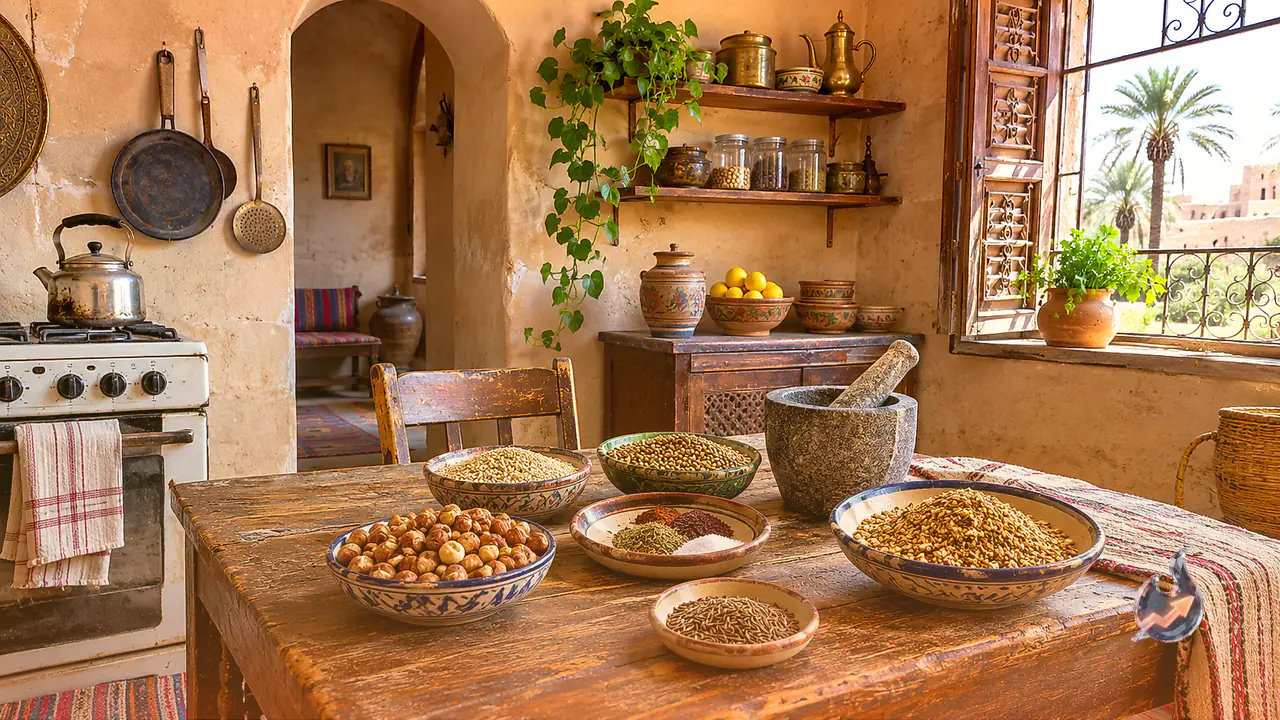
Crafting a batch with one kilogram of gooseberries requires a strictly measured spice blend. The recipe calls for 250 grams of mustard oil, 50 grams of mustard seeds, 10 grams of fenugreek seeds, 5 grams of red chili powder, 2 grams of turmeric powder, 1 gram of dry mango powder, and salt adjusted to taste. To prepare the dry seasoning mix, fenugreek seeds, mustard seeds, turmeric, salt, and red chili powder are ground together into a fine blend. For every one kilogram of prepared gooseberries, roughly 350 grams of this combined spice powder should be incorporated.
Proper Blending And The Value Of Earthen Jars
Once the sun-dried slices are ready, the ground spice mix is thoroughly tossed with the fruit until every piece is evenly coated. Mustard oil is then poured over the mixture, followed by a thorough secondary mixing to seal the slices in oil and spices. The storage vessel plays a crucial role in preventing decay over time. Storing the preserve inside traditional earthen pottery ensures optimal conditions, preventing the mixture from going bad over multiple years. Additionally, maintaining generous levels of salt and mustard oil serves as a natural barrier against spoilage.