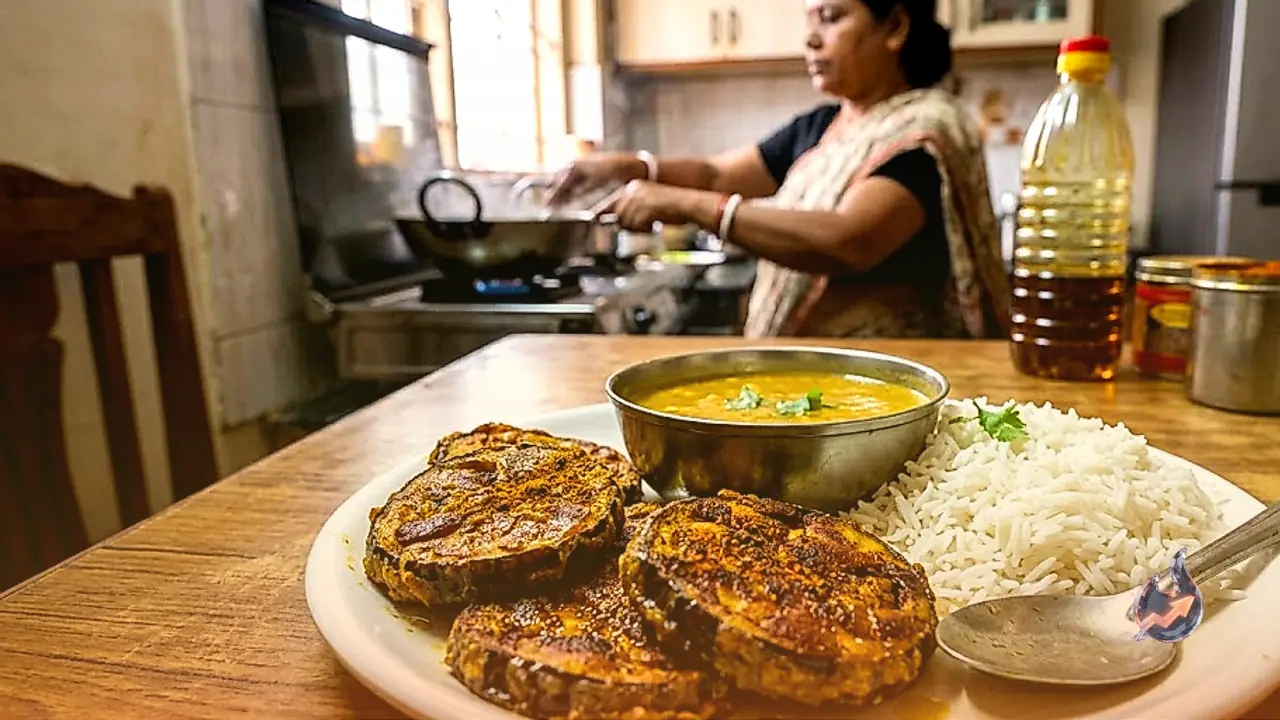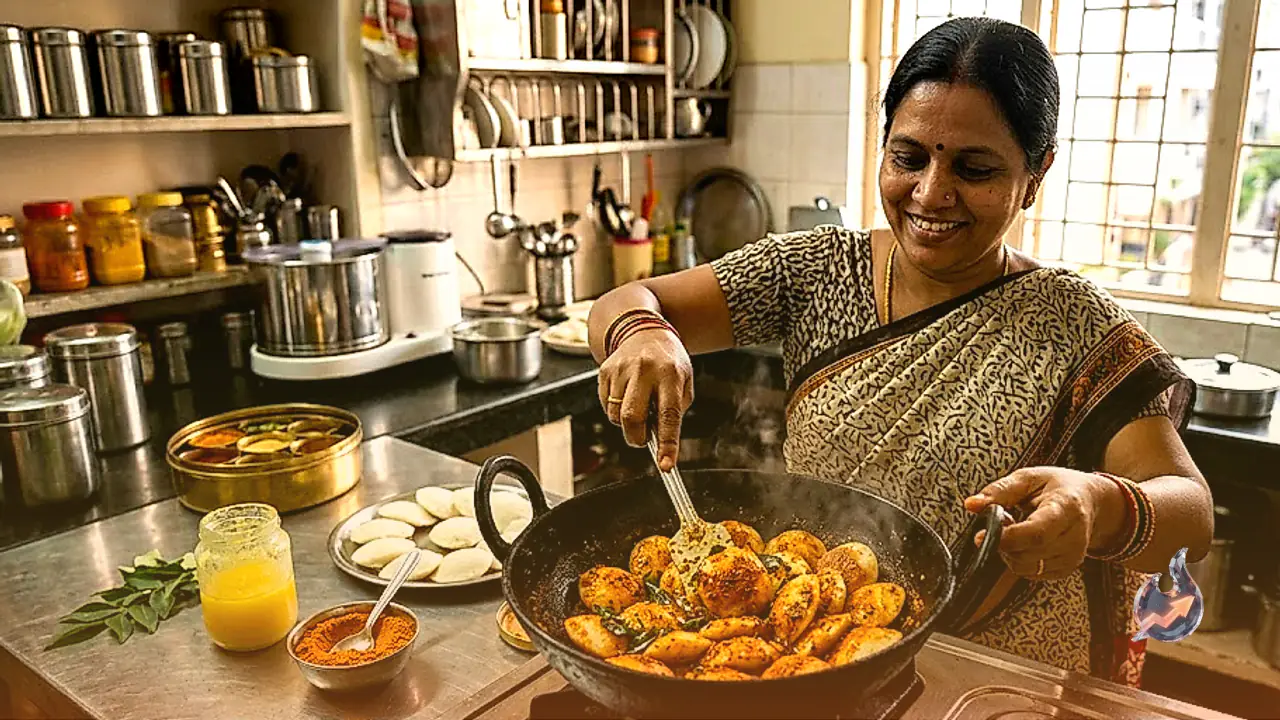

























Running out of fresh vegetables in the middle of a hectic week is an everyday household dilemma that often leaves home cooks wondering what to prepare for lunch or dinner. When stepping out to the market is simply not an option due to tight schedules, crafting a wholesome, satisfying, and delicious meal out of standard pantry staples can feel like a genuine challenge. Fortunately, the presence of gram flour, curd, and a handful of basic spices is all that is required to resolve this culinary crisis. With these simple ingredients, anyone can assemble a rich, aromatic, and comforting bowl of traditional besan kadhi without any complicated preparations.
A Traditional Household Classic Built on Pantry Essentials
Traditional Indian cooking is renowned for producing extraordinary culinary depth from a very minimal set of ingredients. Kadhi prepared from a base of gram flour and yogurt perfectly exemplifies this resourceful approach to dining. Enjoyed across vast regions of North India, this classic preparation is a regular fixture in home kitchens. When dished out alongside steaming hot basmati rice or fresh chapatis, it elevates an otherwise plain spread into an utterly comforting meal. Its widespread appeal stems not only from its accessibility but also from the harmonious balance of tanginess and savory spices that appeals across generations.
Mastering the Batter: The Secret Behind a Silky Texture
The true foundation of a top-tier kadhi lies in how carefully the yogurt and gram flour base is combined before hitting the stove. Any lumps left behind in the mixture will compromise the smooth mouthfeel and leave hard bits of flour in the finished dish. To prepare the base correctly, transfer fresh or mildly sour curd into a spacious mixing bowl and whisk it vigorously until it becomes completely smooth and lump-free. Once the curd achieves a uniform consistency, incorporate the gram flour and gradually pour in water while stirring continuously. It is imperative to ensure that the gram flour dissolves completely without leaving any stubborn clusters, as unmixed flour impairs both the cooking process and the overall palate experience.
Frying Crisp and Tender Gram Flour Dumplings
Adding fried fritters transforms standard kadhi into a hearty, multi-textured delight. To mix the dumpling batter, place a portion of gram flour in a separate bowl and mix in finely chopped onions, minced green chillies, fresh coriander leaves, salt to taste, red chilli powder, and a pinch of carom seeds for fragrance and digestion. Slowly add water to achieve a batter consistency that is neither overly runny nor excessively dense. Heat cooking oil in a deep frying pan over the stove, and once the oil reaches an optimal frying heat, drop in small spoonfuls of the batter. Fry these fritters over medium heat until they turn evenly crisp and golden brown. Frying over high heat should be strictly avoided, as it causes the outer crust to darken rapidly while leaving the dense interior raw and unpleasantly doughy.
Simmering the Base to Eliminate Raw Aromas
To begin cooking the gravy, warm a small measure of oil or clarified butter in a deep, heavy-bottomed pot. Crackle cumin seeds and mustard seeds in the hot fat, followed by a pinch of asafoetida, sliced green chillies, and finely grated ginger to build the aromatic profile. A sprig of fresh curry leaves can also be tossed in for enhanced fragrance. Next, slowly pour the previously whisked curd and gram flour liquid into the pan. A crucial rule during this phase is to stir the liquid continuously from the moment it enters the hot vessel. Continuous stirring prevents the yogurt from curdling under sudden heat and stops the gram flour from sticking to the bottom. Add extra water according to desired thickness and allow the mixture to simmer steadily over moderate heat.
Infusing Flavors and the Final Aromatic Tempering
Adequate simmering time is perhaps the most decisive element in achieving authentic taste, as it eliminates the lingering raw scent of uncooked gram flour while blending the flavors together seamlessly. As the gravy bubbles, its color warms and its consistency thickens into a glossy sauce. Once the raw flour notes have completely dissipated and the base is thoroughly cooked, introduce the fried pakodas into the simmering pot. Let them cook together for several additional minutes, allowing the porous dumplings to absorb the spiced, tangy gravy into their cores. Finally, the dish is finished with a fresh aromatic tempering prepared in a small pan with hot ghee or oil, sizzled cumin, mustard seeds, whole dried red chillies, and asafoetida poured directly over the top. As Himanshi Tiwari pointed out, the beauty of kadhi lies in its versatility, as it can be customized easily to suit individual household preferences, whether family members prefer a intensely tart profile or a gentler flavor.