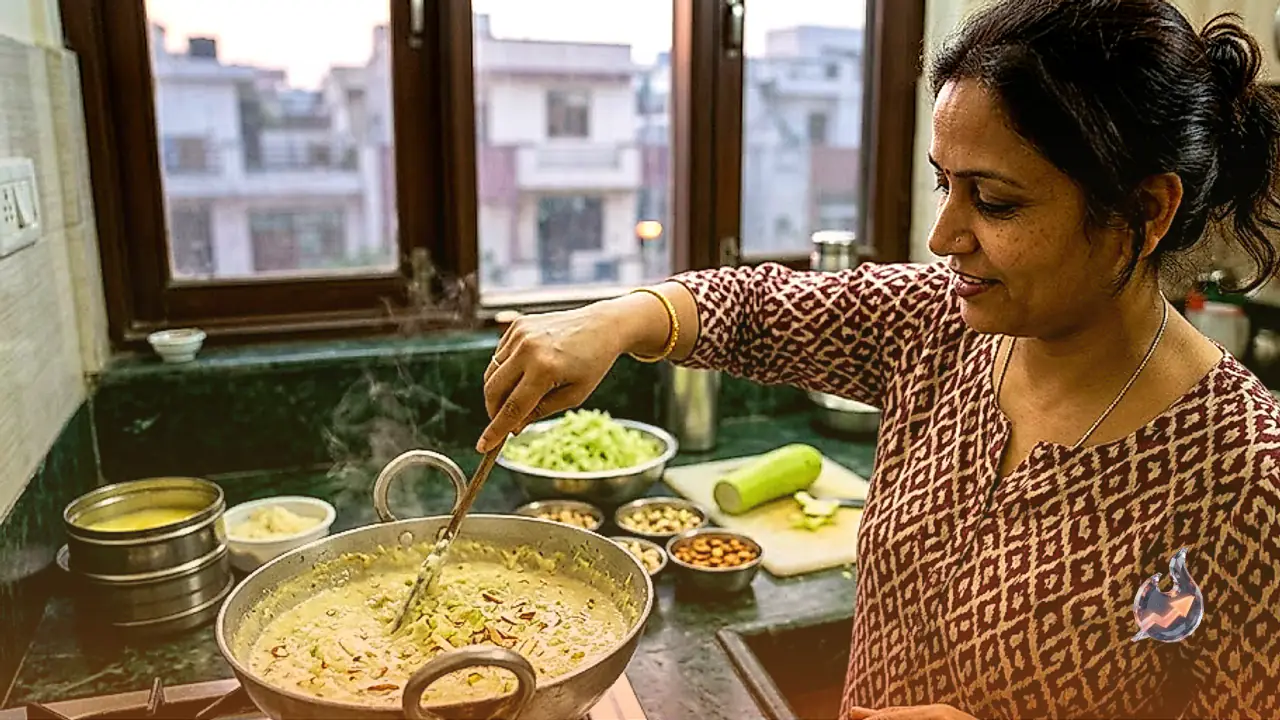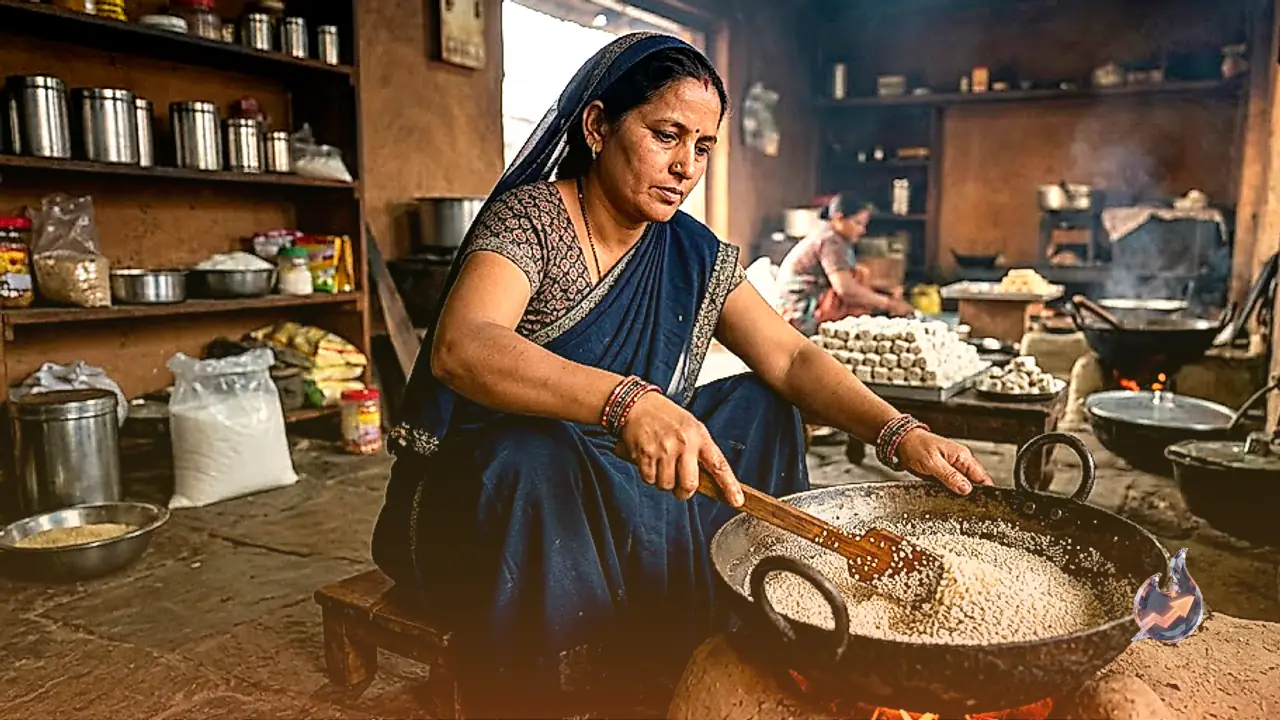























In many households, buttermilk is not merely used for traditional curries or raita, but is also prepared as a spiced and fried dish that tastes incredible. However, home cooks frequently encounter a frustrating issue where the buttermilk splits the moment it hits a hot pan. While the flavor might remain acceptable, the visual texture becomes grainy and unappealing. This can be particularly awkward when serving guests, but controlling the process properly prevents the dish from spoiling.
Understanding Temperature and Acidity Factors
Buttermilk naturally contains dairy proteins and acidity. When introduced directly to extremely hot oil or spices, the sudden temperature shock causes the proteins to separate. This is precisely why the liquid curdles and takes on a broken appearance. Furthermore, extremely sour buttermilk tends to separate much faster, meaning that both the cooking heat and the freshness of the dairy play a crucial role in the outcome.
Managing Temperature During Tempering
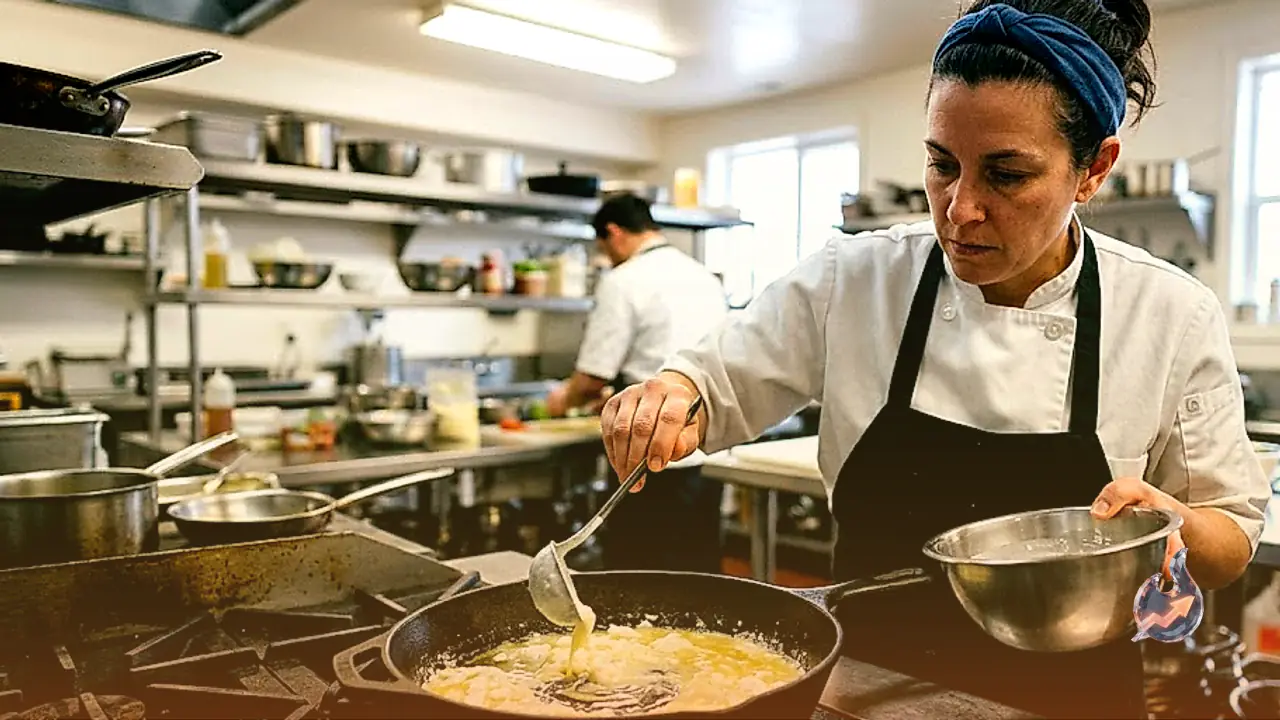
A very common mistake made while preparing fried buttermilk is pouring the entire quantity into the hot pan over high heat right after the tempering is ready. This abrupt shift in temperature triggers the curdling effect instantly. Instead, prepare the tempering using cumin, mustard seeds, asafoetida, and curry leaves, then lower the flame and let the pan cool down slightly. Pour the buttermilk in a slow, steady stream while stirring continuously to balance the thermal difference.
Whisking Thoroughly Before Cooking
Rather than giving the buttermilk a quick casual stir, whipping it thoroughly before cooking makes a significant difference. This creates a uniform consistency and prevents settled milk solids from encountering intense heat all at once. If the liquid is too thick, adding a splash of water and whisking helps achieve the right texture. Tasting the mixture beforehand also allows you to adjust excessive sourness by adding a little water if needed.
Using Gram Flour for a Smooth Texture
If you prefer a completely smooth and stable texture for your fried buttermilk, incorporating a small amount of gram flour works wonderfully. Whisk about half to one teaspoon of gram flour into a bowl of buttermilk, ensuring there are no lumps remaining. After the tempering is done, pour this mixture over a low flame while stirring constantly. Cooking it for a short while thickens the consistency slightly and improves the overall appearance.
Simple Ways to Enhance the Flavor
To elevate the taste of your prepared dish, consider adding roasted cumin powder, a pinch of red chili powder, and freshly chopped coriander leaves alongside salt. If you enjoy spicy food, incorporating whole dried red chilies and fresh green chilies into the tempering adds an extra kick. Following these simple steps ensures a delicious, perfectly textured fried buttermilk every single time.