























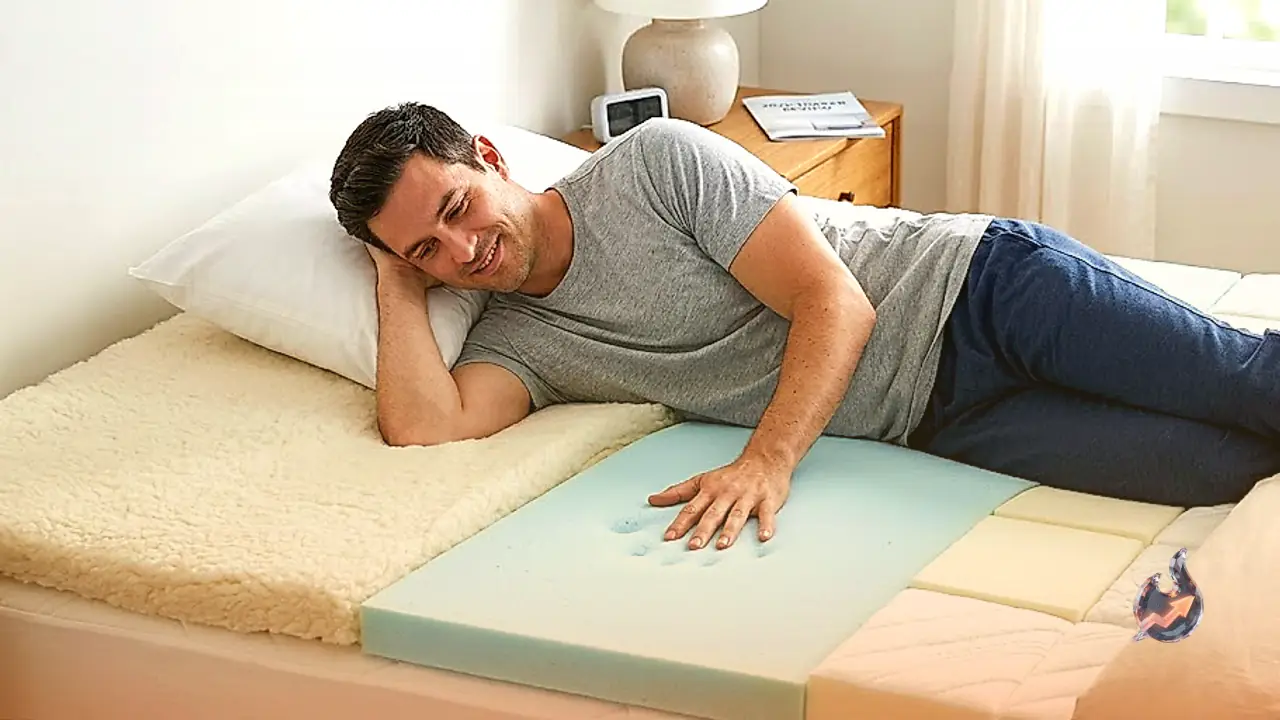

When your mattress feels too firm or too soft, replacing the entire bed isn't always necessary. A quality mattress topper can completely transform your sleeping surface by alleviating aches, providing plush memory foam comfort, or even packing supportive coils just like a full mattress. Whether you struggle with back pain, sleep hot, or simply want to upgrade an older mattress, exploring options from soft wool layers to advanced hybrid designs can help you find the ideal match.
Recent additions to the market include the Layla Memory Foam Mattress Topper and the Nectar Firmer Mattress Topper, both designed to address specific sleep complaints like overheating or lack of structural support. Prices and sizes vary widely to accommodate everything from twin beds to California king setups.
Memory Foam and Hybrid Performance
Some premium toppers feature up to 4 inches of memory foam, delivering an ultra-plush, sinking sensation that cradles the body. While this deep contouring offers exceptional pressure relief, it can occasionally require a bit more effort to change sleeping positions. To combat traditional memory foam drawbacks like heat retention and excessive sinkage, manufacturers increasingly incorporate microscopic air capsules and cooling gel microbeads.
Hybrid options take things a step further by combining supportive micro-coils with responsive foam layers. Testing shows that certain cooling models outperform standard mattresses in regulating body temperature, keeping sleepers dry and comfortable even during warm summer nights. Heavier memory foam options also provide robust lumbar support on par with high-end mattress lines.
Firm and Cooling Solutions
If your bed lacks proper support and leaves you waking up with a sore back, a firmer cooling mattress topper can act as an immediate remedy. Options featuring open-weave designs and integrated cooling yarns allow air to circulate freely while dense gel memory foam hugs pressure points. This breathable construction maintains structural integrity, preventing sagging on older or overly soft mattresses without sacrificing comfort.
Prices for these supportive gel and foam variations generally span from competitive entry-level rates to higher tiers for larger bed sizes, often backed by generous sleep trial periods from manufacturers.
Understanding Mattress Topper Materials
Choosing the right topper depends largely on the core material used in its construction
- Wool: Filled with natural wool batting and wrapped in cotton, wool toppers offer a gentle, breathable surface that regulates temperature exceptionally well for hot sleepers.
- Pillow Top: Designed to mimic the fluffy feel of a premium pillow, these layers often incorporate soft down or foam combinations to create a cloud-like sleeping surface.
- Latex: Derived from rubber tree sap, latex provides natural bounce and springiness with significantly less heat retention and sinkage than traditional memory foam.
- Memory Foam: Made from viscoelastic polyurethane foam, memory foam conforms closely to body contours and remembers its original shape, though it tends to retain more heat unless infused with cooling gel or graphite.
- Serene Foam: A proprietary foam variety featuring microscopic air capsules designed to maintain plush pressure relief while minimizing heat buildup.
- Hybrid: Combining coils and foam or foam and soft fibers, hybrid options are ideal for sleepers who want both contouring comfort and structured support.
Height Options and Protective Covers
Mattress toppers are typically available in heights of 2, 3, or 4 inches. While thickness does not automatically dictate quality, thicker profiles generally offer a softer, deeper sink. Additionally, shoppers should note the difference between mattress toppers—which change the feel of the bed—and mattress protectors, which are thin, water-resistant covers designed to shield the mattress from spills and stains.