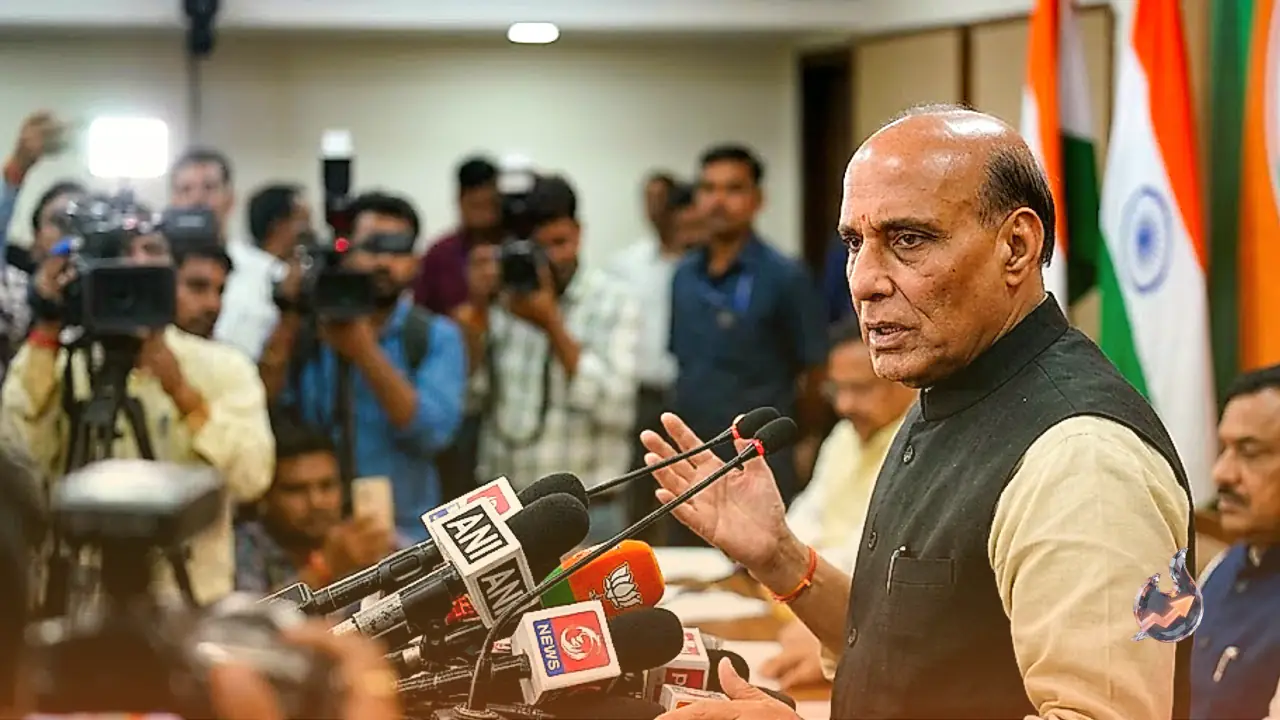
















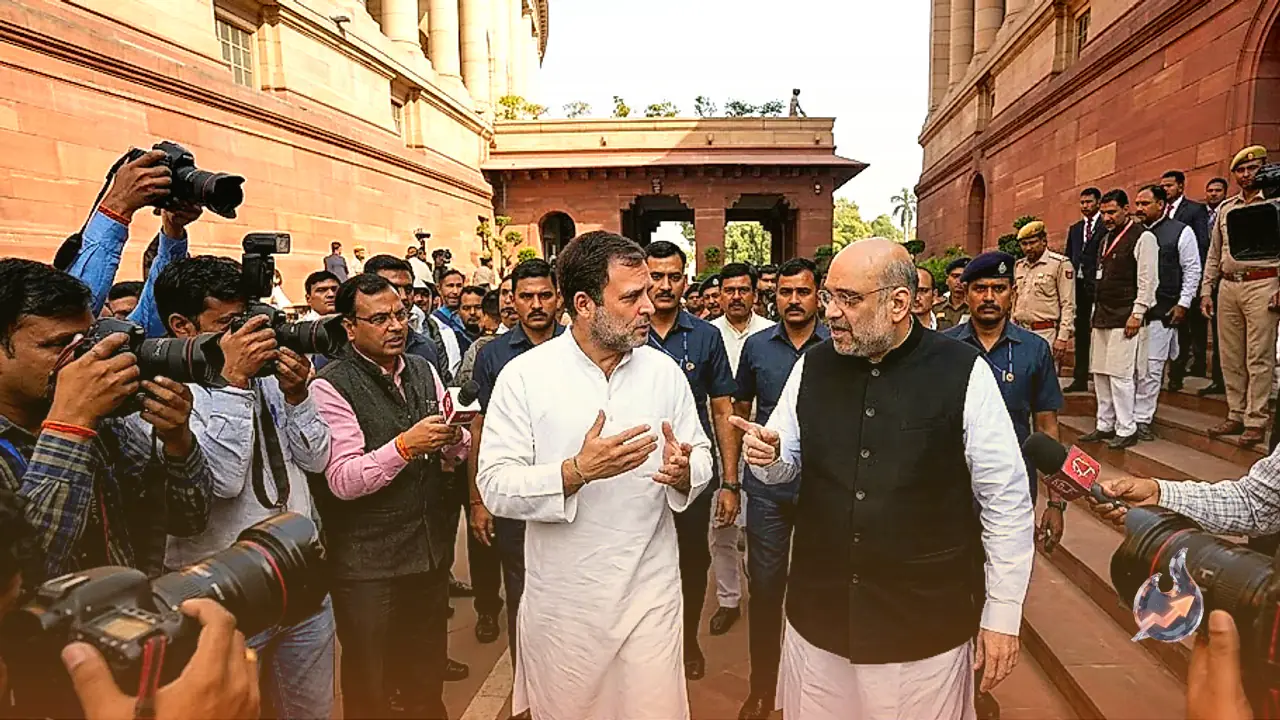

The ongoing session of Parliament has remained paralyzed for 20 consecutive days due to persistent disruptions, sloganeering, and walkouts by opposition parties. As opposition alliances sought to corner the government over student demonstrations at Jantar Mantar and related issues, Home Minister Amit Shah delivered a direct challenge on the floor of the House, offering an immediate and structured debate. However, Congress leader Rahul Gandhi and other opposition representatives rejected the proposed format, insisting on rigid conditions for how the discussion should take place.
Amit Shah's Proposed Debate Timeline and Parliamentary Procedure
Responding to allegations from opposition benches, Home Minister Amit Shah outlined a concrete framework to initiate formal discussions. Shah suggested that opposition parties submit a written request to the Lok Sabha Speaker by 2:00 PM, enabling a comprehensive debate to begin at 3:00 PM. He promised to personally attend the entire session, listen to every speaker from the opposition, and deliver a detailed response the following day. Despite this formal assurance, opposition members refrained from submitting any written notice to the Speaker.
Opposition Conditions and the Debate Over House Rules
Rather than agreeing to the structured parliamentary process, Rahul Gandhi challenged Amit Shah's authority to dictate the agenda or timing of the House. Asserting that he had no interest in listening to ministerial speeches, Gandhi demanded that Shah enter the floor strictly on opposition terms and answer only specified queries without exceeding those boundaries. Government representatives responded that parliamentary procedure requires formal on-record questioning rather than media statements, emphasizing that ministers cannot be bound by arbitrary individual terms.
Intervention by Kiren Rijiju and Official Request to the Speaker
When Lok Sabha proceedings resumed at 3:00 PM, opposition members renewed their protests, preventing normal business. Parliamentary Affairs Minister Kiren Rijiju appealed directly to the floor, urging opposition leaders to halt the commotion immediately so that the government could commence the debate. Simultaneously, Home Minister Amit Shah dispatched an official letter to the Lok Sabha Speaker requesting an open debate. The letter highlighted that although the opposition had not presented substantive views on anti-paper leak legislation, the government remained fully prepared to engage in discussions for as long as the Chair deemed fit.
Protests in Jharkhand and the Broader Political Dynamics
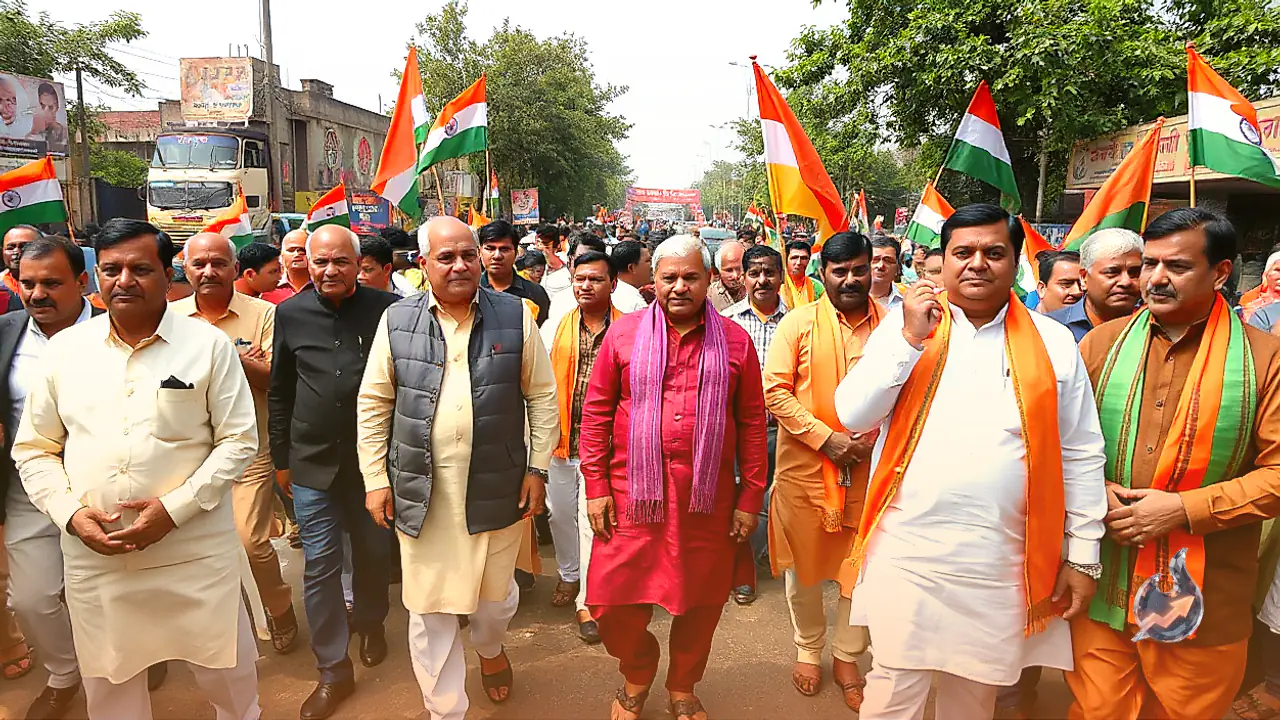
The parliamentary stalemate coincides with sustained student protests in Jharkhand, creating additional pressure on opposition narratives. While Rahul Gandhi has repeatedly asserted over the past 12 years, referencing political stances dating back to 2014 and 2016, that the public standing of PM Narendra Modi and Home Minister Amit Shah is diminishing, ongoing developments have instead scrutinized the opposition's own positioning among young voters. Furthermore, the introduction of a new bill regulating foreign funding in Parliament has injected a fresh dimension into the political confrontation.