























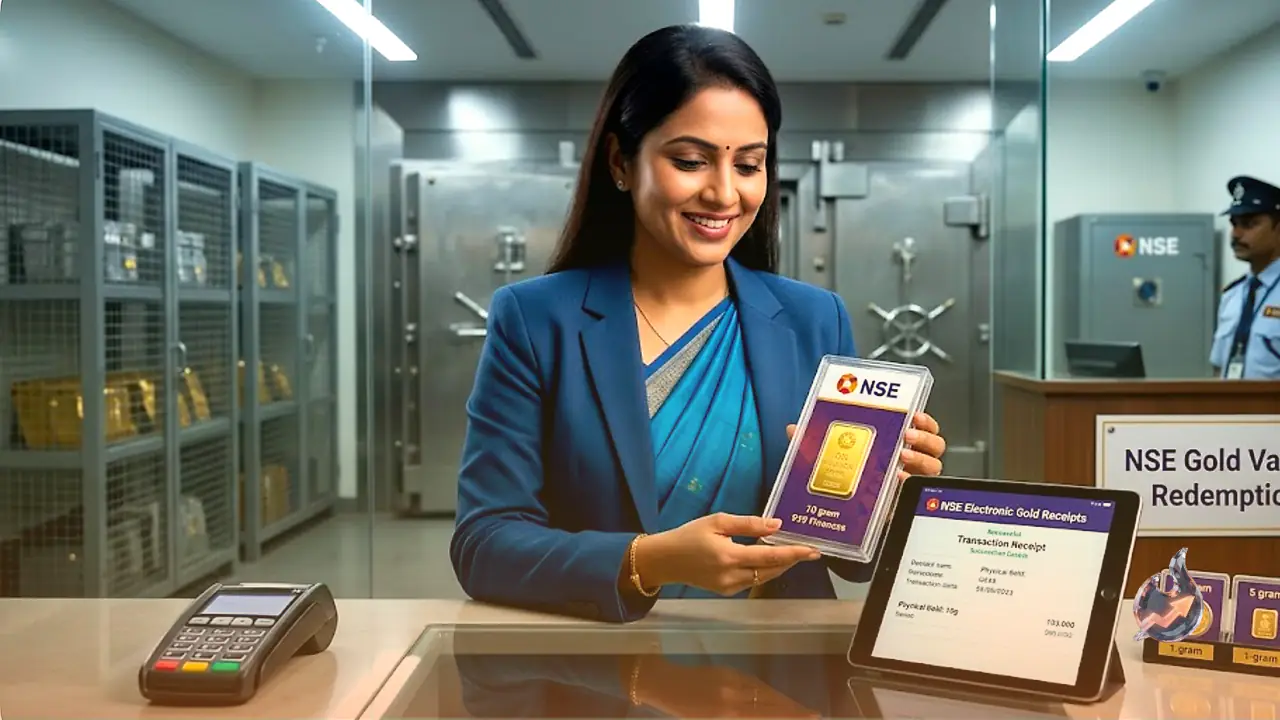

Gold investment in India has entered a new era with NSE's Electronic Gold Receipts, or EGR, a financial instrument that blends the timeless value of gold with the convenience of digital trading. Launched by NSE in May, EGRs are exchange-traded securities directly backed by standardized physical gold, offering investors transparent price discovery, electronic ownership, and the flexibility to buy and sell across a range of denominations and purity grades. The standout feature is the ability to convert your digital holdings into physical gold at any time.
What Are Electronic Gold Receipts?
EGR is an exchange-traded security on NSE, linked directly to standardized gold. It lets investors hold gold in a demat account, trade it during exchange hours, and redeem it as physical gold through a defined process. According to NSE, the combination of standardization, accessibility, and a regulated ecosystem makes EGR well-positioned to become a key channel for gold participation in India in the years ahead.
Key Benefits of EGR
- Unified Pricing: One nation, one price for gold across India
- Easily tradable on the exchange
- More convenient than holding physical gold
- Provides liquidity and assured gold quality
- Fungibility of gold delivery
- Settlement guarantee for investors
- Helps diversify your investment portfolio
- Held in a demat account just like stocks
- Flexible trading in various gold denominations
Regulation, Trading Hours, and Settlement
EGRs are regulated by market watchdog SEBI and traded on NSE. Trading runs Monday through Friday from 9:00 AM to 11:30 PM, with overall closing at 11:55 PM after settlement. The settlement cycle is T+1, which means EGRs purchased today are credited to the buyer's demat account on the next working day. Sellers receive their funds the following working day as well.
Available Purities and Denominations
EGRs are available in two purity grades, 999 and 995, giving investors the assurance of quality. Within each purity, the following denominations are available for trading:
- GLD1KG99 and GLD1KG95: 1 kilogram gold
- GOLD100G99 and GOLD100G95: 100 grams gold
- GOLD10G99 and GOLD10G95: 10 grams gold
- GOLD1G99 and GOLD1G95: 1 gram gold
- GLD100MG99 and GLD100MG95: 100 milligrams gold
Charges and Costs Involved
Investing in EGR involves several layers of charges. Purchasing through a stockbroker attracts brokerage fees. Holding EGRs in your portfolio incurs depository charges. Vault managers levy separate storage charges. When you choose to convert EGRs into physical gold jewelry, purity testing and transportation charges apply on top of these.
How to Convert EGR to Physical Gold
According to Zerodha's explainer, converting EGR into physical gold is a three-step process:
Step 1: Submit a Withdrawal Request
At any point, you can begin the conversion by placing a withdrawal request through your depository. The request remains valid for 3 days. Your depository forwards it to the vault manager, who arranges the delivery of gold. Once the gold reaches you, your EGRs are extinguished.
Step 2: Optional Purity Testing at the Vault
Before taking delivery, you can request purity testing at the vault before the gold leaves the premises. All costs for purity testing, transportation, and any related charges are borne by you, and the vault manager discloses these upfront before any work begins.
Step 3: Arrange Your Own Transportation
You are free to organize transportation from the vault to your preferred location. Vault managers may also publish a list of logistics service providers on their websites for your convenience.
EGRs ultimately bring together transparent pricing, secure regulated holding, and the ability to start investing in gold with as little as 100 milligrams, making them a genuinely modern and accessible option for Indian investors.