






















With the arrival of the monsoon season, the elevated levels of humidity bring along a significant rise in health hazards. Paying close attention to daily diet and food safety becomes essential during this period, as minor oversights in hygiene can lead to severe stomach infections and waterborne illnesses. Senior dietitian Dr. Jyoti Singh from the Divisional Hospital in Mirzapur highlights that consuming leafy green vegetables during the rainy months can prove detrimental to health. Making informed dietary adjustments and avoiding specific ground-growing produce can substantially reduce the risk of contamination and illness.
Why Leafy Greens Present a Higher Risk of Infection in Monsoon
During the rainy season, it is strongly advised to refrain from eating leafy vegetables such as cabbage, spinach, and amaranth greens (chaulai). According to dietitian Dr. Jyoti Singh, vegetables that grow in close proximity to the ground and maintain direct contact with the soil carry the highest likelihood of harboring bacteria and microscopic parasites. Raindrops splashing onto the earth cause soil-dwelling organisms to adhere firmly to the leaves and crevices of these plants.
Even thorough washing under running water after bringing these vegetables home often fails to eliminate the deeply embedded microbes. For this reason, maintaining distance from leafy greens remains the safest choice during the monsoon. Furthermore, chutneys prepared from fresh leafy ingredients like coriander should be consumed with extreme caution. Even if these greens are cultivated at home in potted containers, meticulous attention to washing and food hygiene is mandatory.
Soil Parasites and the Threat of Nutritional Deficiencies
The damp environment created by persistent rain activates various soil-borne parasites. During food preparation or raw vegetable handling, these active parasites easily transfer onto food items. Once introduced into the human digestive system through contaminated meals, they pose serious risks to gut health.
Dr. Jyoti Singh noted that once inside the body, these parasites can settle in the intestinal tract and obstruct the absorption of vital nutrients. Over time, this leads to nutrient deficiencies and a weakened immune system. Prolonged exposure to such infections can cause chronic fatigue, abdominal discomfort, and persistent digestive complications.
Safer Alternatives: Choosing Vegetables Grown Off the Ground
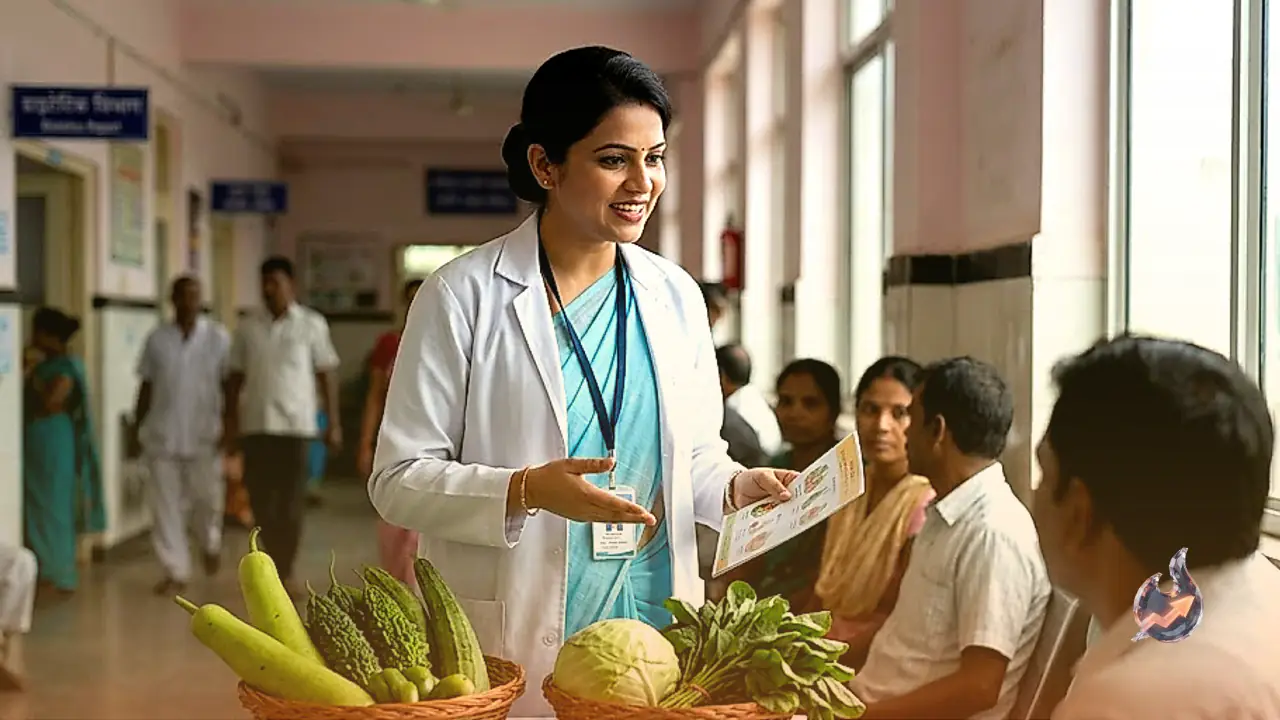
The dietitian emphasizes that individuals do not need to avoid all vegetables during the monsoon. Instead, the focus should shift toward vegetables that grow above the ground on creepers or vines. Because these crops do not come into direct contact with wet soil, the danger of parasitic accumulation is drastically minimized.
Incorporating vegetables like bottle gourd (lauki), sponge gourd (nenua), ladyfinger (bhindi), and bitter gourd (karela) into daily meals offers a healthy and safe alternative. These vine-grown options are easy to digest, rich in essential vitamins, and much simpler to cleanse thoroughly before cooking.
Traditional Dishes to Include and the Warning Against Elephant Foot Yam
Since the supply of fresh vegetables often declines during the monsoon, people frequently search for meal variations. Dr. Jyoti Singh suggests incorporating traditional Indian culinary preparations into the daily diet. Dishes made from chickpeas or lentils, gram flour dumplings (besan gatta curry), and vegetable koftas serve as nutritious, safe substitutes when green produce is limited.
However, many households turn to root vegetables like elephant foot yam (suran or jimikand) as an alternative. The dietitian cautions that because suran develops entirely underground in direct contact with soil, it carries a high risk of parasitic contamination during the rainy season. If suran is consumed, it must be peeled, chopped, and scrubbed with exceptional care. It is important to note that repeatedly washing vegetables after chopping can leach out valuable water-soluble vitamins, making it preferable to wash all produce thoroughly prior to cutting.
Vegetable Washing Techniques, Cooking Rules, and Hand Hygiene
Along with selecting the right produce, adopting correct cleaning and cooking practices is paramount. When washing vegetables, adding a small amount of salt or vinegar to the water can help detach surface pathogens effectively. Nevertheless, rigorous washing followed by proper cooking at adequate temperatures remains the most reliable defense against foodborne infections.
Dr. Jyoti Singh also underscores the critical role of hand hygiene in the kitchen. Hands must be washed thoroughly with soap both before and after handling raw vegetables. Unwashed hands often act as the primary vector transmitting bacteria and parasites onto food and cooking utensils. Maintaining strict sanitation standards from food prep to serving is the key to staying healthy throughout the monsoon.