


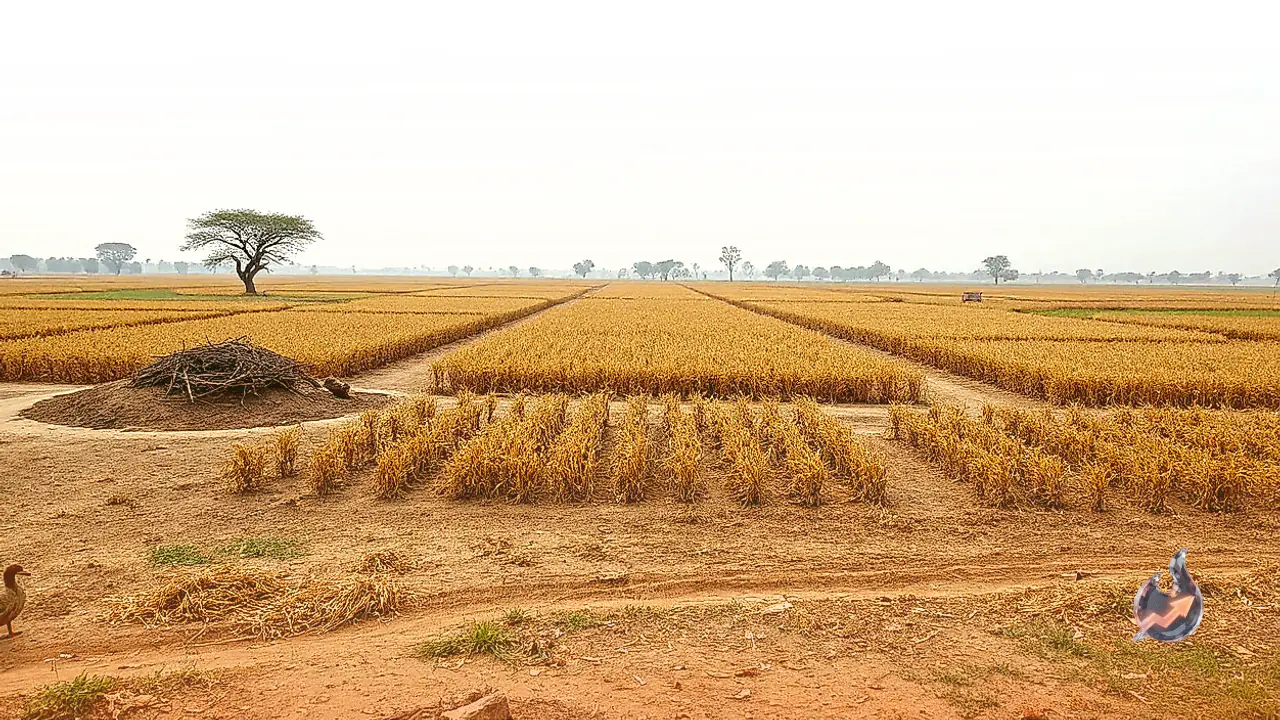

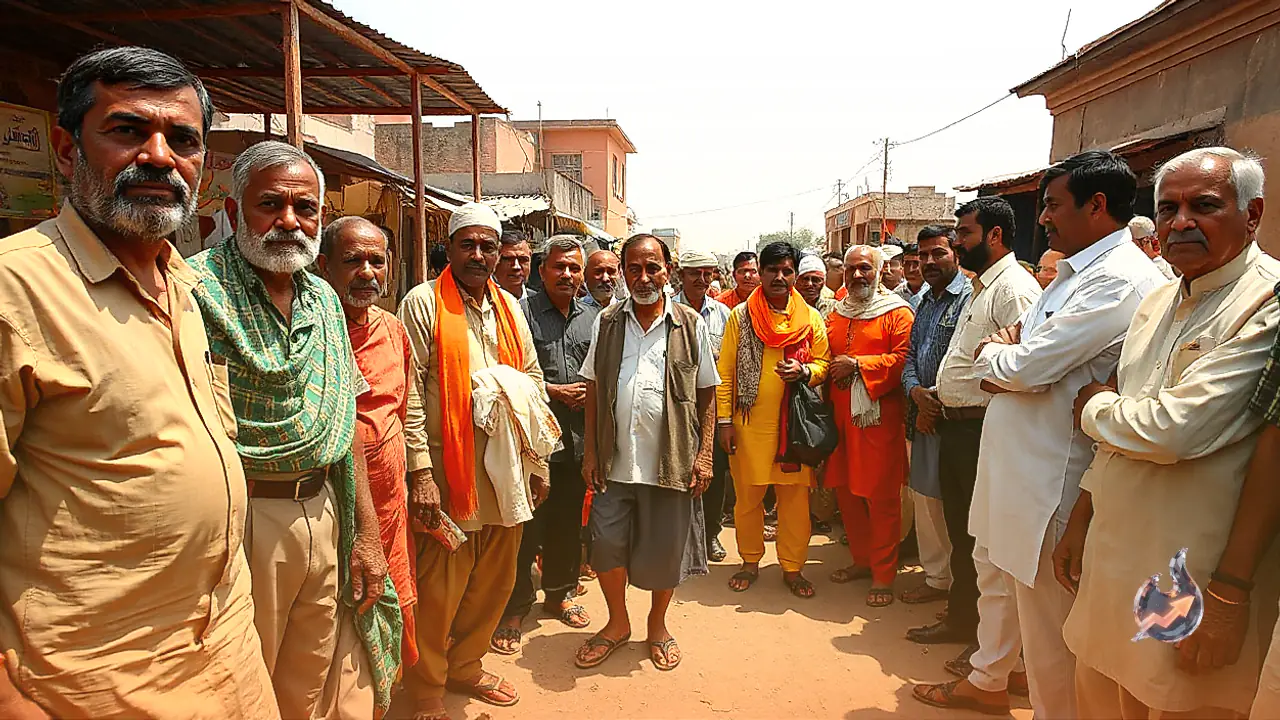














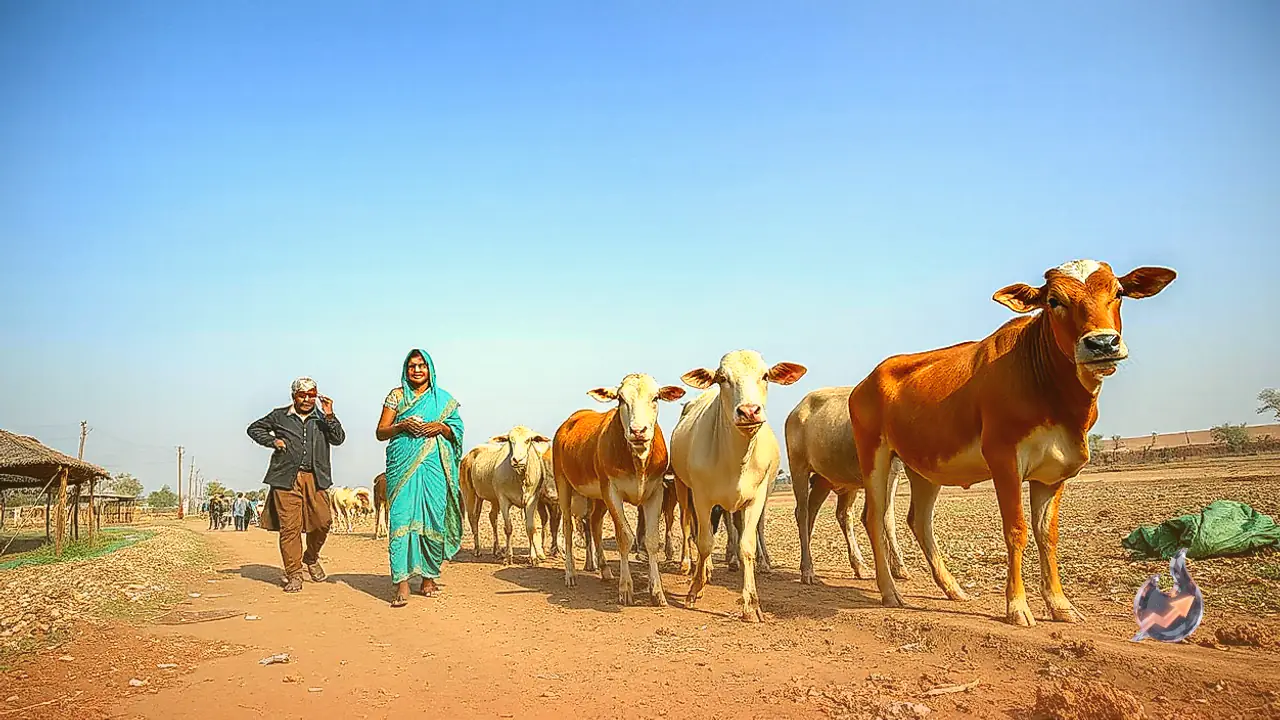

Banaskantha, once regarded as an arid border outpost vulnerable to frequent environmental hardship, has engineered a comprehensive structural turnaround in its rural economy over the past quarter-century. The enthusiastic presence of thousands of women dairy farmers during the unveiling of the Bharat Bovine Breeding and Research Centre in Bhildi underlined the grassroots momentum behind this transformation. Banners held by local producers credited strategic leadership and cohesive cooperative action for transforming household financial stability across the district.
Surging Incomes Through Cooperative Strength
During its initial three and a half decades of operation, Banas Dairy distributed approximately Rs 22.88 crore each month to affiliated dairy producers. A decisive policy pivot followed, pushing monthly earnings to Rs 288 crore over the subsequent 12-year stretch. Sustained institutional upgrades and modern collection systems over the most recent 12-year span have further propelled these monthly disbursements to Rs 1400 crore. Reflecting this operational surplus, the cooperative distributed Rs 2300 crore as bonus profits directly to more than 3 lakh active members in the previous year alone.
Water Conservation and Commercial Horticulture
Addressing persistent water scarcity required fundamental innovations in farming practices. Rural electrification via the Jyotigram Yojana and dedicated outreach through the Krishi Mahotsav, launched in 2005, introduced water-efficient methodologies to agrarian households. Today, upwards of 80 percent of local cultivators deploy drip or sprinkler micro-irrigation setups. Conserving moisture in this manner has allowed farmers to move beyond subsistence crops, turning parched acreage into thriving plantations of high-value pomegranate and dragon fruit.
Livestock Healthcare and Processing Capacity
Initial resistance and widespread apprehension regarding animal inoculations once hindered veterinary efforts across rural settlements. The cooperative network stepped in to dispel misinformation, ensuring structured vaccination schedules for cattle and buffaloes. Enhanced herd health translated into unprecedented milk volumes, allowing Banas Dairy to register an average daily collection of 90 lakh litres. To handle expanding volumes, a greenfield processing facility boasting a capacity of 50 lakh litres per day was commissioned at Sanadra, while operations have extended into Haryana, Uttar Pradesh, and Madhya Pradesh.
Diversification into Honey and Renewable Energy
Complementary livelihood initiatives were rolled out in 2016, sparking an expansion in commercial beekeeping across the region. Developed in coordination with the Khadi and Village Industries Commission, this initiative has expanded across the country, enabling participating farmers to generate substantial annual revenues alongside dairying. Crop losses were minimized through advanced processing units for surplus potato harvests. Concurrently, livestock waste has been channeled into renewable power; collaborative ventures with Suzuki have led to the operationalization of 5 compressed biogas units, turning bovine dung into valuable fuel.
Genomic Advancement in Indigenous Livestock
The newly constructed Bharat Bovine Breeding and Research Centre targets significant genetic enhancements in indigenous Kankrej and Gir cattle along with local buffalo varieties. Conceived to generate 25000 embryos annually, the facility was made operational within three years following formal exchanges with Brazilian livestock specialists. The laboratory harnesses in-vitro fertilization, ovum pick-up, and advanced embryo transfer techniques to strengthen climatic resilience and disease tolerance. This scientific intervention has stimulated grassroots breeder clubs, elevating ordinary dairy farmers into skilled genetic conservators.
Mutual Aid and Community Resilience
The cooperative framework has repeatedly demonstrated its ability to mobilize community aid during emergencies. In Palanpur, members financed a 100-crore multi-speciality hospital and a 200-seat medical college by contributing 2 paise per litre from their daily dairy receipts over several years. During the acute second wave of the coronavirus crisis, members erected an operational oxygen facility in just 4 days. Similarly, in the opening wave, women producers raised and deposited Rs 7 crore into the PM CARES fund within a 3-day window. With individual female entrepreneurs earning in excess of Rs 1 crore annually from milk production, the cooperative model has established enduring economic autonomy.