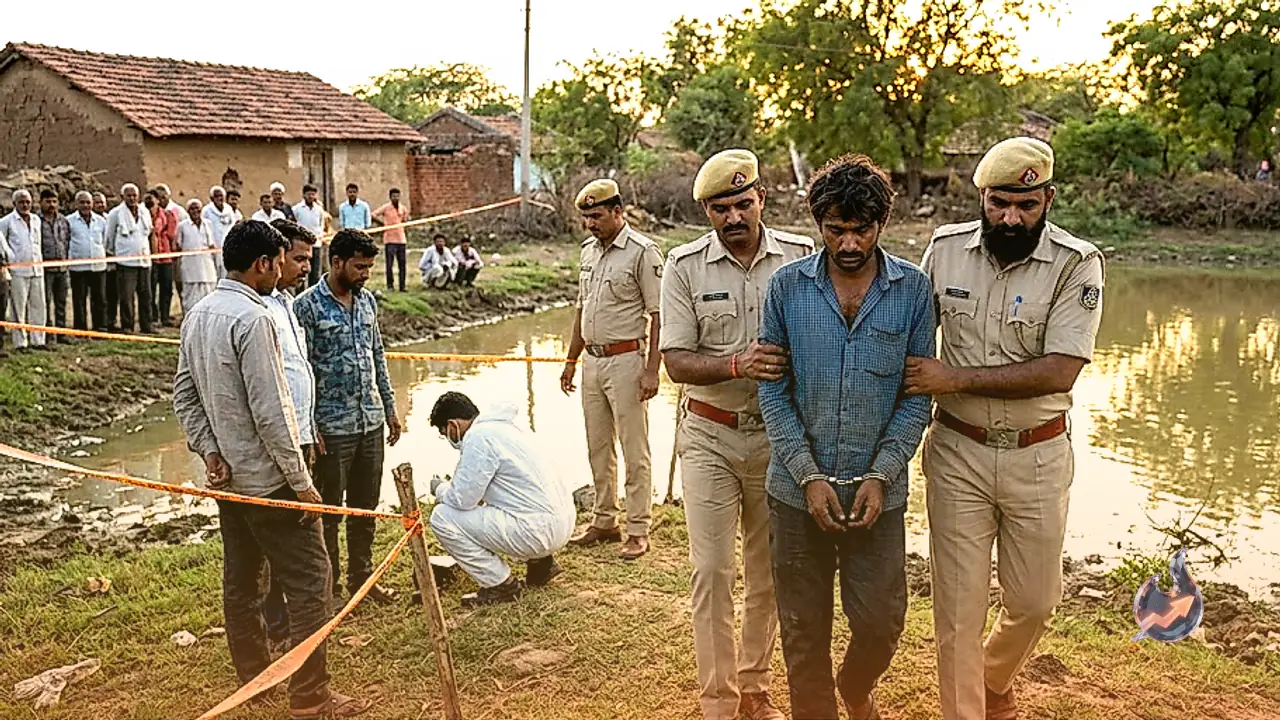
























In a concerning shift of intelligence tactics, Pakistan's intelligence agency, the ISI, is actively deploying professional psychologists to target Indian government and military officials holding sensitive information. Moving away from traditional methods like monetary bribes or blackmail, this new honey-trap network focuses on exploiting the personal vulnerabilities and psychological stresses of officials through social media platforms. Despite continuous safety advisories issued across departments, several officers are falling victim to this sophisticated cyber operation.
A Shift in Cyber Espionage Tactics
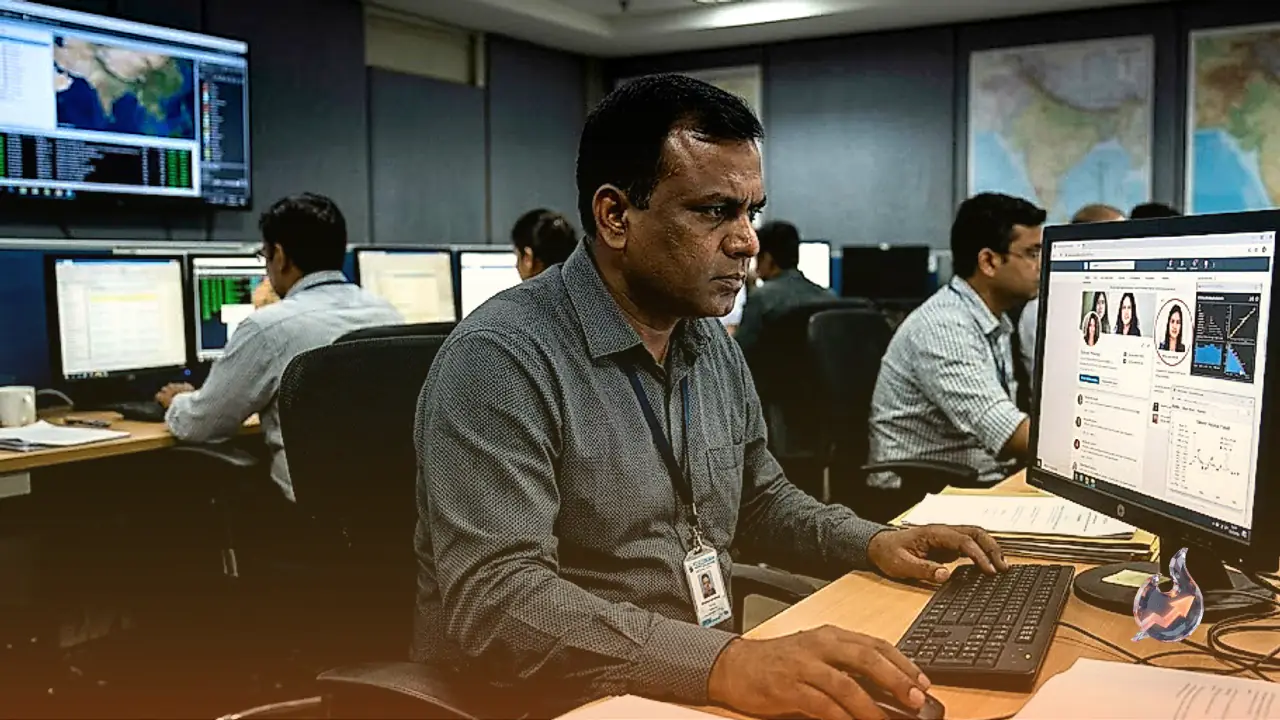
According to an official from the Intelligence Bureau, the ISI has recruited several trained psychologists specifically to identify officials who possess access to classified or sensitive operational data. Under instructions from the intelligence agency, these psychologists create fake social media accounts using female names. They carefully monitor online activities, focusing particularly on officers who use social media platforms to express personal frustration, fatigue, or grievances. With their specialized background, these psychologists quickly assess the mental state and emotional state of potential targets.
Months of Psychological Profiling and Trust Building
Once a potential target is selected, the trained psychologists initiate regular conversations online while maintaining a persona of deep sympathy and emotional closeness. Unlike traditional honey-trap operations that relied on sudden lure or threats, this psychological approach is executed with extreme patience. Operatives spend nearly two to three months studying the officer's personal life, mapping out emotional weaknesses, and establishing a high level of personal trust. Once this strong bond is formed, officials unknowingly begin sharing sensitive details through everyday digital communication channels.
Deployment of Chinese Malware and Spyware
After establishing firm trust with the target, the psychologists move to the technical exploitation phase. The officer is persuaded to download and install specific applications onto their official or personal electronic devices under harmless pretexts. In reality, these software applications contain covert malware and spyware designed to extract confidential files and log user activities secretly. Intelligence investigations reveal that a majority of these malicious programs used in the honey-trap network are manufactured in China, giving hackers complete back-door access to compromise device security.
Growing Concerns for Indian Intelligence Agencies
The rising effectiveness of leveraging officers' personal struggles has driven a surge in demand for psychologists within cyber espionage operations in Pakistan. Indian security agencies have expressed deep concern over this evolving threat. Despite frequent advisories and security guidelines issued across various departments, several officials continue to fall into these well-crafted traps, installing data-leaking software and compromising critical national information.