


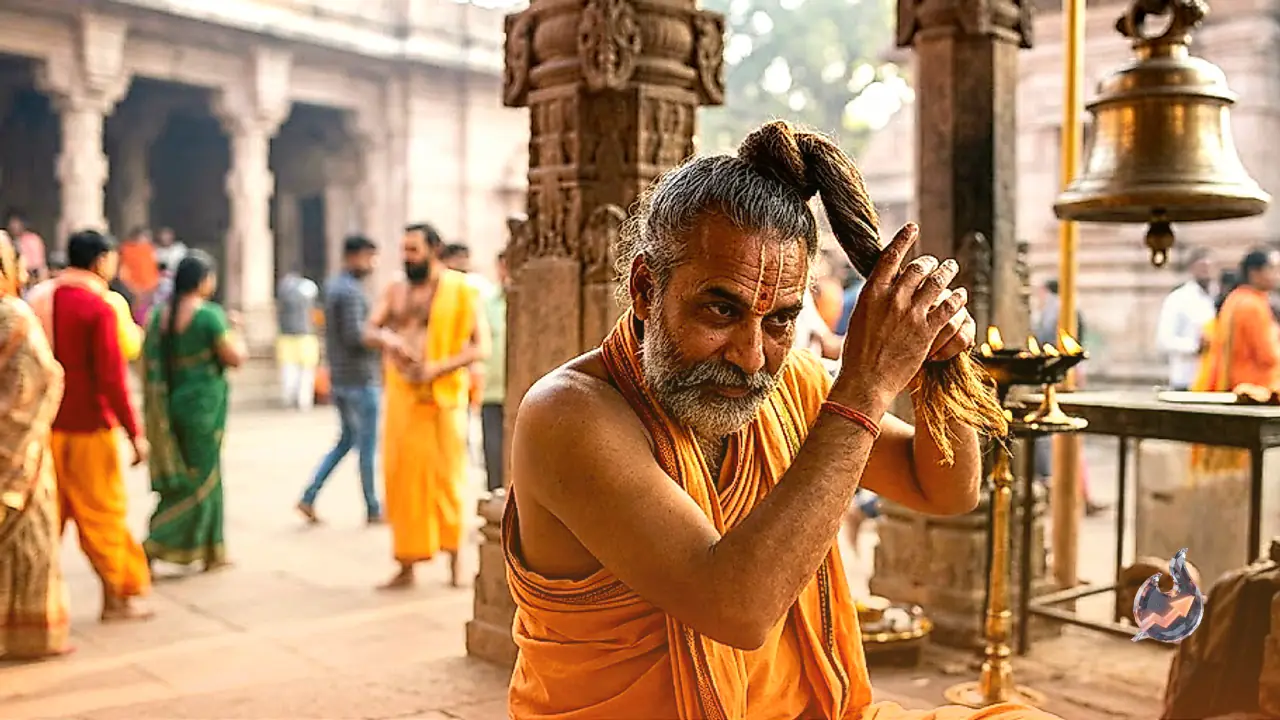

















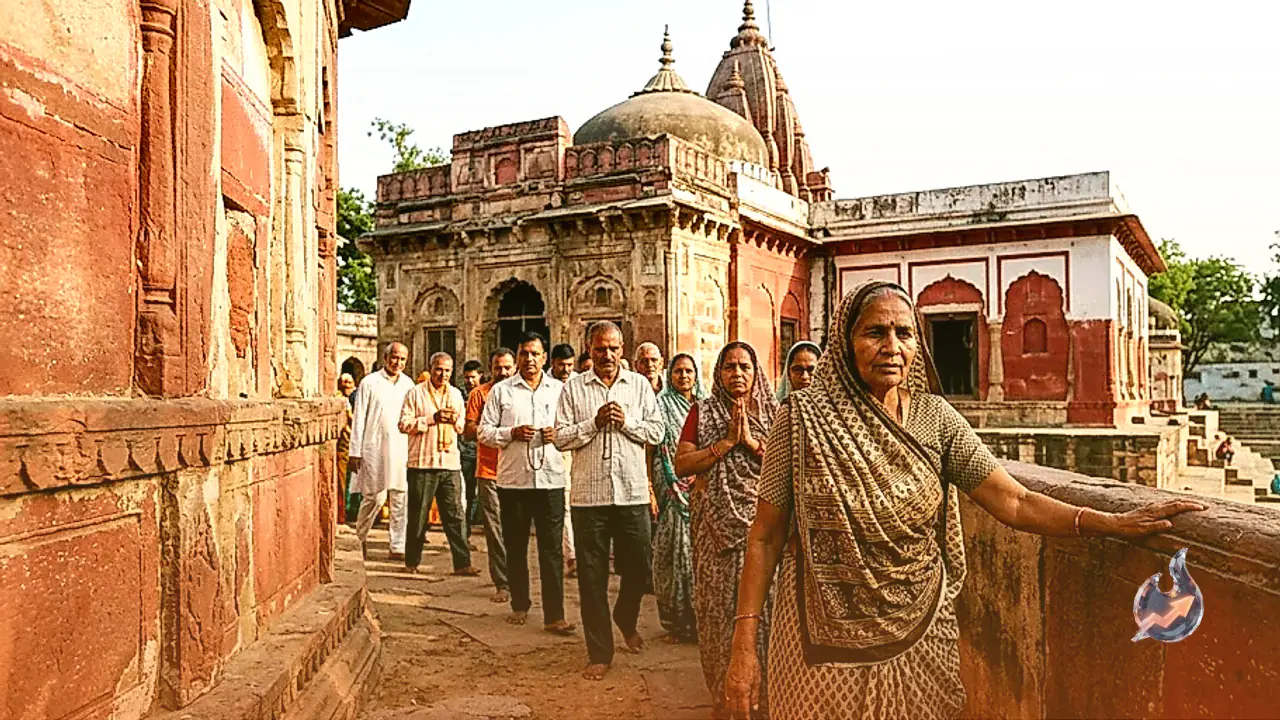

The ancient temple of Radha and Krishna, famously known as the temple of Bansi Wale, located in Nawada village of Faridabad district, holds a prominent and deeply revered position among devotees. This sacred destination is associated with historical times, immediately enveloping visitors in a distinct, tranquil aura upon entering the premises. Surrounded by a lush canopy of green trees and vibrant vegetation, the peaceful environment naturally encourages visitors to pause and spend quiet moments there. From the early hours of the morning, a steady stream of devotees begins to arrive, with many traveling from distant regions to spend peaceful hours in contemplation and prayer. This shrine is not merely a place of worship but serves as a vital spiritual anchor and community hub for the local residents.
Historical Legacy and Beliefs Rooted in the Dwapar Yug
Local lore and ancestral stories regarding the origin and antiquity of this temple run deep among the villagers. According to local residents, the sacred site of Bansi Wale Krishna is believed to have its origins in the Dwapar Yug, dating back to the era of Lord Krishna himself. Many of the village elders estimate the temple's history to span approximately 5,000 years. While these historical claims are fundamentally grounded in local folklore and generational faith rather than documented archaeological records, the tales passed down through successive generations have rendered this place extraordinarily sacred to the public. Elders in Nawada village continue to narrate these ancient episodes, miraculous occurrences, and traditional beliefs to the younger generation, ensuring that the community remains deeply connected to its cultural roots.
A Serene Sanctuary with a Sacred Pond and Hermitages
Within the temple complex lies an ancient pond, which local devotees view with immense spiritual reverence. This water body is considered sacred, with many believing its waters possess spiritual purity. The area surrounding the temple is shaded by massive, mature trees, creating a cool and inviting outdoor space that stands in stark contrast to the busy, chaotic pace of urban life. The complex also houses dedicated ashrams or hermitages designed for visiting ascetics and saints. Many sadhus travel here to reside temporarily, utilizing the quiet surroundings to engage in deep meditation, silent prayers, and spiritual practices. During the early morning, the atmosphere is exceptionally quiet, allowing visitors to sit in peaceful reflection amidst the rustling leaves and cool breeze, offering a refreshing escape from daily stresses.
Priest Somnath and the Traditional Annual Fair of Jeth
The temple’s daily rituals, worship services, and general upkeep are managed under the guidance of the head priest, Somnath. According to priest Somnath, the temple hosts a grand and highly anticipated annual fair during the Hindu calendar month of Jeth. This massive festival is not a brief event but spans an entire month, drawing enormous crowds from neighboring villages as well as distant districts and neighboring regions. During this month-long celebration, devotees participate actively according to their personal capabilities and faith. While some visitors focus primarily on offering prayers and receiving blessings, many others dedicate themselves to voluntary community service, helping with the logistical arrangements and smooth running of the temple activities.
Community Service and Philanthropy During the Festival
The atmosphere at the Nawada temple transforms completely during the month-long Jeth fair, turning into a hub of religious celebrations and community bonding. Local villagers and volunteers organize various charitable services for the incoming crowds. Large-scale community kitchens, known as bhandaras, are set up to provide free meals and sacred food offerings to all visitors. Additionally, recognizing the intense heat of the summer season, volunteers establish stalls to distribute chilled, sweet drinks like sharbat to quench the thirst of weary travelers and devotees. Families, children, and the elderly all participate in these efforts, making the annual fair a major social and cultural milestone that unites the entire region in a spirit of mutual cooperation and harmony.
The Sacred Tradition of Perikrama and Fulfilling Wishes
A core spiritual practice among the devotees visiting this ancient temple is the ritual of perikrama, or circumambulation. The temple layout features a designated pathway surrounding the main shrines where devotees walk in circles as an act of devotion. Local belief dictates that a perikrama performed with a sincere heart and pure intentions has the power to fulfill one's deepest wishes and prayers. Driven by this profound faith, numerous people can be seen circumambulating the shrines during the morning and evening hours. Some carry traditional puja plates arranged with flowers and offerings, while others silently chant the names of the deities with every step. This rhythmic movement, accompanied by the gentle murmuring of prayers, fills the air with a deep sense of peace and religious devotion.
A Multi-Deity Complex Hosting Families and Devotees
The spiritual experience in Nawada is not limited to the central deities of Radha and Krishna. The expansive temple complex also houses dedicated shrines for Lord Shiva, Shani Dev, and various other Hindu deities. Typically, devotees begin their spiritual journey by paying respects at the main Radha-Krishna temple before proceeding to offer water at the Shiva temple and lighting oil lamps at the Shani Dev shrine. The spacious layout, combined with manicured green lawns and extensive tree cover, makes the temple complex a highly accessible and welcoming space for families. On weekends and holidays, families gather here to perform religious rites, allow children to experience the tranquil environment, and sit together in the peaceful garden spaces.
Vibrant Janmashtami Celebrations and Cultural Preservation
The spiritual fervor of Nawada village reaches its absolute peak during the auspicious festival of Janmashtami, which celebrates the birth of Lord Krishna. The entire village is swept up in a wave of religious excitement and preparation in the days leading up to the festival. The temple is beautifully decorated with elaborate floral arrangements, colorful lights, and festive displays. Special devotional song sessions, plays, and religious enactments of Krishna's life are organized, culminating in grand midnight rituals to mark the exact moment of the deity's birth. For the residents of Nawada, this temple is far more than a physical space for daily prayers; it is a living symbol of their ancient heritage and a cherished cultural monument that they protect and pass down to future generations with pride.