



















Municipal authorities in Sonipat have initiated strict enforcement against roadside eateries and hospitality establishments in Murthal over the unmanaged disposal of waste and wastewater. Under Solid Waste Management Rules 2026, notices have been served to approximately 100 government and private hotels and dhabas identified as major waste generators. The administration has warned that persistent non-compliance will invite heavy financial penalties. Alongside regulatory enforcement, officials are moving forward with an infrastructure upgrade to scale up the local sewage treatment plant, addressing chronic waterlogging on National Highway 44.
Targeting Unchecked Waste Generation Across Murthal Eateries
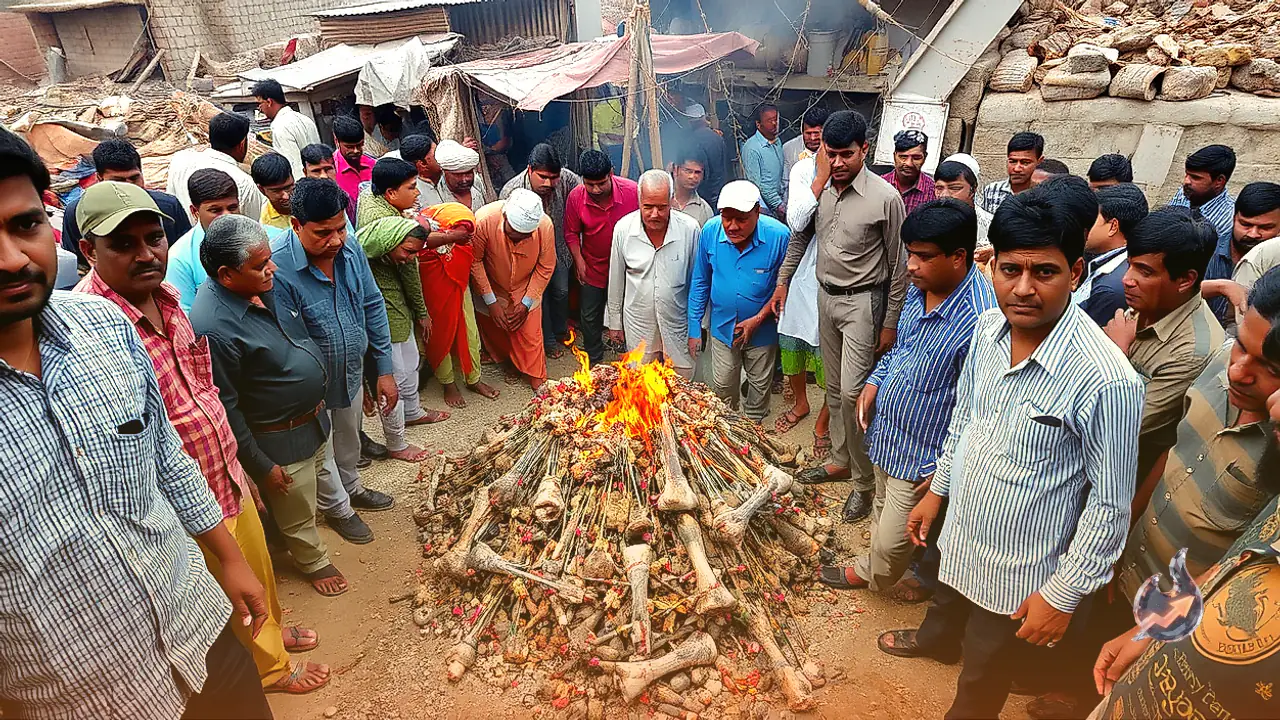
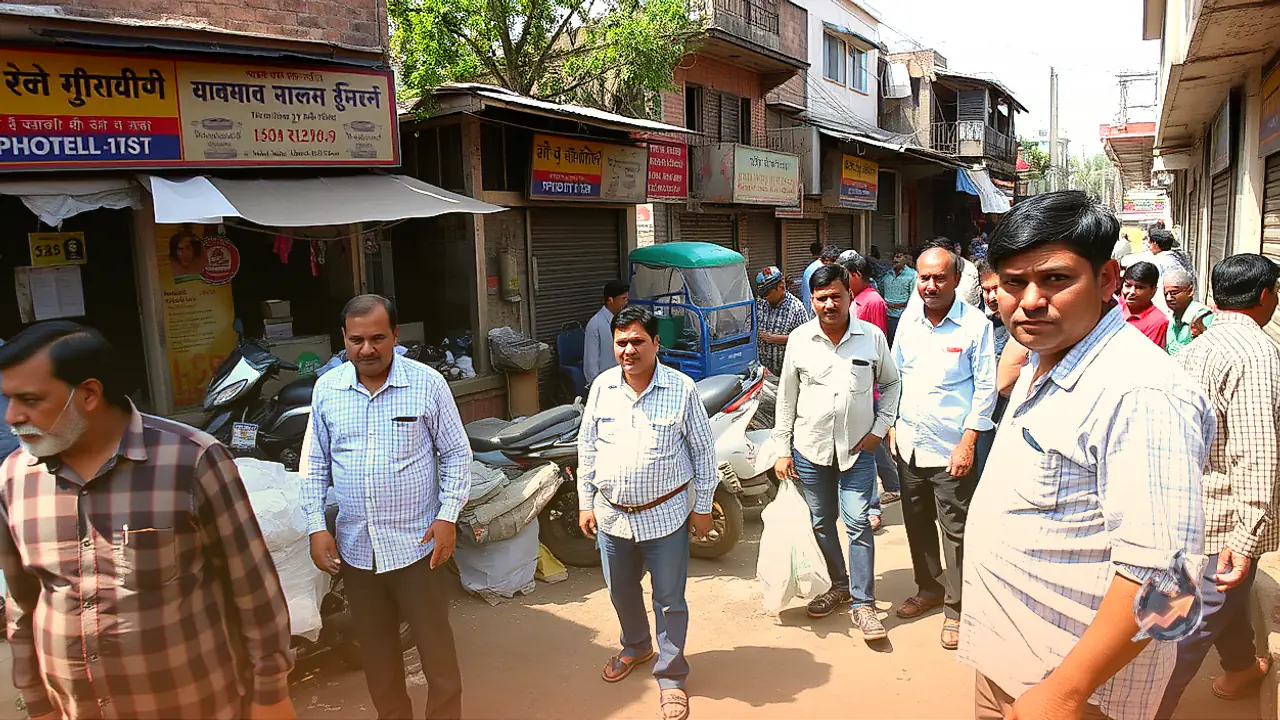
Murthal, widely recognized across northern India for its roadside food culture and parathas, handles heavy commuter footfall every day. This sustained rush results in massive volumes of food scraps, commercial packaging, and liquid waste. Many establishments have routinely discharged untreated effluents and dumped commercial waste in open spaces, degrading local sanitation and polluting nearby public land. Following inspections, the civic body identified around 100 high-volume commercial kitchens and hotels operating in the area, directing them to align their everyday operations with mandatory waste disposal standards.
Fines Under Solid Waste Management Rules 2026
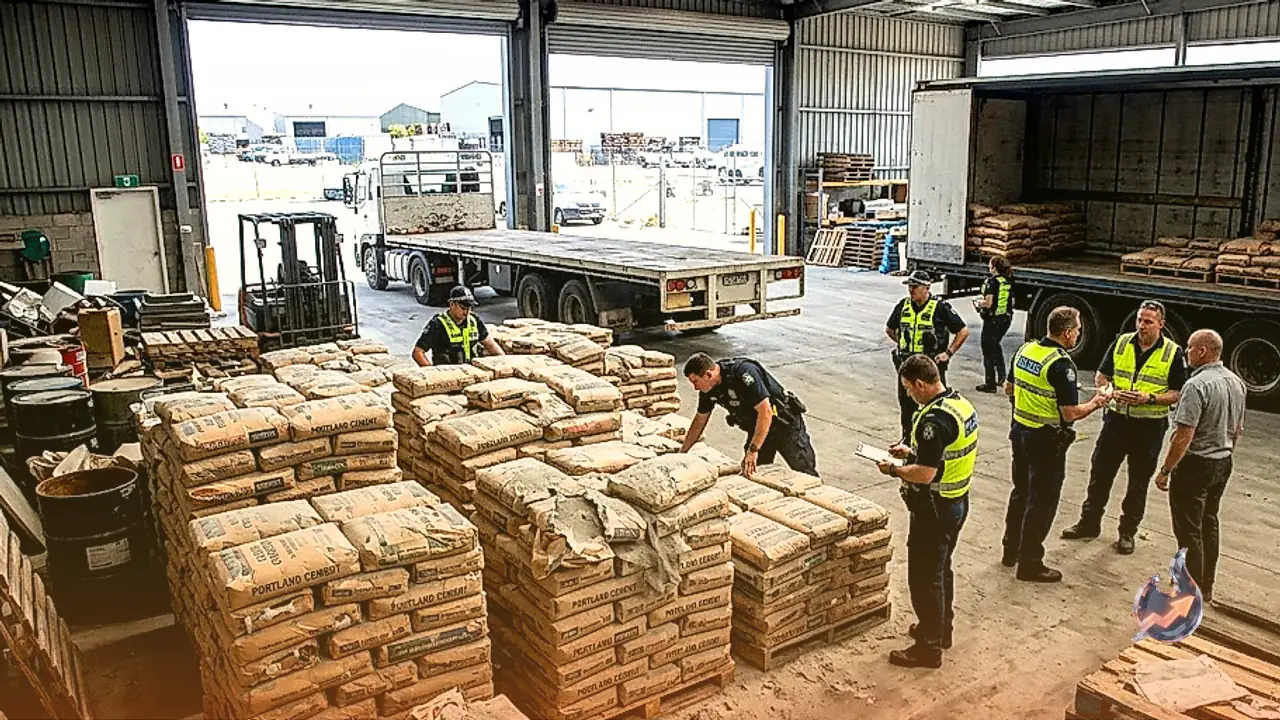
Sonipat Municipal Corporation Commissioner Harshit Kumar stated that the current drive strictly enforces the Solid Waste Management Rules 2026 across commercial kitchens in the belt. He indicated that all identified government and private establishments have been served formal notices instructing them to establish proper waste segregation and disposal mechanisms. Businesses caught dumping garbage in the open or releasing wastewater into the open environment will face direct financial fines. The municipal corporation aims to establish strict control over daily commercial waste output and restore environmental cleanliness across the corridor.
Upgrading Murthal STP Capacity from 3 MLD to 7.5 MLD
To address the liquid waste crisis permanently, authorities have finalized plans to augment the existing wastewater treatment infrastructure. The Sewage Treatment Plant (STP) currently serving the Murthal belt possesses a capacity of only 3 MLD (million litres per day), which routinely falls short of handling the surging volume of sewage discharged by commercial clusters. To rectify this bottleneck, the administration has planned an expansion that will elevate the plant's operational capacity to 7.5 MLD. Once fully expanded, the facility will provide comprehensive treatment for commercial effluents, mitigating unsanitary overflows.
Mitigating Road Accident Hazards on National Highway 44
Excess untreated wastewater from the overwhelmed plant frequently spills over onto the carriageways of National Highway 44, causing severe waterlogging. This persistent accumulation of filthy water hampers traffic flow and creates severe driving hazards. Slippery road surfaces caused by overflowing dirty water have triggered multiple vehicular collisions in the past. Expanding the treatment plant's processing threshold is expected to clear accumulated runoff from the corridor, ensuring safer journeys for commuters and significantly diminishing the likelihood of road accidents.