
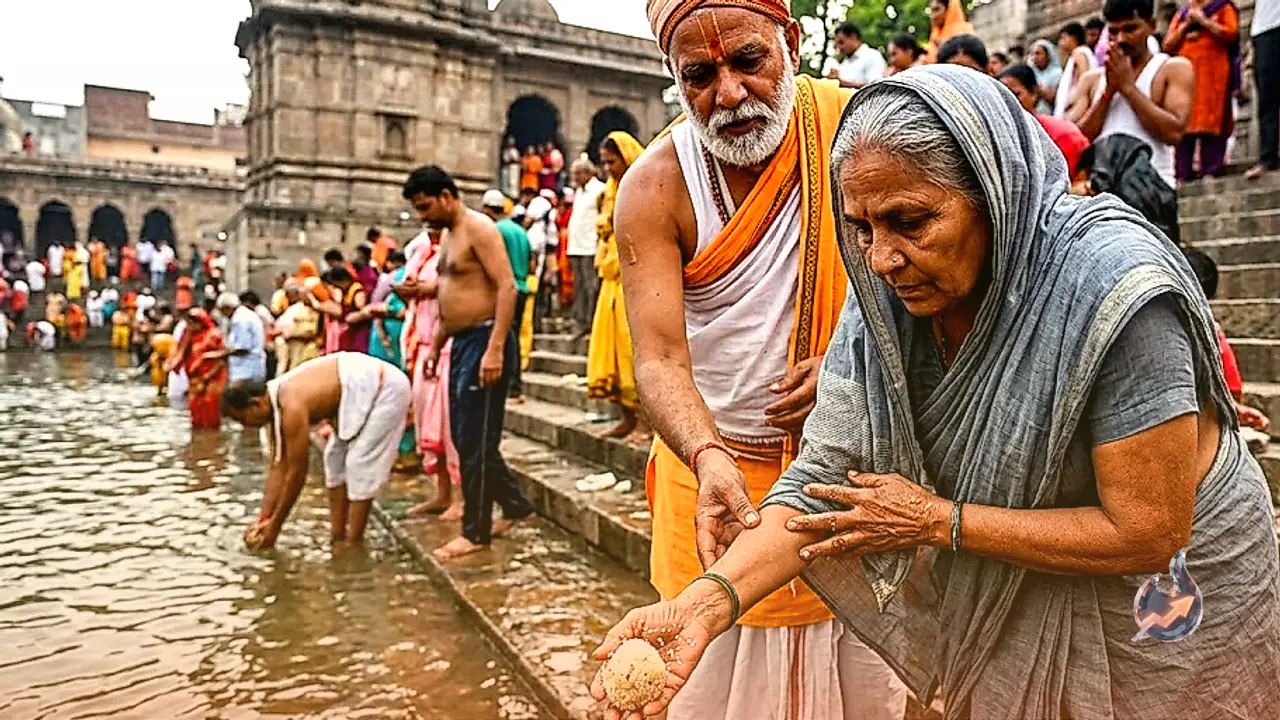


















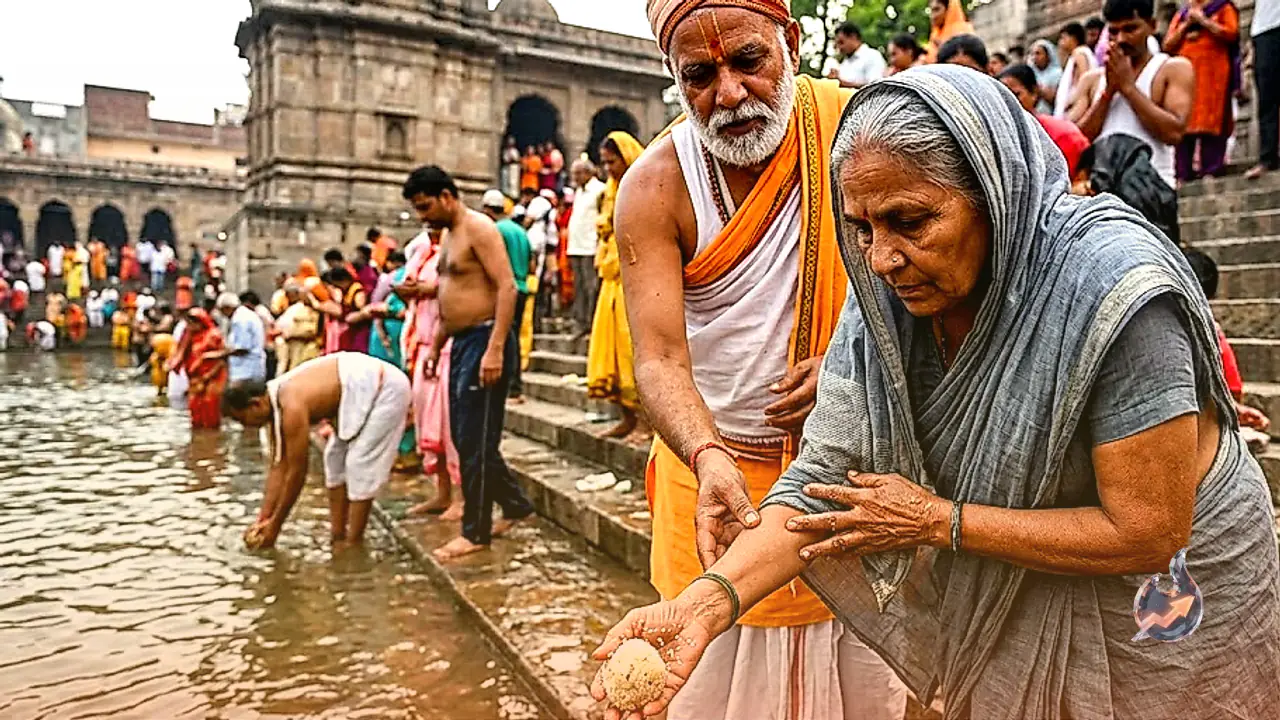

During the observance of Pitru Paksha 2026, families across the nation are performing ancestral shraddha, pind daan, and tarpan to honor departed relatives and pray for their peace. Among India's sacred destinations, the Pehowa shrine in Haryana holds exceptional spiritual significance for post-death rites. Situated along the banks of the sacred Saraswati river, this holy site is revered in traditional lore as 'Adi Gaya Tirtha'. While pilgrims visit the riverbanks throughout the calendar year to offer rites for their ancestors, the congregation swells dramatically during the annual fortnight of Pitru Paksha.
Deliverance for Souls Lost to Sudden or Accidental Demise
Religious traditions at Pehowa place immense importance on conducting rites for individuals who suffered untimely or sudden ends. The regional belief holds that individuals who lost their lives to mishaps related to water, air, earth, or other sudden circumstances find liberation and peace when rituals are performed here. Families believe that carrying out pind daan and tarpan on this soil clears the path to salvation for unsettled souls. Because of this profound faith, numerous lineages have traveled to Pehowa for generations, conducting their ancestral rites through traditional hereditary priests.
Epic Roots Traced to Krishna and Yudhishthira After the Mahabharata War
The legendary antiquity of Pehowa is directly connected with the epic Mahabharata period. According to local shrine priests, the site was chosen immediately after the Great War to bring peace to the millions who perished on the battlefield. Under the direct counsel of Lord Krishna, Dharmaraja Yudhishthira conducted extensive shraddha and pind daan rituals on the banks of the Saraswati river in Pehowa for fallen soldiers across both Pandava and Kaurava lines. This historical rite for deceased warriors firmly established Pehowa as a paramount center for ancestor veneration.
The Sacred Pret Peepal Tree and Ritual Offerings of Tarpan
Following the primary pind daan ceremony, tradition dictates an essential worship and water offering at the site known as Pret Peepal. Shrine priests explain that tarpan literally signifies bringing lasting contentment to the ancestors. Once the rice balls are offered, sacred water is poured out in tarpan, with tradition maintaining that this offering reaches the departed ancestors through the conduit of the Pret Peepal tree. The pind daan rites incorporate sesame seeds, rice grains, seasonal blossoms, and fine rice flour. A devoutly executed ritual is believed to fulfill the spiritual hunger of the ancestors and secure their ongoing protection over the household.
Liberation from Unsettled Realms and the Significance of Chaitra Chaudas
Shrine priests emphasize that beyond Pitru Paksha, the occasion of Chaitra Chaudas holds equal sanctity at Pehowa. On this day, devotees arrive in large numbers from adjoining territories including Punjab, Haryana, and Himachal Pradesh to perform ancestral rites. According to priests, rituals performed during Chaitra Chaudas can liberate souls even from lower or tortured states. Moreover, an established tradition holds that if an ancestor's post-death rituals failed to bring spiritual fruit elsewhere, performing pind daan at Pehowa yields complete spiritual fulfillment.
Attaining Inward Contentment and Lasting Mental Peace
Priests serving at the pilgrimage site highlight that the foremost reward for performing rites at Pehowa is a deep sense of personal peace and psychological relief. While distinct pilgrimage centers across India offer varying religious merits for ancestral shraddha, Pehowa is uniquely linked with providing emotional fulfillment and inner calm to the performer. Consequently, throughout the Pitru Paksha period, worshippers from diverse corners of the country continue to journey to the banks of the Saraswati at Pehowa.