























In modern times, WhatsApp is widely used across all sections of society for connecting with family, friends, and handling professional communication. However, this digital platform often becomes a tool for fraudsters when unauthorized individuals use your photographs to set up fake accounts. In such scenarios, culprits send messages to your acquaintances, not only damaging your reputation but also attempting financial fraud. Addressing this serious issue, advocate Awadhesh Kumar Sharma from the Faridabad Sector 12 Court detailed the legal remedies available to tackle such online manipulation.
Strict action under the IT Act and defamation laws
According to advocate Awadhesh Kumar Sharma, operating a fake WhatsApp account by utilizing another person's picture without consent is a punishable offense under the law. Legal action in such cases can be initiated under the provisions of the Information Technology Act. Furthermore, if the accused person posts inappropriate messages or content via that fake profile to ruin your standing in society, the victim also has the legal option to file a defamation suit. This allows legal pathways to be pursued against individuals attempting to harm social reputation.
Imprisonment and fines under Section 66D and other laws
If an individual sets up a fake account on WhatsApp using your photo and asks people for money or commits fraud in your name, action can be taken under Section 66D of the IT Act, carrying a punishment of up to three years in prison and a fine of up to one lakh rupees. Additionally, Section 66C for identity theft and Sections 318 and 319 of the Bharatiya Nyaya Sanhita for fraud may also apply. If anyone gets defrauded through such fake WhatsApp accounts, citizens need to remain extremely vigilant themselves. Since the government has discussed introducing new provisions to curb and assign responsibility for digital fraud, one must never blindly trust messages originating from unknown accounts.
Complaint procedure and essential evidence for action
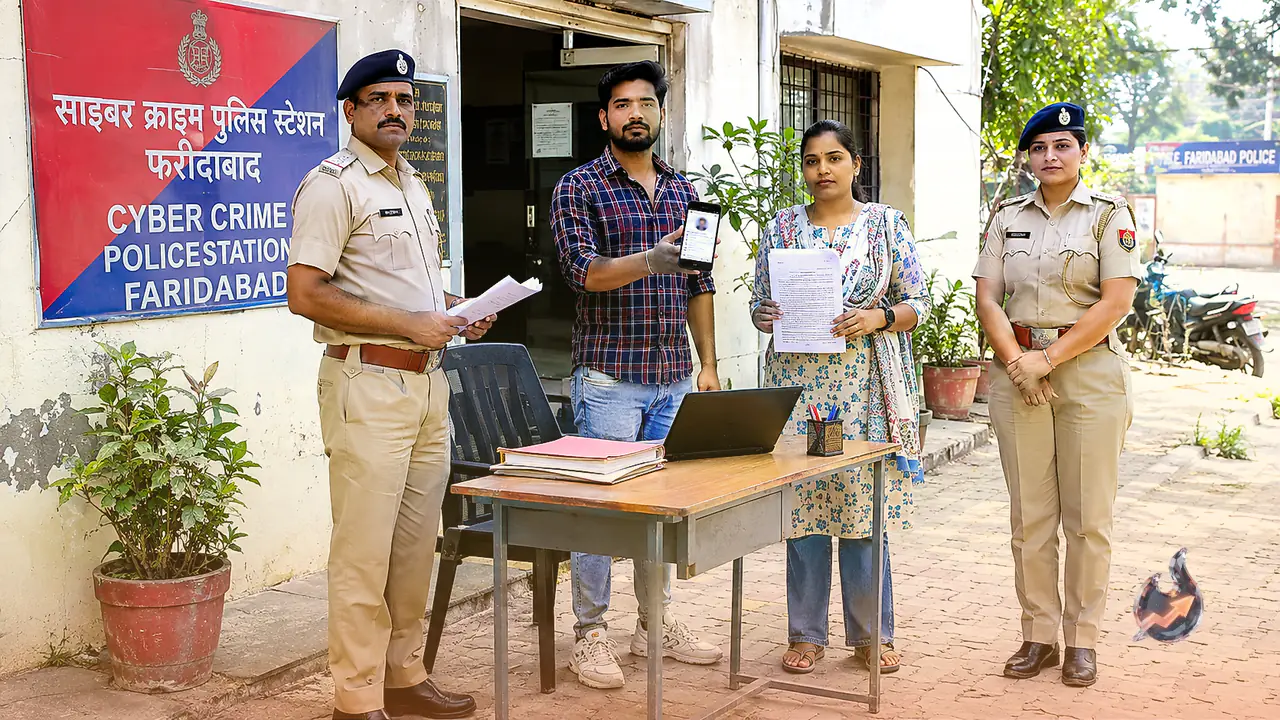
Regarding where to report fake WhatsApp accounts, advocate Awadhesh Kumar Sharma states that victims can file a formal complaint at their local police station or approach the cyber crime department. Providing comprehensive details during the complaint is vital to advance the investigation. Digital evidence is extremely crucial to get fake accounts removed and initiate police complaints. Advocate Awadhesh Kumar Sharma explains that one should first retain a copy of the complaint and safely preserve screenshots of the fake account's profile picture, mobile number, chat logs, and objectionable posts. Technical details such as IP addresses can also prove helpful during investigations, where provisions of the IT Act can be effectively enforced. Depending on the nature of the crime, legal sections and punishments vary, and victims can even claim compensation in defamation cases. Therefore, rather than remaining silent when someone misuses your photo to create a fake account, gather evidence and report the matter to the police or cyber crime cell.