





















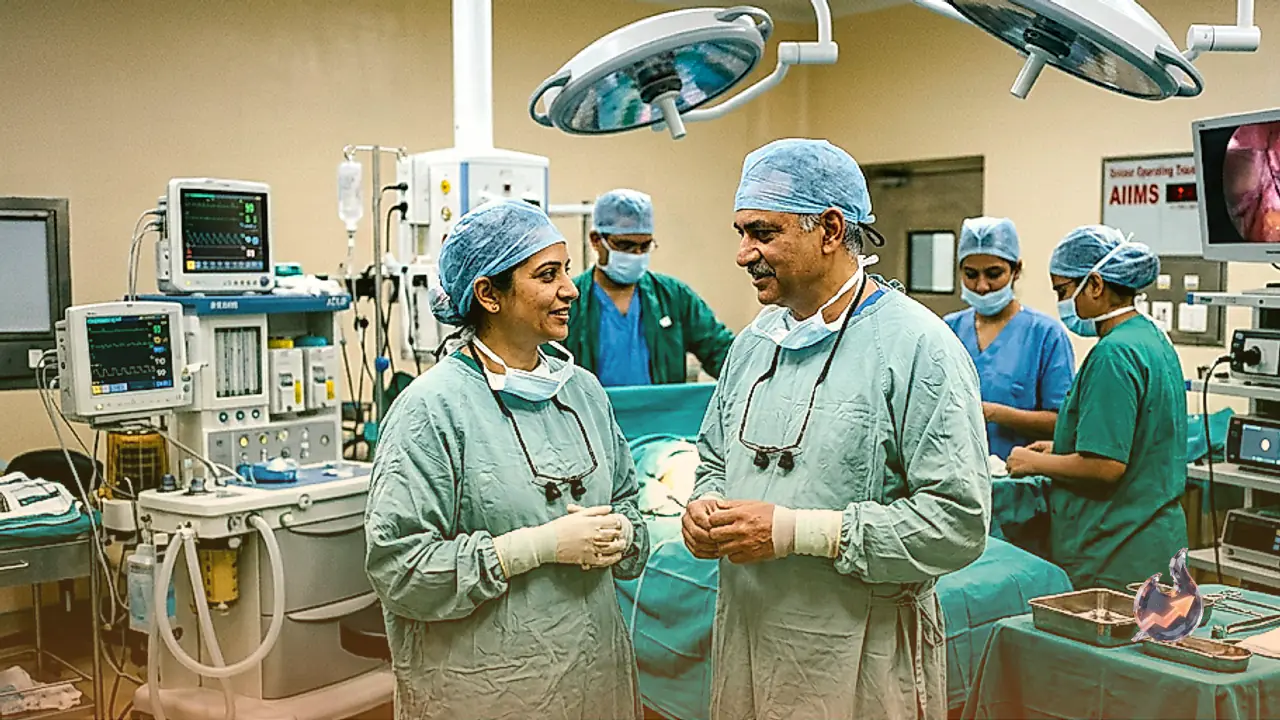

In a groundbreaking achievement for the medical fraternity, doctors at the All India Institute of Medical Sciences (AIIMS) in Delhi have successfully performed the country's first-ever open spine surgery on a fetus while still inside the mother's womb. This complex medical procedure took place on November 12, 2026, aiming to correct a congenital defect located in the spine of a 25-week unborn child. The fetus was suffering from a severe and intricate condition known as Myelomeningocele. This challenging operation lasted for approximately six hours, with a dedicated team of more than 30 doctors and nursing staff participating in the procedure.
The Unique Decision for Pre-Birth Surgery
The most remarkable aspect of this surgery is that such conditions are typically operated upon after the child is born. However, in this particular case, the medical team decided to perform the surgery while the baby was still inside the womb, in order to protect the spinal cord and nerves from prospective progressive damage. This highly complex procedure was conducted at the Neuroscience Centre of AIIMS. It utilized modern microscopy and continuous ultrasound guidance to ensure utmost precision.
Nearly Five Weeks of Intensive Preparation
Before undertaking this high-risk operation, the team of medical specialists prepared for more than five weeks. Throughout this period, multiple examinations of the fetus were conducted, and advanced imaging helped comprehend the exact severity of the condition. The parents were thoroughly counseled regarding the benefits and risks associated with the surgery. Additionally, preparations for the anesthesia procedure and simulated dry runs of the operation were executed with absolute precision.
Leadership of the Specialist Medical Team
The neurosurgery team was led by Professor Deepak Gupta. Meanwhile, the responsibilities pertaining to maternal-fetal medicine and obstetrics were managed by Professor Neena Malhotra and Professor K. Aparna Sharma. This comprehensive procedure also involved seasoned specialists from anesthesia, plastic surgery, and newborn care.
Understanding the Myelomeningocele Condition
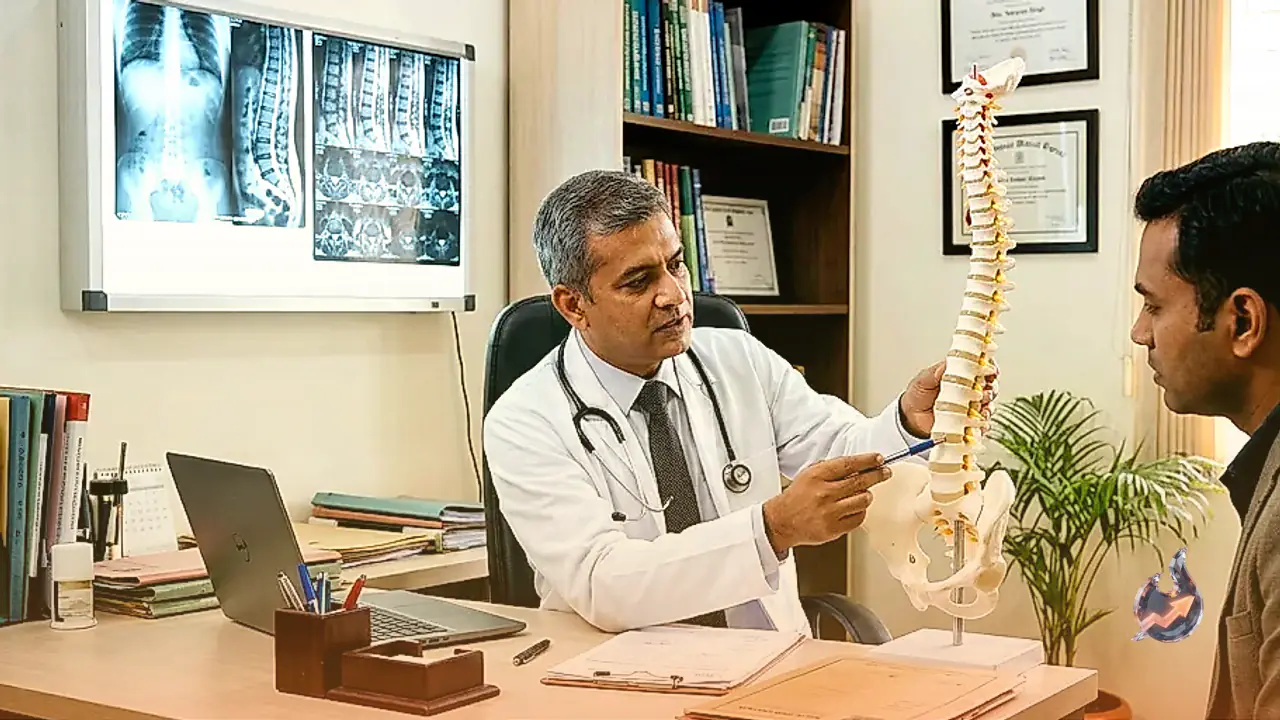
Myelomeningocele represents the most severe form of a congenital disability known as spina bifida. In this medical condition, the spinal cord of the developing fetus fails to close completely during pregnancy. An open section remains in the spine, causing the spinal cord and its protective membranes to push outward. Consequently, this exposes the spinal cord and underlying nerves to severe damage.
Due to this affliction, the child may experience weakness or paralysis in the lower limbs. Furthermore, some infants may also develop hydrocephalus, a condition characterized by an excessive accumulation of fluid within the brain. Additionally, the child might face prolonged neurological complications.
Advantages of Performing Surgery Inside the Womb
In standard medical practice, this condition is managed by surgically closing the open spinal defect following childbirth. Nevertheless, the primary objective of undertaking surgery during the prenatal stage is to minimize the trauma inflicted on the spinal cord prior to birth.
According to Professor Deepak Gupta of AIIMS, performing surgery during pregnancy in selected cases can help protect the child from various severe complications. It can also substantially reduce the necessity of installing a shunt to drain excess fluid from the brain in cases of hydrocephalus.
International findings from the MOMS trial had previously demonstrated highly favorable outcomes as well. The study revealed that 40 percent of children who underwent prenatal surgery required a shunt by 12 months of age. In contrast, this figure stood at 82 percent among infants who underwent postnatal surgery.
However, this does not imply that prenatal surgery completely cures the underlying condition. The procedure carries inherent risks, including the threat of preterm delivery and maternal uterine complications. Therefore, this operation is not recommended for every pregnant woman, and doctors advise it only in select cases following rigorous evaluations.
Completely Free Surgery for the Family
According to AIIMS, the entire financial cost of this surgery was covered under the Janani Shishu Suraksha Karyakram (JSSK). This implies that the family did not have to pay any money out of pocket for the procedure. The institution stated that performing a similar fetal surgery, managing high-risk pregnancy care, delivery, and treating the newborn in the United States could incur expenses exceeding one crore rupees.
Why Consuming Folic Acid Before Conception Is Essential
Medical experts emphasize that consuming folic acid prior to conception is essential to prevent such congenital disorders. Folic acid is a form of vitamin B9, which assists in the early development of the brain and spinal cord in an unborn child. The neural tube develops within the initial 28 days of pregnancy, a timeframe during which a woman might not even realize she is expecting. Therefore, women planning a pregnancy should consume folic acid under medical supervision. Moreover, folate-rich foods and food items fortified with folic acid can also prove beneficial.
Cases of Neural Tube Defects Remain a Concern in India
Incidences of neural tube defects remain a matter of considerable concern within India as well. A review of 27 Indian studies published in the year 2024 reported a pooled prevalence of 9.46 per 1,000 births. Currently, the medical team at AIIMS is maintaining continuous surveillance over both the mother and the developing fetus, and they will remain under specialist observation following delivery as well.