























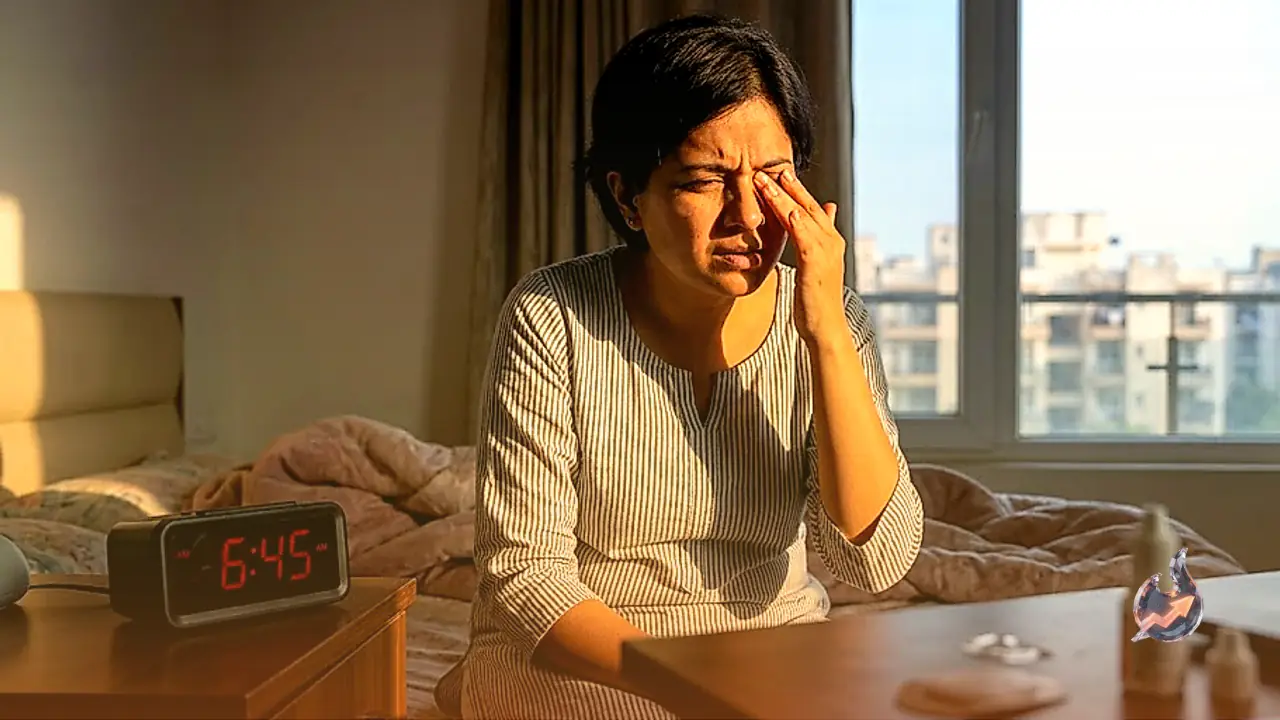

A health concern in Faridabad has experts warning that blurred vision immediately upon waking should not be dismissed as mere fatigue. Many individuals often overlook this sensation, assuming it to be a minor byproduct of sleep, but persistent morning blurriness may serve as an early indicator of serious eye diseases. Recognizing these symptoms promptly and seeking professional guidance from an ophthalmologist is essential to prevent long-term vision impairment.
Is Morning Blurred Vision Normal?
Dr. Rashmi Mittal, a senior ophthalmologist at Amrita Hospital in Faridabad, emphasizes that any ocular symptom should be taken seriously. While an occasional episode of mild blurring that resolves quickly might be considered common, experiencing this every single morning is a red flag. If the blurriness is a recurring issue, it warrants a professional investigation to rule out underlying serious conditions.
The Physiological Causes
According to Dr. Mittal, a critical structure in the eye is the iris, commonly referred to as the black pupil. During sleep, certain physiological conditions can cause fluid accumulation or swelling in this area, leading to blurred vision upon waking. As the day progresses and the individual becomes active, the vision typically begins to clear. If this pattern of morning blurriness repeats itself consistently, it is vital to undergo a comprehensive eye examination.
Impact of Digital Screens
The modern-day reliance on mobile phones, laptops, and television screens is significantly damaging eye health. Dr. Mittal explains that prolonged screen time leads to increased dryness in the eyes. This can result in irritation, watery eyes, redness, and severe eye fatigue. These symptoms are not just indicative of dry eye syndrome but can also signal more complex disorders related to the cornea or pupil, necessitating a thorough check-up by an eye specialist.
Dangers of Self-Medicating with Eye Drops
Dr. Mittal warns against the common practice of purchasing eye drops from medical stores without a prescription. Many people attempt to self-treat burning or blurriness with over-the-counter drops, which can lead to severe side effects. Incorrect usage can cause a dangerous increase in intraocular pressure, potentially leading to the development of cataracts. It is imperative that any form of eye drop treatment be administered only under the guidance of a qualified doctor.
The Importance of Routine Screenings
Dr. Mittal advises that every individual over the age of 40 should undergo a routine eye examination at least once a year. Conditions like glaucoma, or black cataracts, often progress in their early stages without any noticeable symptoms. By the time a patient realizes there is a problem, the eyes may have sustained irreversible damage. Regular screenings allow for early detection and timely intervention, which are crucial for preserving long-term eyesight.