






















A recent official audit has brought to light a stark contradiction in the rural healthcare landscape of Madhya Pradesh. While the state administration has poured massive funds into maternal and child wellness initiatives over the past few years, the region continues to register the highest maternal mortality rate across the country. The latest Comptroller and Auditor General evaluation acknowledges some statistical improvements but heavily criticizes the severe lack of basic facilities, structural mismanagement, and glaring staff shortages that continue to endanger the lives of countless mothers and newborns.
Tracking The Statistical Shifts
The detailed evaluation provides a mixed picture of the ongoing health interventions. On a positive note, the maternal mortality rate has witnessed a measurable decline, falling from 173 to 135 deaths per one lakh live births. Concurrently, the infant mortality rate has also shown an encouraging downward trend, dropping from 52 to 35 deaths for every one thousand live births. These figures represent a six percent reduction over a span of six years. However, despite this specific downward trajectory, the overall situation remains exceptionally critical. When compared to the national average, Madhya Pradesh maintains the worst position in the country, indicating that the current pace of improvement is deeply insufficient to pull the state out of its health crisis.
Grassroots Infrastructure Failures
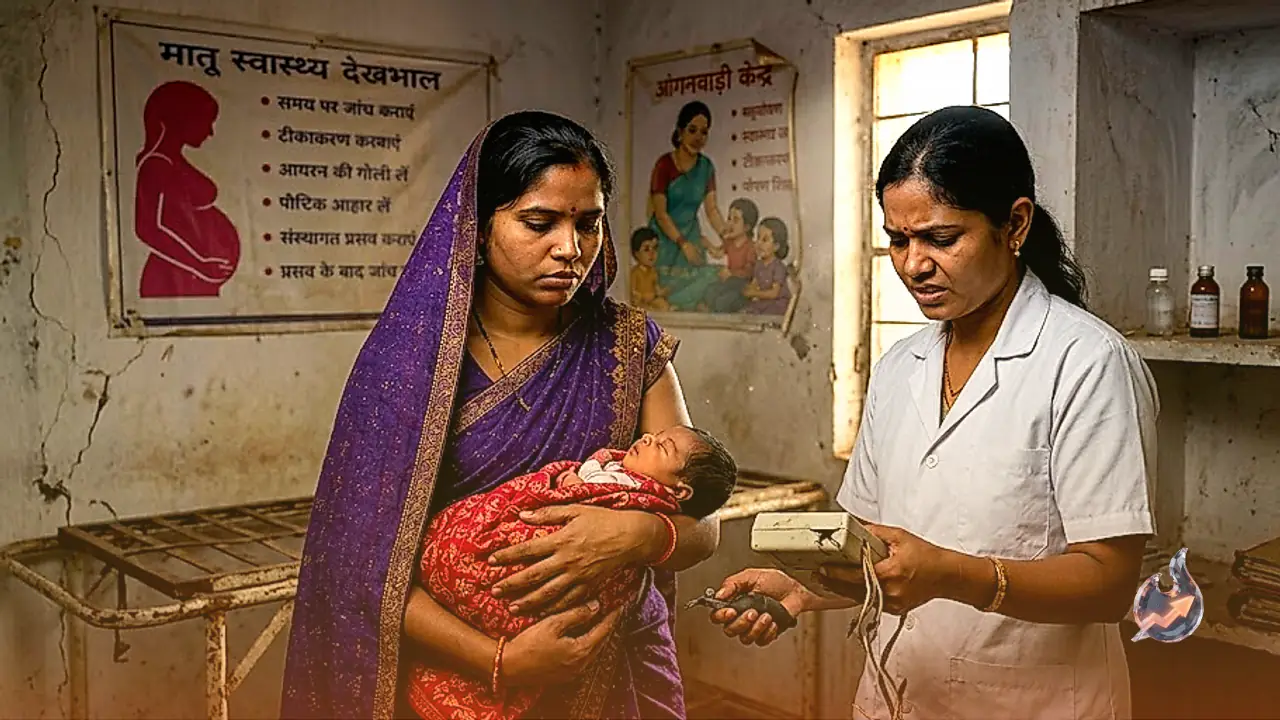
The core of the problem lies at the foundational level of rural healthcare delivery, specifically within the state's Anganwadi network. The audit found that the distribution of these essential childcare centers is highly uneven and completely inadequate. Out of 54,903 villages evaluated in the state, a staggering 8,842 villages do not even have an Anganwadi center set up in accordance with mandated population standards. Furthermore, the centers that do exist are operating under severely compromised conditions. Auditors discovered a widespread absence of fundamental necessities such as clean drinking water, functional toilets, and secure store rooms. These infrastructure deficits directly compromise the hygiene, safety, and overall quality of nutritional and health services meant for vulnerable women and young children.
Financial Expenditure And Administrative Void
The scale of the systemic failure is particularly striking given the sheer volume of public money involved. The oversight body reviewed the performance of schemes under the Women and Child Development and Health Department from the financial year 2019-20 through 2023-24. During this five-year window, the administration spent 20,565 crore rupees aimed at boosting child nutrition and delivering superior health facilities for expectant and nursing mothers. Through a vast network of 97,303 Anganwadi workers, these welfare programs managed to reach approximately 1.51 crore beneficiaries.
Yet, the execution of these heavily funded programs is heavily handicapped by an acute shortage of supervising and managing personnel. The audit laid bare an alarming administrative void at the top and middle tiers of the departments. Currently, 55 percent of the district project officer positions are sitting entirely vacant. The crisis extends down the chain of command, with 40 percent of child development project officer roles and 17 percent of supervisor posts remaining unfilled. Without adequate leadership and monitoring, the massive financial investments are failing to translate into the comprehensive systemic overhaul needed to shed the state's grim mortality record.