




















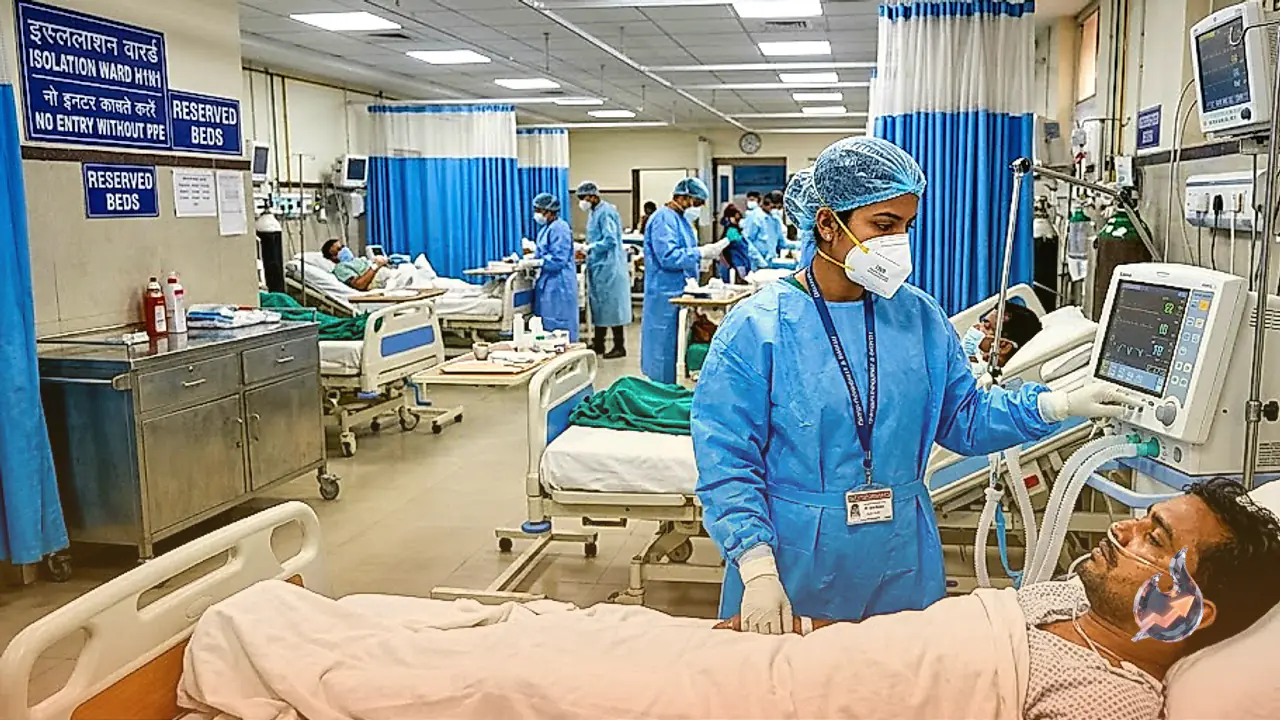

Medical authorities in Kanpur, Uttar Pradesh, have been placed on high alert following the detection of multiple H1N1 swine flu cases in the region. The seasonal infection has claimed the life of a 30-year-old man, a fatality confirmed only after post-mortem examination results were analyzed. In addition to this tragic death, medical tests confirmed that a four-year-old child and a 53-year-old woman have also contracted the virus. In response to these growing health concerns, GSVM Medical College and various government medical facilities across the city have put special preparedness measures in place, reserving dedicated hospital beds and life-support equipment for infected patients.
Death of a young man intensifies surveillance
According to health department officials, the 30-year-old resident of Kannauj developed a high fever and stomach pain on August 28, prompting his family to admit him to a private hospital in Kalyanpur. He passed away during treatment on September 1, and subsequent autopsy reports confirmed the presence of the H1N1 infection. Following this confirmation, health authorities have intensified surveillance efforts throughout the district. Medical teams are focusing on the early identification of individuals exhibiting flu-like symptoms, instructing healthcare facilities to initiate diagnostic testing and treatment protocols immediately for any suspected cases.
Infections confirmed in a child and a woman
The virus is affecting vulnerable populations as well, with a four-year-old child in Kanpur testing positive for H1N1 and subsequently being admitted to a hospital for ongoing care. Concurrently, a 53-year-old woman from Unnao has also returned a positive test result and was referred for specialized treatment. Meanwhile, another suspected patient is receiving medical care at Hallet Hospital. The emergence of these fresh cases has kept the hospital administration and health department closely monitoring patient conditions and disease progression.
Beds reserved across government hospitals
To prepare for any potential surge in H1N1 patient admissions, government-run medical facilities have designated specific beds for isolation and treatment. LLR Hospital, commonly known as Hallet Hospital, has reserved 30 beds, Ursala Hospital has set aside 15 to 20 beds, while KPM Hospital and Kanshiram Hospital have each allocated 10 beds. Furthermore, all 10 community health centers across the district have kept five beds reserved to ensure immediate admission facilities are accessible at the local level if needed. Health officials stated that hospitals have been directed to remain fully prepared to scale up treatment capacities using available resources should patient numbers rise unexpectedly.
Special arrangements and ventilator readiness at the medical college
GSVM Medical College has established specialized protocols for diagnosing and treating H1N1 patients. Dedicated testing procedures have been organized, and ventilator-equipped wards and beds have been set aside to manage critically ill individuals. If required, the medical college can utilize separate wards featuring 10 beds for adult patients and 10 beds for pediatric cases, ensuring that infected or suspected individuals are kept isolated from other hospital patients. College authorities are also conducting awareness programs within the premises to educate patients and their attendants about preventive measures and the importance of seeking timely medical advice for persistent flu symptoms.
Sufficient medicine stocks and active respiratory departments
Hallet Hospital administration reported that an adequate supply of medications for treating H1N1 is currently in stock, with the medicine chest and respiratory departments placed on high alert. Hospital officials emphasized that all necessary arrangements are in place to deliver immediate medical intervention when required. In light of the ongoing H1N1 cases, increased emphasis is being placed on monitoring individuals arriving at outpatient departments, particularly those presenting with fever, cough, and breathing difficulties.
Warnings against ignoring early symptoms
The health department has urged citizens not to dismiss flu-like symptoms as a common viral infection or neglect them for extended periods. Children, elderly individuals, and those with underlying health conditions are particularly advised to seek timely medical consultations. Hospital administrations are prioritizing both prompt diagnosis and timely patient management, while health officials continue monitoring the situation closely to ensure that government medical facilities remain fully prepared for any emergency.