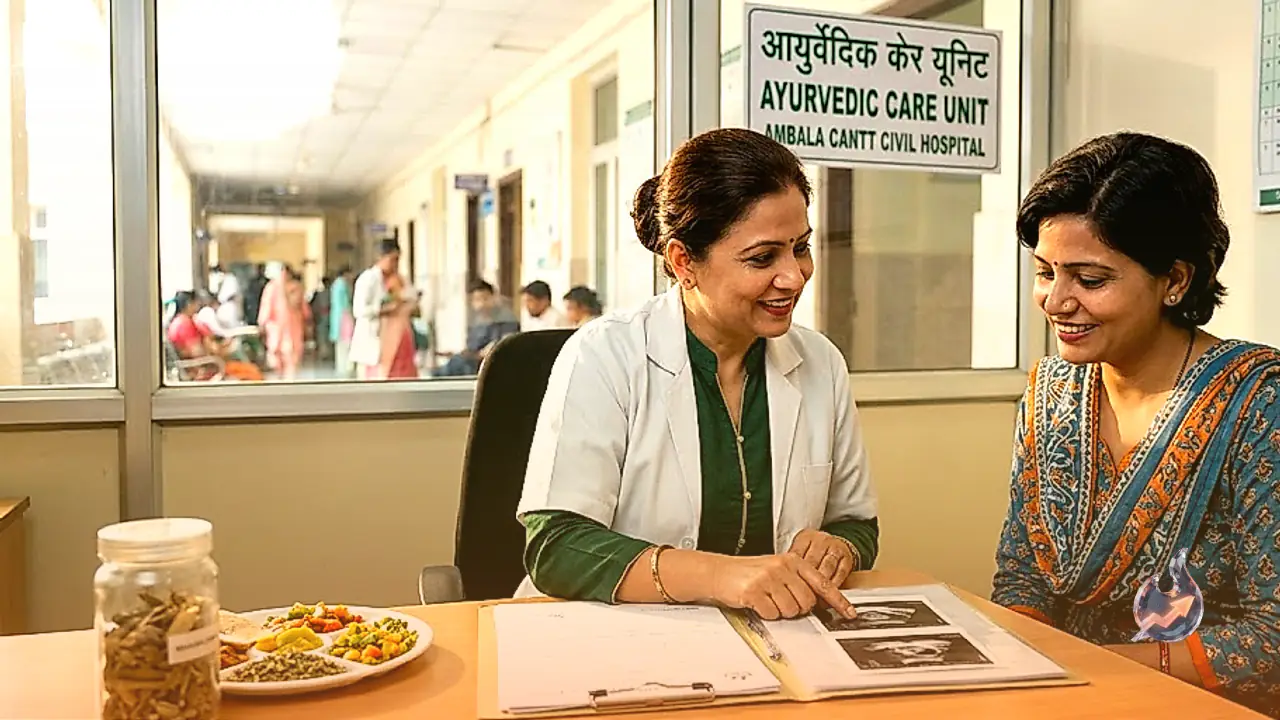


















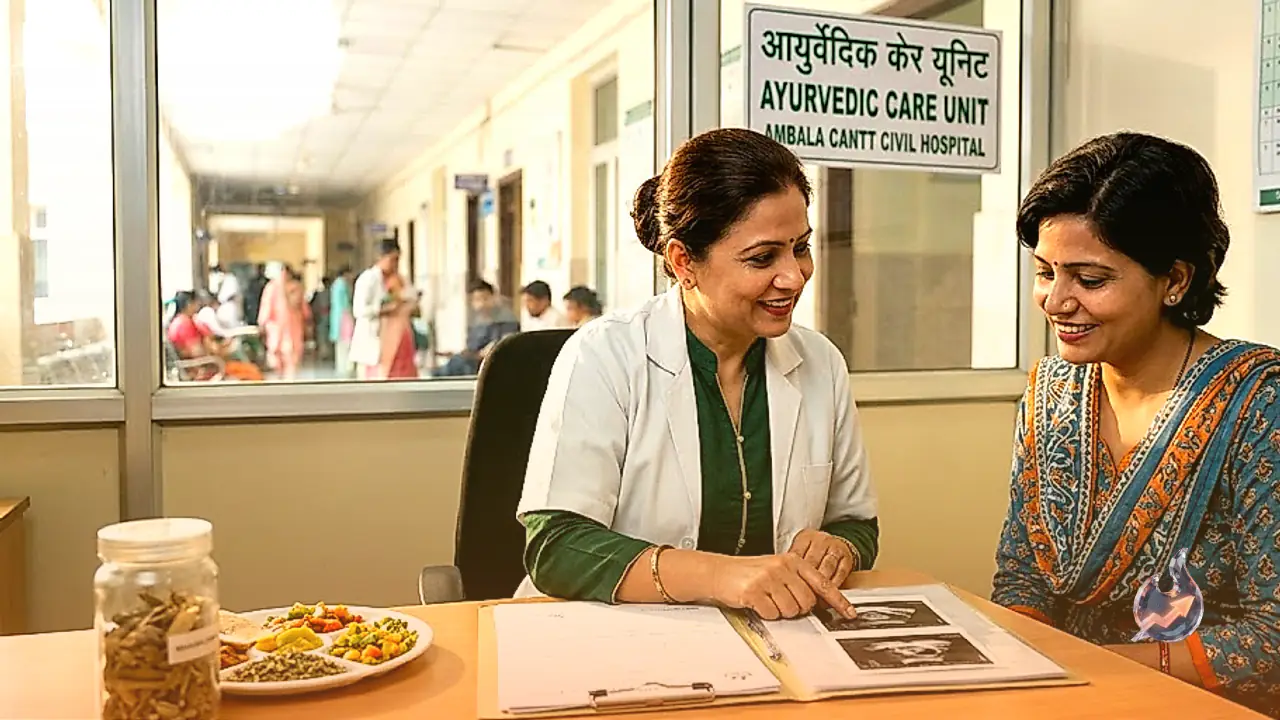

A sedentary lifestyle and irregular dietary habits are driving a notable rise in digestive disorders, particularly gallbladder stones. When diagnosed with gallstones, patients are frequently advised to undergo surgery, which often causes considerable anxiety for patients and their families. However, an encouraging case from the Ayurvedic wing of the Civil Hospital in Ambala Cantt highlights how traditional therapeutic methods combined with dietary discipline can deliver substantial relief. A patient being treated at the facility witnessed a 14.7 mm gallstone shrink down to 6.5 mm in follow-up medical imaging.
Gallstone Cases Expanding Beyond the Usual Demographic
Dr. Jitendra Verma, an Ayurvedic medical practitioner stationed at Ambala Cantt Civil Hospital, observed that gallstone conditions are being diagnosed with growing regularity. Historically, the ailment has been far more prevalent among women around 40 years of age. In recent times, however, an increasing number of male patients are also presenting with the same complication. Unhealthy modern routines and inconsistent meal times serve as major contributing factors. Furthermore, elevated cholesterol levels within the body are recognized as a central trigger in the crystallization and development of gallstones.
The hospital's Ayurvedic outpatient clinic regularly receives individuals who were earlier recommended surgical removal of the gallbladder by other medical centers. In these clinical situations, careful regulation of everyday nutrition and lifestyle changes are considered just as crucial as medicinal prescriptions.
Recommended Dietary Restrictions and Natural Formulations
Patients battling gallbladder issues are strongly advised to eliminate refined flour, processed foods, refined oils, excess sugar, gram flour products, and overly sour items from their meals. These food groups can aggravate digestive imbalances and disrupt healthy bile flow. Instead, Ayurvedic interventions focus on therapeutic herbs and restorative dietary habits. Under proper clinical supervision, remedies such as patharchatta, mulethi, varun bark, and fresh lemon water are utilized to support liver and digestive health. Medical professionals emphasize that none of these preparations should be consumed without an individualized evaluation and prescription from a qualified doctor.
Stone Measurement Decreases From 14.7 mm to 6.5 mm
The documented case involves Anil Gupta, a resident of a village located in Kurukshetra district, who began his Ayurvedic therapy in the year 2024. Clinical examinations had revealed multiple stones of varying dimensions in his gallbladder, the largest of which measured approximately 14.7 mm. The condition caused recurrent abdominal pain, severe acid reflux, sour belching, and excess salivation.
According to Dr. Verma, approximately three months of tailored herbal treatment alongside disciplined nutritional modifications produced marked improvement, leading the patient to pause his therapy when symptoms faded. When discomfort subsequently returned, he underwent fresh ultrasound diagnostics and returned to the clinic. The updated ultrasound findings revealed that the largest stone had reduced significantly, shrinking from 14.7 mm to 6.5 mm.
Relief Found Through Inexpensive Public Healthcare
Reflecting on his journey, patient Anil Gupta explained that multiple stones had caused immense physical distress and disrupted his daily life. His family had consulted various healthcare institutions, all of which insisted on surgical intervention. He had also sought medical consultation at PGI before learning about the Ayurvedic services provided at the Ambala Cantt Civil Hospital.
Gupta noted that his treatment commenced after paying just a 5-rupee registration card fee at the government hospital. He strictly adhered to the doctor's dietary guidance and prescribed routines. He now experiences substantial symptomatic relief, supported by clinical scans confirming that his largest 14.7 mm stone has diminished to 6.5 mm.