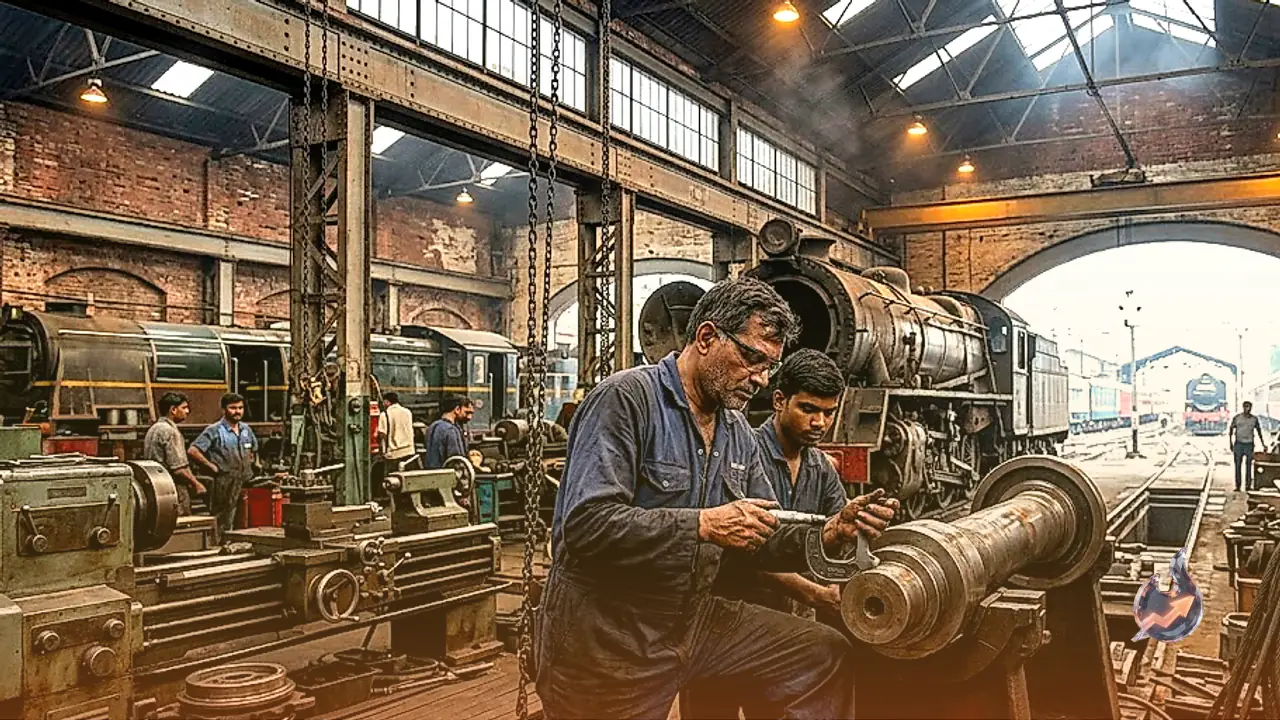



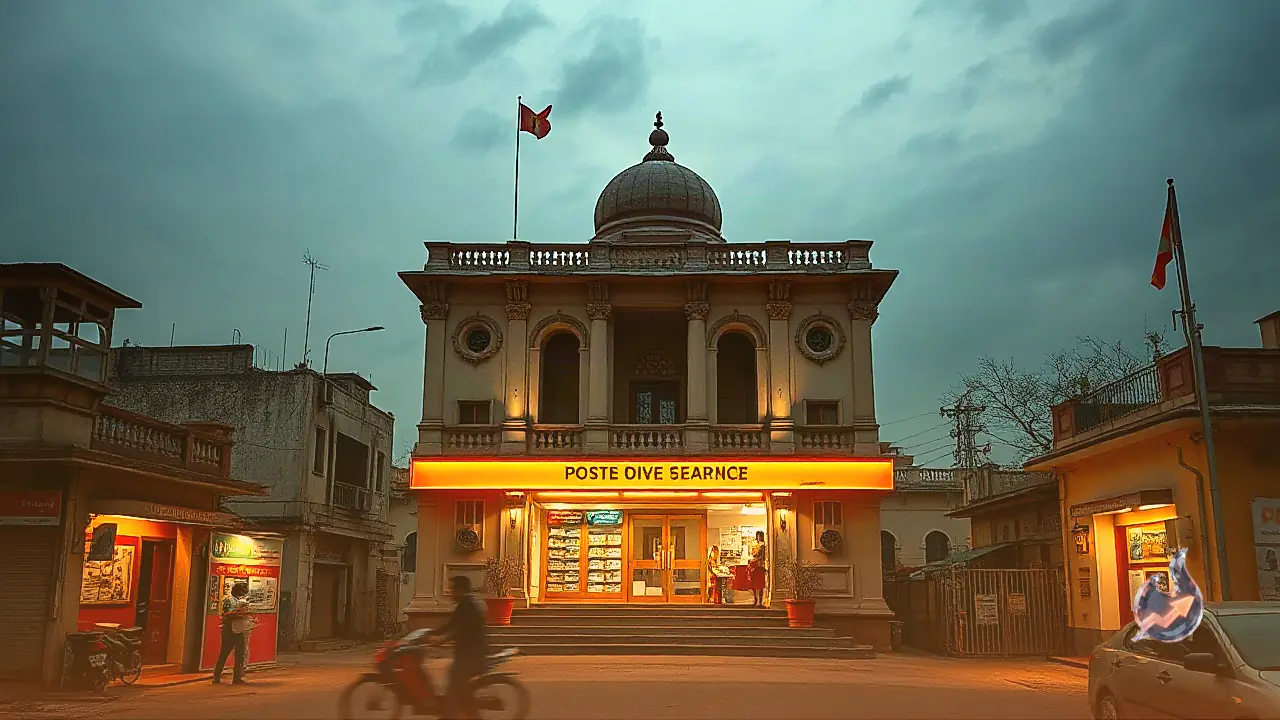
















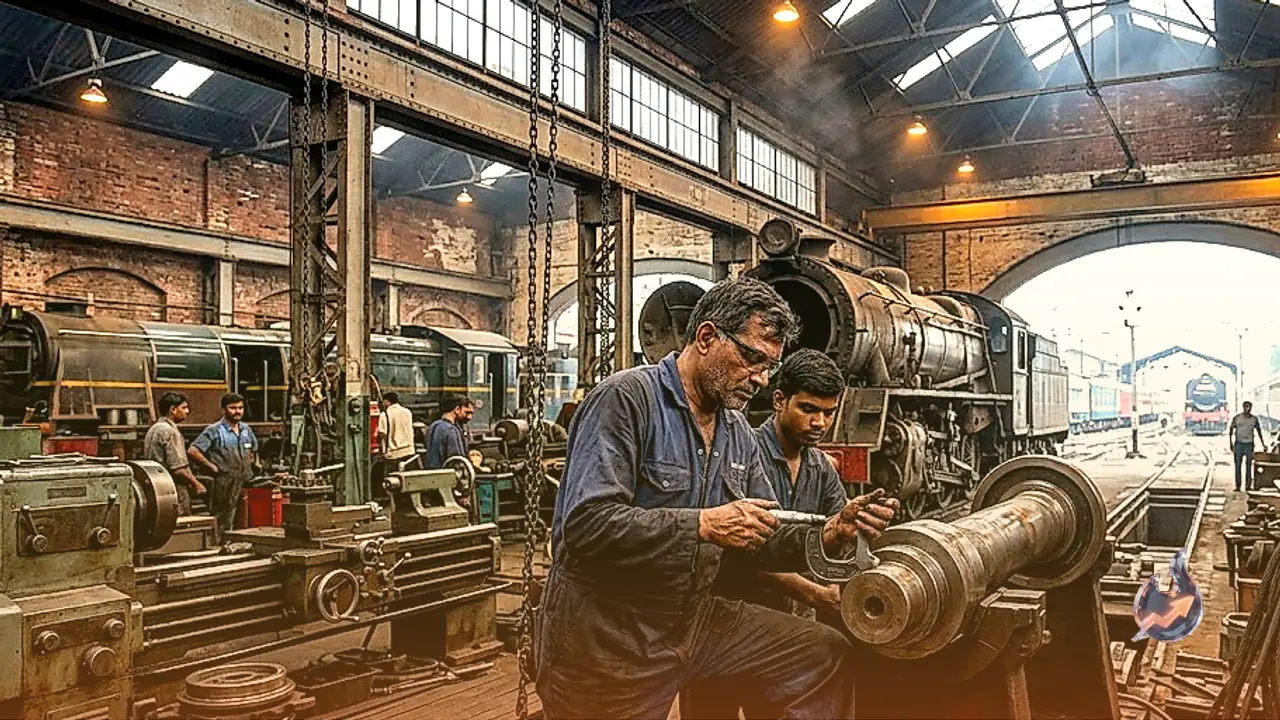

The historic city of Jhansi holds an essential place in India's railway journey, extending far beyond its legacy of bravery and heritage. A central pillar of the city's modern identity is its massive railway workshop, an establishment whose foundations date back approximately 137 years. Originally set up to handle the mechanical demands of an expanding transport network, this facility remains an indispensable destination for the overhauling and servicing of locomotives, passenger carriages, and freight wagons.
The Construction and Inception Between 1889 and 1895
During the late nineteenth century, the colonial administration was aggressively laying track across the subcontinent, turning strategically located towns into crucial transport junctions. It was against this backdrop that British authorities commenced construction work on the railway workshop in Jhansi in 1889. Building the comprehensive industrial setup took around six years. By 1895, the facility opened its doors for active railway operations, undertaking critical maintenance duties on locomotives, coaches, and goods wagons across regional transit lines.
Strategic Geographic Advantage Highlighted by Historians
The decision to build such an extensive engineering facility in Jhansi was driven by compelling logistics. Historian Har Gobind points out that Jhansi occupied a vital geographical crossroads on the rail map, connecting diverse railway routes running in multiple directions. Long railway journeys routinely resulted in mechanical wear and tear, and rolling stock frequently suffered technical snags. Transporting defective coaches or engines to distant cities for minor or major repairs was neither cost-effective nor practical, causing massive operational delays. Setting up the workshop in Jhansi offered immediate, local maintenance capability. Over the ensuing decades, wagon overhauling emerged as one of the workshop's core strengths, elevating its stature across the national network.
Spurring Urbanization and Local Economic Prosperity
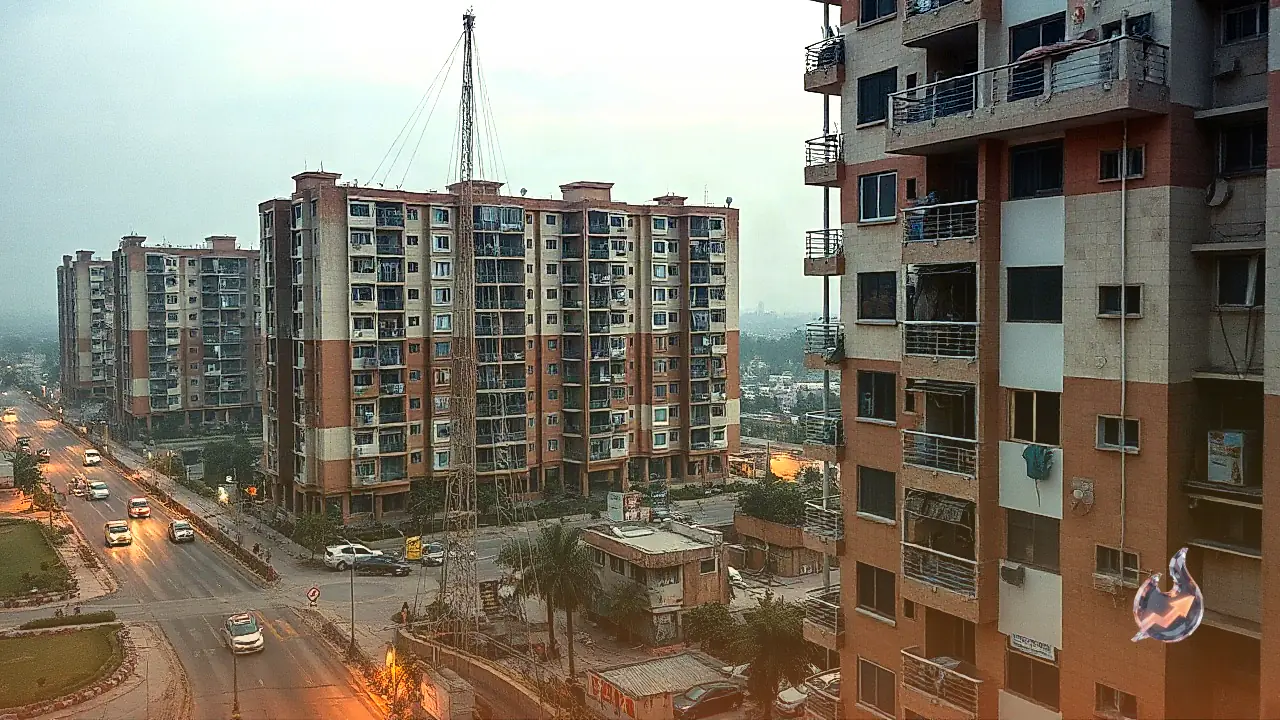
The introduction of the engineering facility exerted a profound transformation on Jhansi itself. Managing such a vast operation required a steady influx of skilled and semi-skilled laborers, engineering staff, and mechanics, which triggered substantial job creation in the region. To accommodate this growing workforce, specialized residential quarters were developed, alongside essential civic infrastructure. Vibrant local markets and commercial pockets naturally mushroomed around the perimeter of the railway campus. What began purely as an engineering station for fixing rolling stock swiftly became the catalyst for Jhansi's broader economic and civic evolution, an enduring role it continues to play today.