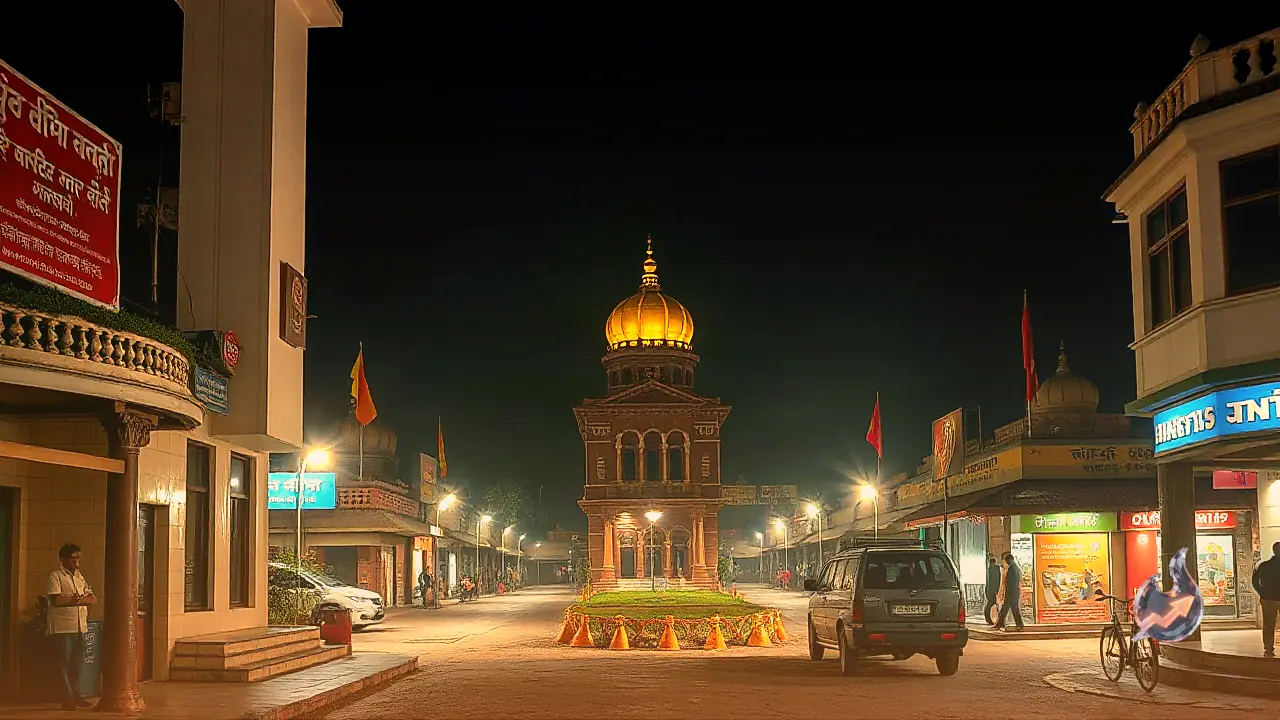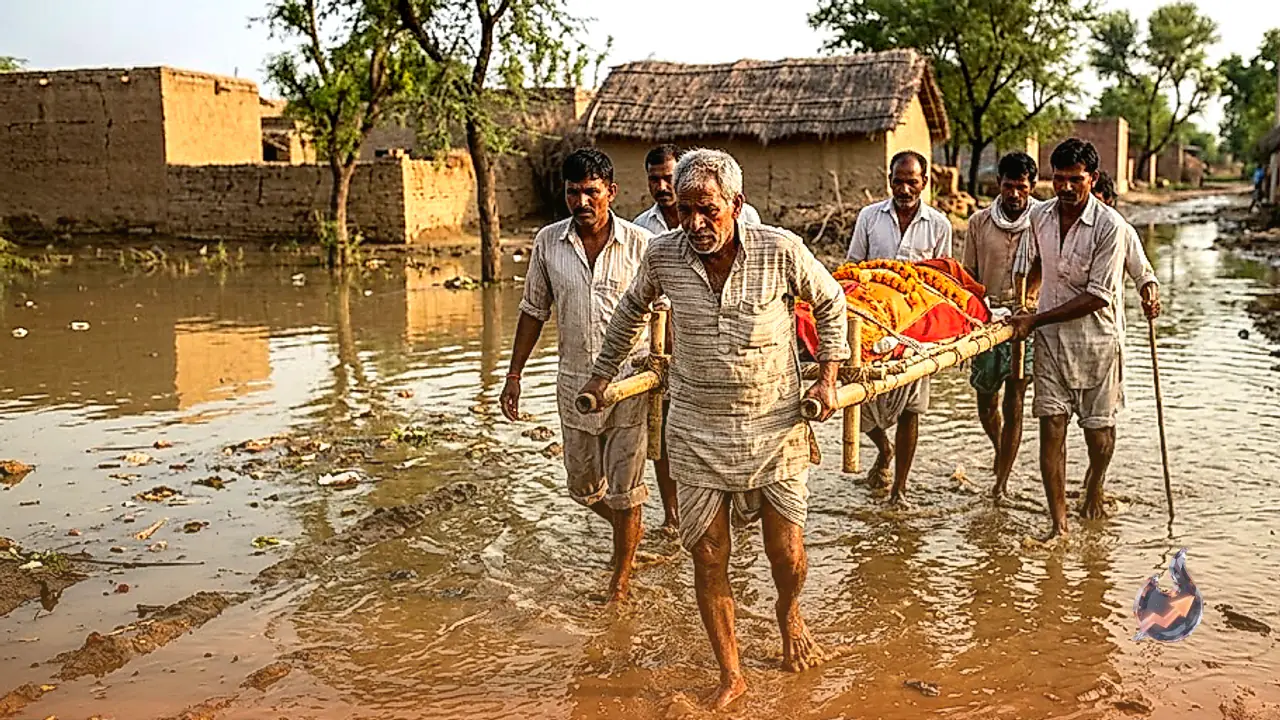
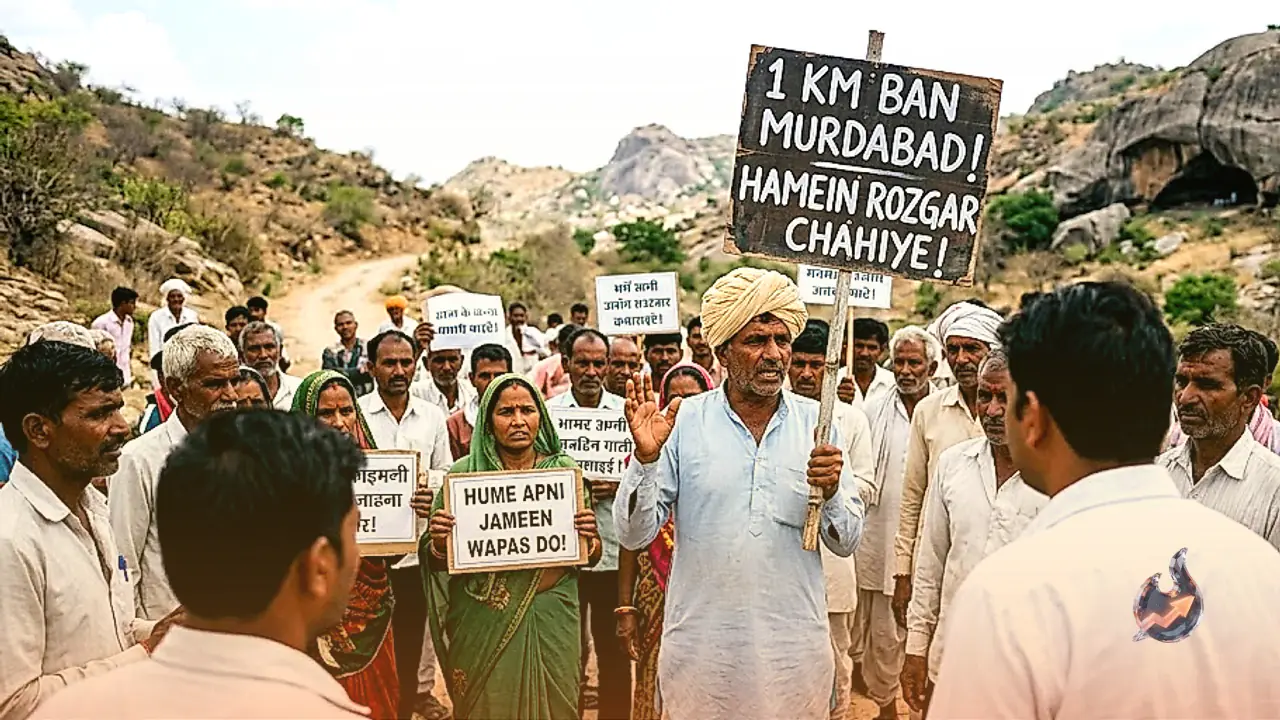


















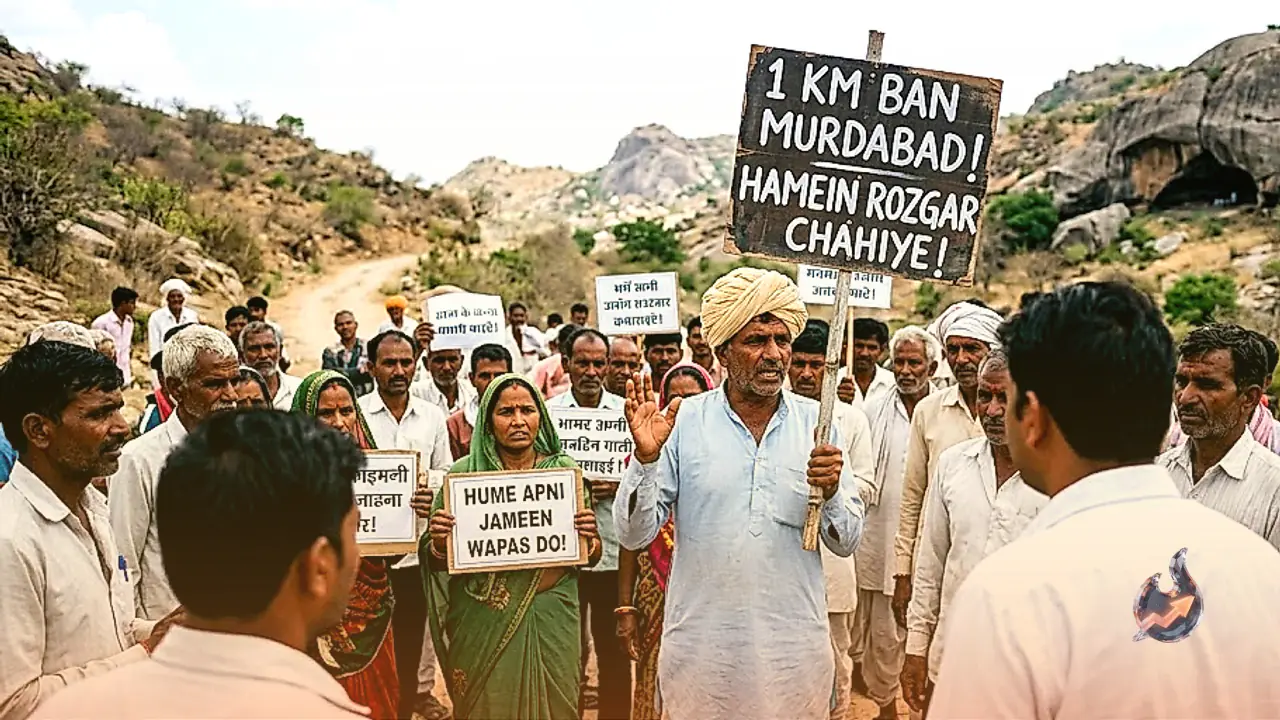

A long-standing harmony between local communities and wild predators in the rugged granite hills of Jawai, situated in Rajasthan's Pali district, has hit a contentious legal crossroad. The rural landscape, famed for peaceful coexistence between villagers and wild leopards, is currently witnessing deep unrest following recent High Court directives that enforce a one-kilometer restrictive perimeter surrounding leopard caves. Local agriculturalists, pastoral herders, and stakeholders in the indigenous tourism sector fear that these sweeping curbs will dismantle their daily sustenance and ancestral way of living. Responding to the unfolding situation, residents across eleven villages throughout the Jawai belt have joined hands to form a unified platform named the Jawai Sangharsh Samiti, launching an organized pushback against the mandated restrictions.
Mobilization of Eleven Villages and Formation of Jawai Sangharsh Samiti
The sudden prospect of strict spatial curbs has mobilized village communities including Balwana, Bisalpur, Pairwa, Jeevda, Sena, Dudni, Mori Beda, Varawal, Raghunathpura, Kothar, and Velar. Inhabitants from these habitations maintain that leopards have peacefully shared geographic space with them for decades without friction. Imposing blanket regulatory boundaries around cave formations under the guise of wildlife preservation, they argue, constitutes a direct blow against their agro-pastoral livelihoods. To safeguard both their survival and their cultural ethos, the eleven villages resolved to build collective resistance under the banner of the Jawai Sangharsh Samiti.
To consolidate community consensus, extensive village gatherings took place at revered regional landmarks. Prominent assemblies convened at the Jeevda Mataji temple, within Sena village, and at the Varawal Hanumanji temple. These pivotal meetings were spearheaded by key grassroots representatives, including Jayendra Singh Galthani, President of the Kisan Sangharsh Samiti; Raghuveer Singh Devda from Bisalpur; Jaswant Singh Galthani; Manmohan Singh Bisalpur, Jodhpur divisional president of Rajput Karni Sena; Sangram Singh Velar; Lokendra Singh Pairwa; Vikram Singh Jeevda; Hupendra Singh Sena; and Rajendra Singh Sena. Hundreds of residents attended these deliberations, unanimously deciding that bureaucratic distance barriers ignore ground realities and severely jeopardize the rural community.
Cultural Reverence and the Heritage of Coexistence
Nestled in the craggy Aravalli ranges, Jawai stands as a globally remarkable territory where fierce big cats and humans dwell side by side in the absence of boundary fences, physical walls, or confinement cages. At sundown, when golden light washes across the granite boulders, leopards emerge openly onto rock perches. Even as grazing cattle pass closely along the foothill slopes, the animals regard each other without panic or mutual hostility. This extraordinary dynamic has endured through an unwritten code of mutual non-interference built across generations.
This peaceful balance is deeply rooted in the faith of the local pastoral community, notably the Rabari herders. The local inhabitants do not view leopards merely as wild beasts or dangerous carnivores; rather, they revere them as the holy mount of the local deity, Mataji, and as natural guardians of the sacred hills. Thanks to this spiritual reverence, villagers have consistently avoided encroaching on the animals' resting dens, while the leopards have historically refrained from invading human residential zones or causing bloodshed. The bond presents a rare global model where wildlife conservation has flourished through indigenous faith rather than coercive enforcement.
Severe Threats to Farming, Grazing, and Local Tourism
Speakers at the community meetings emphasized that a strict one-kilometer exclusion zone around every leopard cave would virtually freeze economic and domestic activity throughout the Jawai belt. Numerous family-owned farms lie directly within the foothill topography, and regulatory restrictions could disrupt routine farming operations, access to irrigation, and transport of farm produce. Furthermore, pastoralists depend on these hillside tracks for daily livestock grazing, meaning any official entry curbs would leave their herds without grazing pastures.
Beyond traditional agriculture, the emerging eco-tourism and leopard safari sector in Jawai provides direct and indirect livelihoods to scores of local youths, safari drivers, and homestay operators. Community leaders pointed out that imposing such blanket prohibitions would stall regional growth, alienate the very people who have faithfully protected the wild cats, and replace mutual trust with bureaucratic hostility.
Submission of Memorandums and Threat of Escalated Agitation
Charting their next course of action, the Jawai Sangharsh Samiti resolved to present a peaceful, detailed memorandum to the District Collector in Pali in the coming days. Through this formal representation, the committee plans to convey the community's practical difficulties to the state government and judiciary, urging authorities to rethink the one-kilometer mandate and respect the native socio-ecological equilibrium.
The leaders and villagers have issued a collective warning that if their legitimate concerns are ignored and arbitrary curbs remain enforced, they will have no choice but to broaden their agitation across the district. The residents affirmed that they stand ready to wage a sustained democratic struggle to protect their livelihoods, land, and ancestral way of living alongside their revered wildlife.