























As the monsoon begins to recede and the atmosphere turns cooler, September marks a crucial period of seasonal transition across the Indian subcontinent. Shifting weather patterns bring changes in daily dietary requirements, making it essential to phase out heavy, packaged, or overly fried meals in favor of fresh, locally grown produce. Incorporating vibrant seasonal fruits and vegetables into daily meals not only supports immunity during seasonal changes but also ensures optimal nutrition, as advocated by the Food Safety and Standards Authority of India (FSSAI).
Essential Green Vegetables to Eat During September
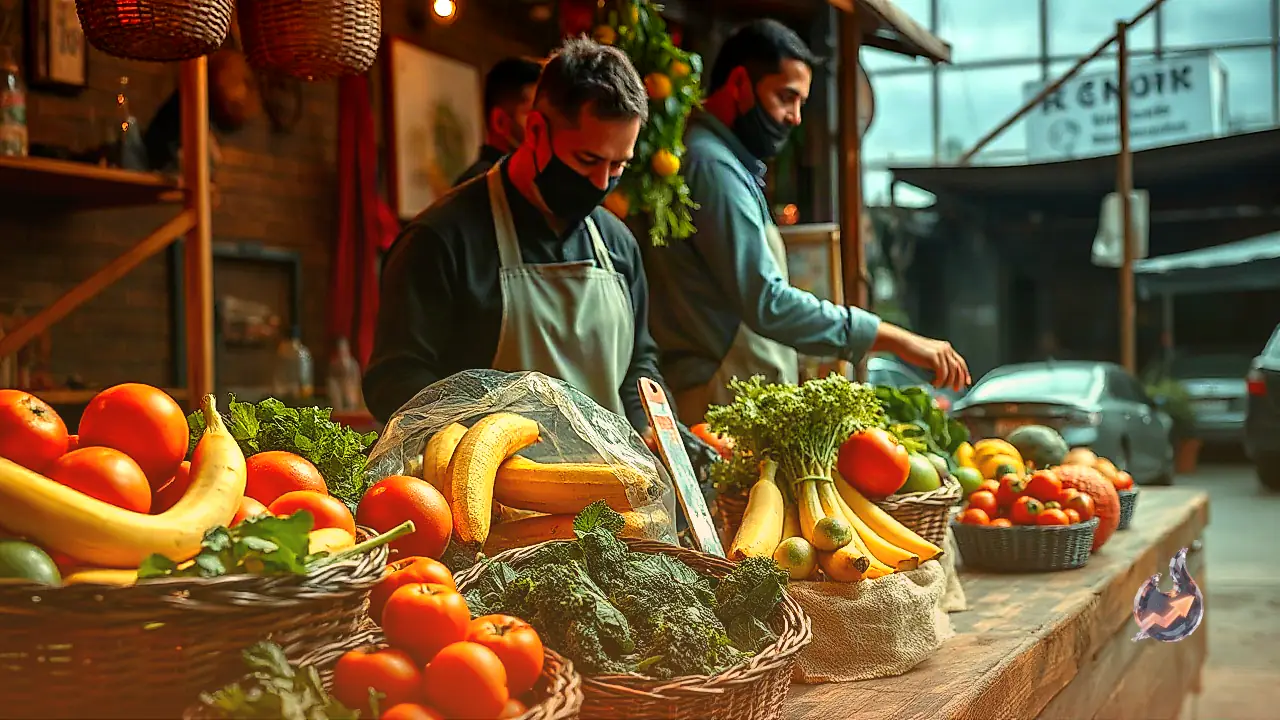
The month of September offers an abundant variety of traditional local vegetables in retail markets. According to the Seasonal Vegetable Calendar issued by FSSAI, brinjal (eggplant) harvest extends from September through November, while bottle gourd harvesting in several regions spans from October to December. Depending on regional agricultural practices and local weather conditions, these timelines can vary slightly across different states.
In addition to traditional gourds and nightshades, leafy greens such as spinach and fenugreek (methi) provide vital dietary fiber and essential micronutrients. However, because September follows heavy rainfall, humidity levels remain elevated, increasing the risk of bacterial contamination on surface leaves. It is strongly recommended to wash all leafy greens meticulously under running water before cooking them thoroughly to ensure safety and hygiene.
Arrival of Early Winter Vegetables in Agricultural Fields
September also signals the commencement of the sowing season for several major winter crops across farms. As outlined in FSSAI guidelines, farmers begin sowing carrots between August and October, while green peas and radishes are typically sown during September and October. Similarly, the cultivation schedule for cauliflower and cabbage highlights sowing periods throughout September and October.
This overlapping cultivation schedule means that fresh stocks of winter produce gradually start appearing in market stalls, although peak availability varies from region to region depending on local climate cycles. Consumers can look forward to increasingly fresh supplies of these staple vegetables as autumn progresses.
Nutritious Fruit Selections for Late Monsoon and Early Autumn
Fresh fruit choices during September offer high nutritional value, featuring widely accessible fruits like guava, banana, papaya, apple, and pomegranate. Consuming whole fruits delivers key vitamins, dietary fiber, and essential antioxidant compounds that support digestive health and overall wellness. FSSAI emphasizes eating whole fruits rather than drinking extracted fruit juices, as whole fruit preserves natural dietary fiber that juice processing strips away.
Another seasonal specialty that arrives in markets during September is custard apple (sitafal/sharifa). Guidelines from the Indian Council of Agricultural Research (ICAR) indicate that custard apples mature between August and September. Renowned for their unique sweetness and rich texture, custard apples can be enjoyed fresh or used to prepare various culinary items, including thick milkshakes, custards, and dessert preparations.
Hygiene Practices for Safe Fruit and Vegetable Handling
Maintaining proper hygiene while purchasing and handling produce is paramount in September due to residual monsoon moisture and high humidity, which accelerate spoilage and bacterial growth. Shoppers should strictly avoid purchasing pre-cut fruits or produce left exposed in open air for long durations. Thoroughly washing all fruits and vegetables prior to peeling or slicing eliminates surface contaminants, and preparing them immediately before consumption helps maintain maximum freshness and food safety.