






















Educational aspirations for numerous Bangladeshi youth turned into uncertainty after they discovered crucial financial benefits were missing from their official selection documents. What was initially promoted as a fully financed scholarship program turned out to offer far more limited support, leaving selected candidates struggling with unannounced expenses.
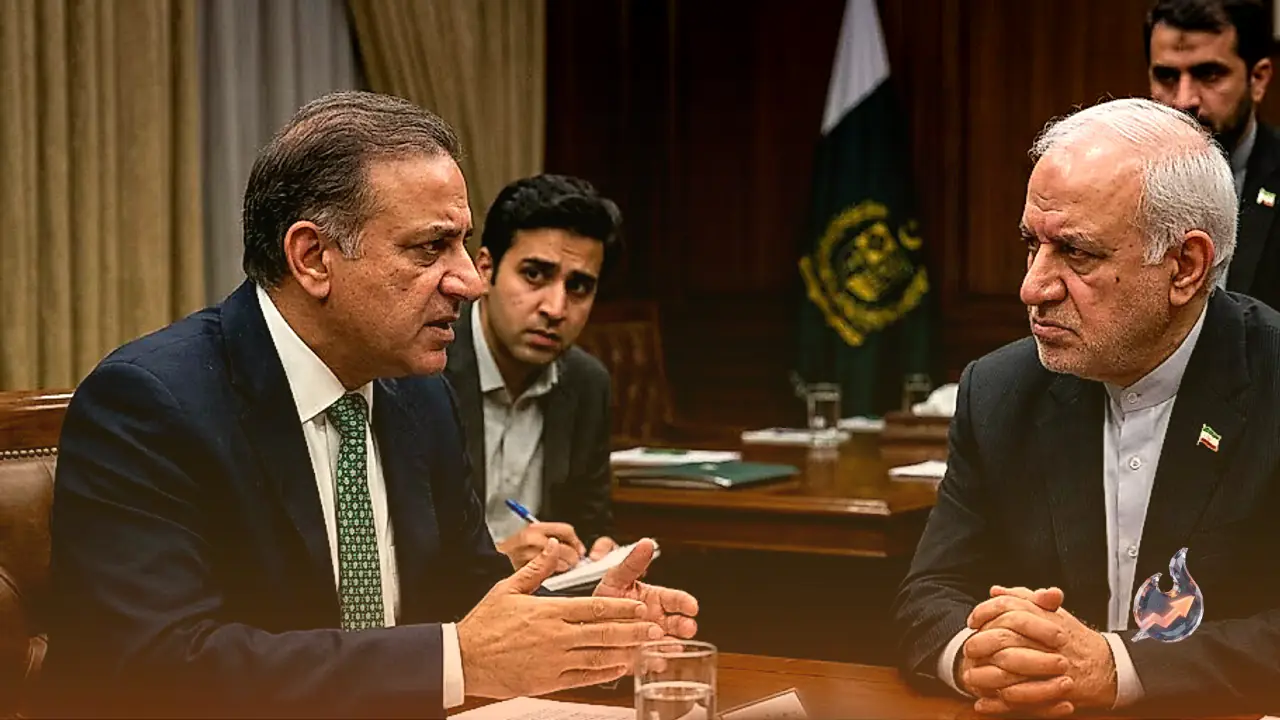
The diplomatic roots of this academic initiative trace back to August of last year, during a visit to Dhaka by Pakistan Deputy Prime Minister and Foreign Minister Ishaq Dar. The two nations established the Knowledge Corridor framework to boost higher education ties, research collaboration, and people-to-people connections, with implementation managed by the Higher Education Commission of Pakistan.
That diplomatic journey marked a significant milestone, representing the first visit by a Pakistani foreign minister to Dhaka in approximately 13 years. The previous visit to the Bangladeshi capital by a Pakistani foreign minister occurred in 2012, when then-Foreign Minister Hina Rabbani Khar made the trip.
Under the framework of the Knowledge Corridor, authorities had promised a total of 500 full scholarships over a span of five years for students pursuing bachelor, master, and doctoral degrees. Promotional materials circulated at the time explicitly stated that participants would receive complimentary round-trip airfare.
These comprehensive financial benefits were widely advertised through notices issued by the High Commission of Pakistan in Dhaka, the Higher Education Commission, and various education fairs held across the region.
During the initial phase of the program in February, approximately 74 Bangladeshi students arrived in Pakistan in multiple groups to begin their academic terms at various universities. Subsequently, the second phase commenced in May through the Pakistan Education Expo, inviting a fresh round of applications from prospective scholars.
However, applicants selected for master degree programs during this second wave discovered during the final stages of admission that the promised comprehensive funding had been significantly scaled back. Instead of a fully financed package, their letters indicated that only tuition fees and housing accommodations would be waived.
According to senior Bangladeshi journalist Salah Uddin Shoaib Choudhury, candidates expressed deep frustration over the discrepancy. Students noted that because official notices and promotional posts consistently described the scholarships as fully funded from the outset, they patiently endured a lengthy application, examination, and selection procedure.
One affected applicant pointed out that discovering the omission at the very end of the admissions journey was disheartening. The student argued that if full financial backing was not feasible for master studies, administrators should have clarified those limitations at the very beginning of the application window.
Ashraful Islam Rumman, a master student selected to study at PAF-IAST in Haripur, highlighted the stark contrast between promotional promises and his actual offer letter. He noted that the Knowledge Corridor advertising explicitly promised tuition coverage, housing, travel expenses, a monthly stipend, and a settlement allowance.
In practice, however, his documentation guaranteed only a complete waiver of tuition fees and accommodation costs, leaving out meals, local transport, visa processing, medical insurance, and other incidental expenses.
Another candidate, Abu Musa, stated that his offer letter similarly lacked provisions for a monthly living allowance, food provisions, health insurance, and return air travel. He emphasized that maintaining an independent academic life in Pakistan without a monthly stipend is virtually impossible for individuals in his financial position.
Abu Musa further alleged that he was redirected to a different university and program than the one he originally applied for, without any prior consultation or discussion regarding the reassignment.
Several other selected scholars echoed these grievances, noting that benefits initially promoted as standard components of a fully funded scheme were absent from their final paperwork. While acknowledging the value of free tuition and lodging, the master candidates stressed that uncertainty surrounding meals, transport, medical coverage, and visa expenses creates severe financial hurdles for their academic pursuits.