























Growing naturally along village pathways and agricultural fields in Gonda, the Jatropha plant appears unassuming yet holds significant attention for its properties. Botanically identified as Jatropha gossypiifolia, the shrub is commonly known in local regions as red castor or wild castor. Within folk medicine and Ayurveda, people have historically utilized its leaves, bark, roots, and latex in limited capacities, but the plant carries inherent toxicity that makes unsupervised consumption potentially hazardous.
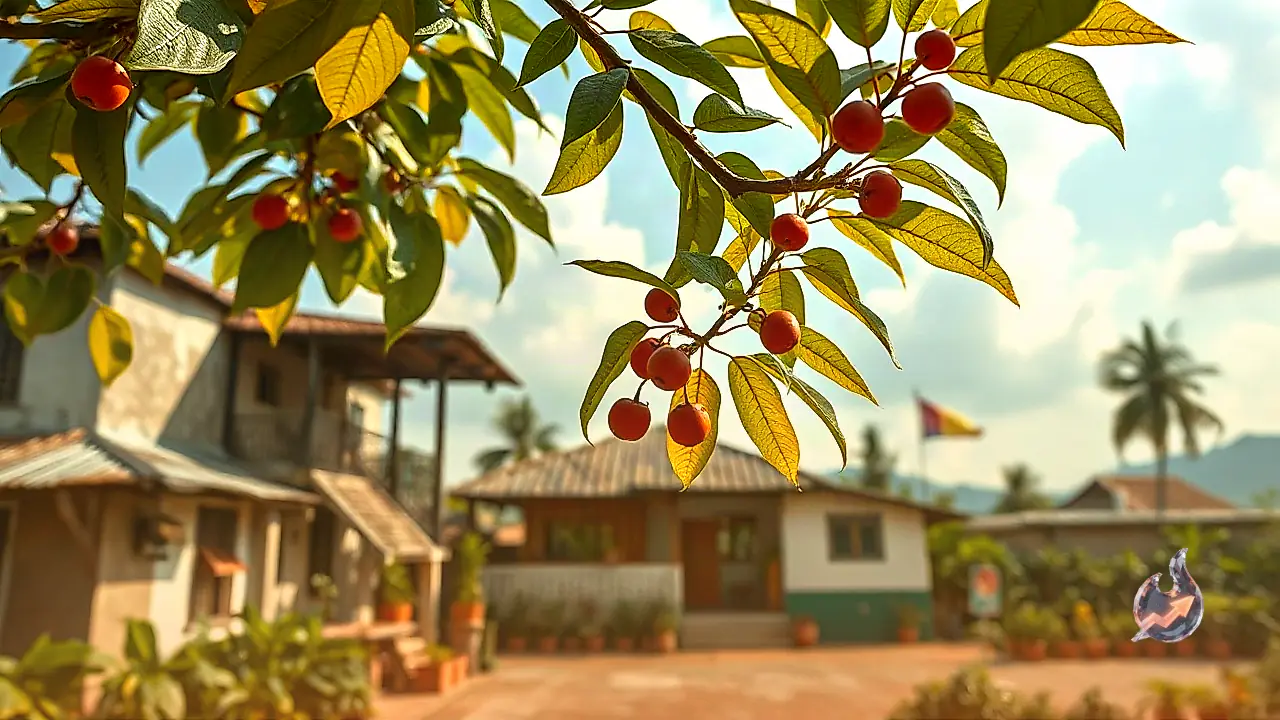
Recognizing the Jatropha plant involves observing its bushy structure, which typically reaches heights between 1 and 3 meters. The leaves display a distinct green and light purple coloration, while the shrub produces small, deep red flowers that eventually develop into round, green fruits. As these fruits mature, their outer color undergoes noticeable changes, helping observers identify the species accurately among wild vegetation.
For treating various dermatological issues, rural communities have traditionally applied oil extracted from Jatropha seeds externally to manage conditions such as eczema, ringworm, itching, and other skin ailments. Ayurvedic practices also document certain applications for the plant, though experts emphasize that utilization should occur strictly under the supervision of a knowledgeable practitioner to avoid adverse reactions.
Regarding wound healing capabilities, Vaidya Vishnu Dutta Prajapati explains that breaking the stems or branches releases a white, milk-like latex. Traditional belief holds that applying this fluid to minor cuts and abrasions helps reduce bleeding and accelerates the drying of the wound. Modern medical science, however, does not regard this traditional application as a substitute for standard clinical treatment.
Rural practices also incorporate the plant for dental hygiene, where villagers have historically used its stems much like a natural toothbrush. According to Vaidya Vishnu Dutta Prajapati, this practice helps clean the gums and provides relief from mild inflammation or toothaches. Nevertheless, maintaining proper dental health requires consulting a qualified dentist rather than relying solely on traditional twigs.
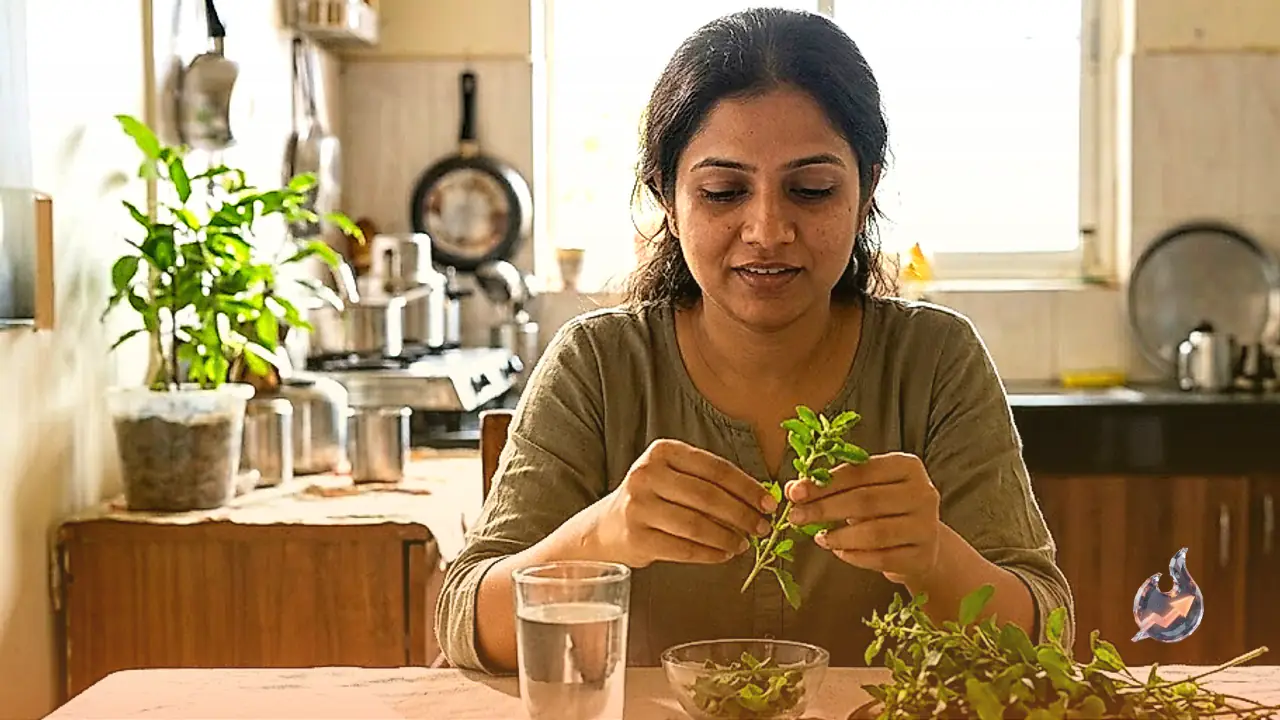
In folk medicine, decoctions made from the leaves found limited application in addressing stomach aches and constipation. However, health experts warn that incorrect dosage can cause severe harm, meaning individuals should never ingest preparations derived from this plant on their own without professional oversight.
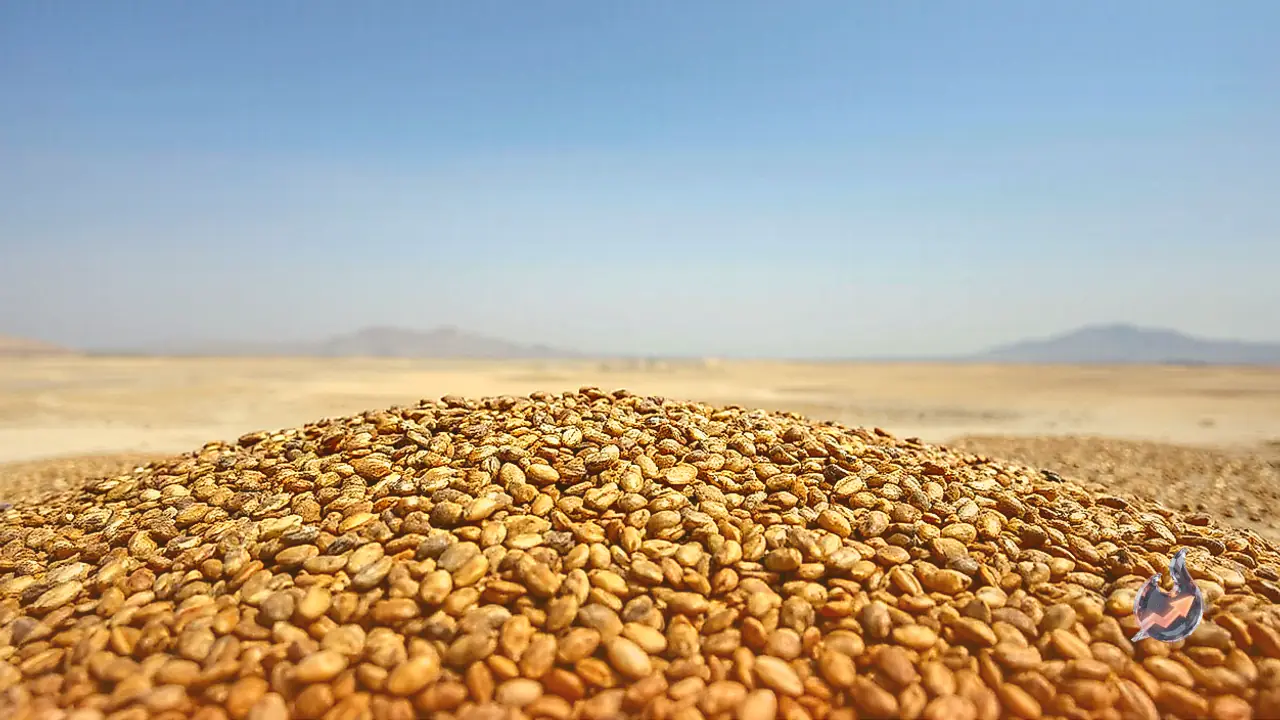
Beyond medicinal applications, Jatropha serves practical agricultural and environmental purposes. Many farmers plant the shrub along field boundaries, where its robust root systems help control soil erosion. Additionally, researchers in various regions have explored the potential of utilizing its seeds for biofuel production.
Highlighting the most crucial safety aspect, Vaidya Vishnu Dutta Prajapati notes that the plant is poisonous, with its green seeds and unripe fruits posing the highest level of toxicity. Ingesting these parts can trigger severe medical emergencies characterized by vomiting, diarrhea, intense abdominal pain, and dehydration. The seeds present a particular hazard to young children and domestic animals.
As a final warning, Vaidya Vishnu Dutta Prajapati stresses that internal consumption of Jatropha must never take place without consulting a qualified Ayurvedic physician or medical doctor. Treating ailments with this plant as a casual home remedy is unsafe. Anyone with the shrub growing near their property should maintain clear identification of the plant, ensure external applications follow expert guidance, and keep the toxic seeds completely out of the reach of children.