

















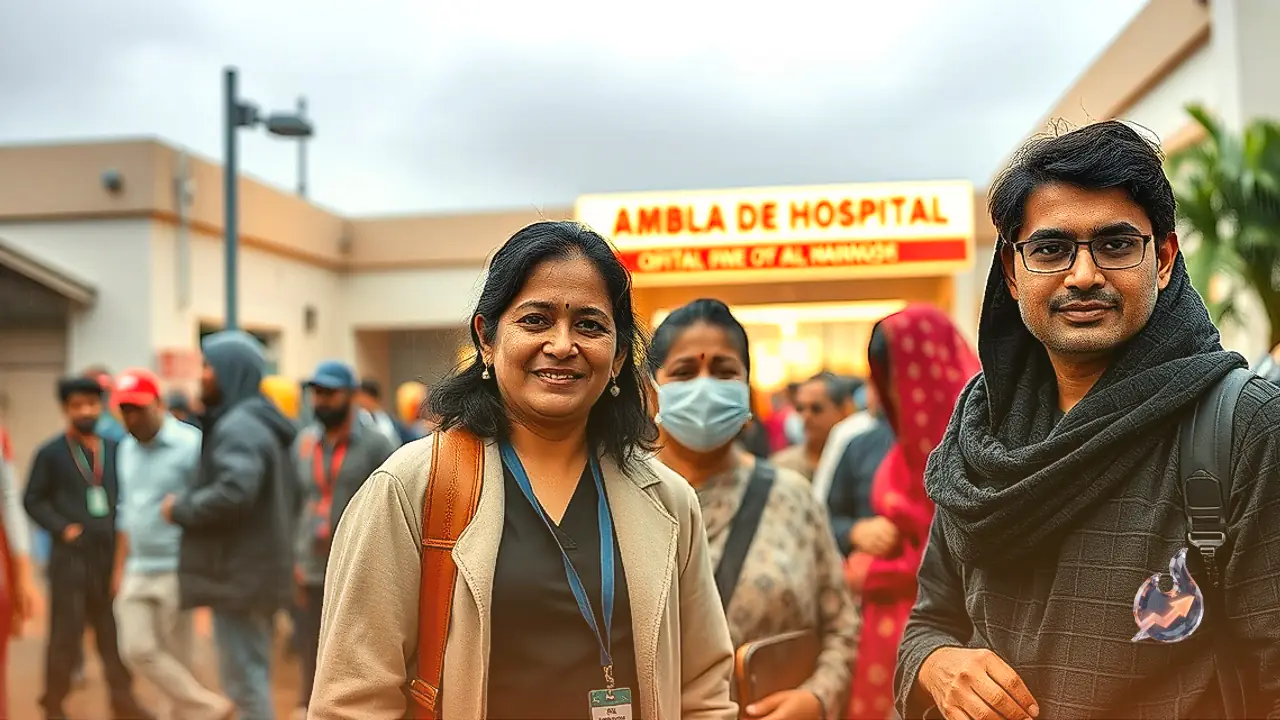

Continuous rainfall and fluctuating weather conditions across Haryana have offered relief from the summer heat, but they have also triggered a significant surge in seasonal illnesses in Ambala. High environmental humidity, stagnant rainwater, and exposure to contaminated water sources have created ideal conditions for infections to spread rapidly. The OPD at the Ambala District Civil Hospital is experiencing a heavy influx of patients every day, with the General OPD and Dermatology departments recording the highest turnout. Visitors are presenting with symptoms including cough, cold, fever, throat infections, skin ailments, and eye irritation.
Rise in Viral Infections and Respiratory Distress
Dr. Rajita, a homeopathic physician at the Ambala City Civil Hospital, noted that the sudden shift in weather has directly contributed to the rising number of viral infection cases. A large portion of patients arriving at the hospital OPD report suffering from persistent cough, runny nose, and body fever. Healthcare experts warn that fluctuating temperatures weaken the immune response, making individuals more vulnerable to airborne and waterborne pathogens during the rainy months.
Water Safety and Hygiene Precautions
To prevent seasonal health complications, medical professionals emphasize the need for strict personal hygiene and dietary adjustments. Dr. Rajita advised residents to pay close attention to drinking water safety, as municipal and local water lines face an increased risk of contamination after heavy downpours. Boiling drinking water before consumption is recommended as the most effective protective measure. Additionally, frequent handwashing and avoiding prolonged stay in rain-drenched clothes are vital steps to prevent illness.
Avoiding Street Food and Fried Items
Digestive and throat infections tend to peak during the rainy season due to bacterial growth on exposed food items. Doctors strongly advise against consuming roadside food and oily or deep-fried dishes. Eating fresh, light, and home-cooked meals helps maintain digestive health and keeps the body's defenses intact throughout the monsoon.
Bacterial Infections in Children vs Fungal Cases in Adults
Skin conditions have emerged as a major health concern during this period. According to Dr. Rajita, children are predominantly coming down with bacterial skin infections, whereas adult patients are largely suffering from fungal infections. High humidity, excessive perspiration, wearing damp clothes for extended hours, and improper skin hygiene are the primary drivers of these skin disorders. To mitigate these risks, doctors advise wearing loose cotton garments, keeping the skin clean and dry, and refraining from sharing personal belongings such as towels or clothing items.
Home Remedies and Symptom Relief
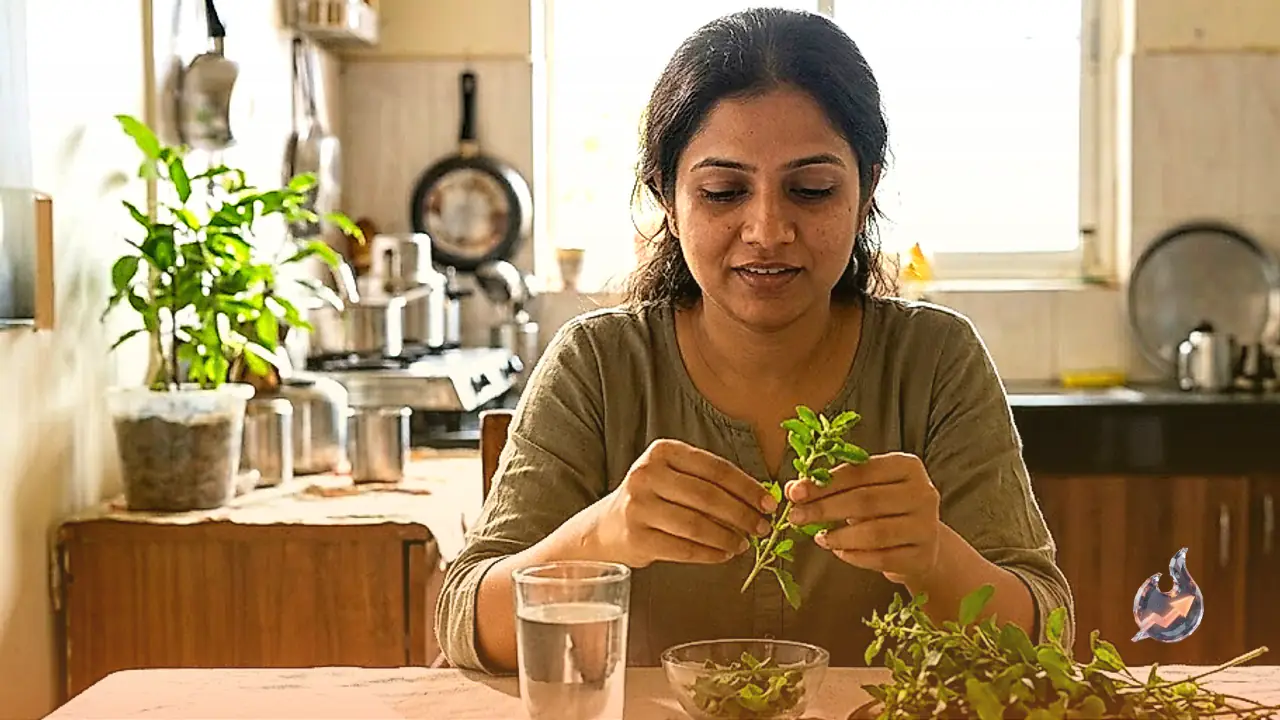
For mild throat discomfort or irritation, gargling with warm salt water provides fast relief. Patients are also encouraged to maintain adequate hydration by consuming sufficient fluids throughout the day. Traditional warm concoctions made from ginger, tulsi (basil), and black pepper can help soothe mild cold and cough symptoms, while warm turmeric milk at night supports recovery.
Caution Against Self-Medication and Affordable Care
While basic home remedies offer temporary comfort, Dr. Rajita cautioned that they should not replace professional medical treatment if symptoms persist or worsen. High fever, shortness of breath, continuous coughing, or spreading skin lesions require immediate evaluation by a qualified doctor. Patients in Ambala can access expert medical consultation at the Civil Hospital for an OPD registration fee of just ₹5. Timely medical advice, hygiene maintenance, and safe drinking water remain the best defense against monsoon health hazards.