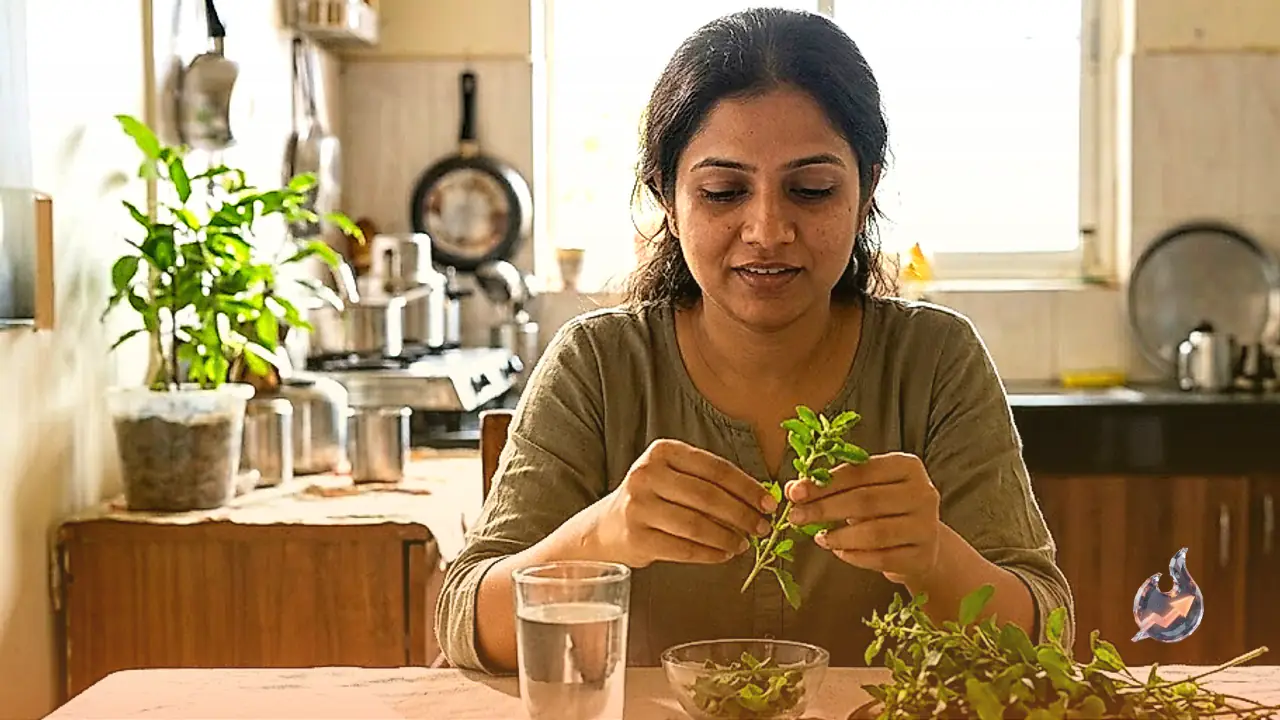

























Neem has long held a revered status in traditional Indian medicine and healthcare practices. Packed with powerful antibacterial and antifungal properties, its leaves offer various health benefits for skin and overall wellness. However, using this natural botanical resource requires proper understanding, caution, and expert guidance rather than treating it as an absolute cure for every health issue. Misusing neem or consuming it excessively can lead to unwanted health complications.
Managing Monsoon Skin Irritations and Fungal Issues
During the rainy season, elevated humidity levels and persistent sweating frequently trigger skin problems such as itching, rashes, and localized irritation. A well-known traditional remedy involves boiling fresh neem leaves in water, allowing the liquid to cool down completely, and using it to wash the affected skin areas. This process helps thoroughly clean the skin surface and provides a refreshed feeling. Nevertheless, this gentle washing routine should not be mistaken for a permanent clinical solution to skin infections. If skin redness worsens or burning sensations increase after application, individuals must immediately discontinue using the neem water and consult a qualified dermatologist.
Similarly, applying neem paste or neem-infused water has been a long-standing domestic approach for dealing with ringworm and other fungal infections. However, natural applications may not guarantee the complete elimination of a persistent fungal growth. In many instances, dedicated prescription antifungal treatments are essential for complete recovery. Because fungal conditions like ringworm are contagious and can easily spread, maintaining dry skin in the affected area and strictly avoiding the sharing of personal towels, clothes, and bedding are vital preventive steps. If the infection continues to spread or intensify, seeking expert medical advice is necessary rather than relying solely on home remedies.
Promoting Oral Health Through Traditional Neem Twigs
The practice of using fresh neem twigs as natural toothbrushes has been a staple of daily rural and traditional life for generations. According to Dr. Vandana Tiwari, a medical officer with five years of experience at Rajkiya Ayurvedic Chikitsalay Nagar Ballia, traditional neem twigs offer comprehensive oral hygiene benefits. Regular usage helps clean the teeth thoroughly while supporting overall gum health. For individuals experiencing recurrent bleeding gums, toothaches, or inflammation, utilizing neem twigs can provide significant therapeutic relief by reducing oral bacteria and keeping the mouth clean.
Wound Care Precautions and Internal Consumption
While minor skin issues can be managed at home using neem, applying homemade neem paste directly onto open or deep wounds is unsafe. Deep cuts and open injuries demand proper sanitization and professional dressing to prevent bacterial contamination. If warning signs such as pus formation, spreading redness, severe pain, or fever develop, home-based treatments must be paused immediately in favor of professional medical care.
On the other hand, despite its intense bitter taste, chewing a few tender neem leaves on an empty stomach in the morning offers notable health benefits, functioning as a powerful natural blood purifier. However, internal consumption of neem requires strict adherence to safety guidelines, particularly for sensitive groups.
Vital Safety Warnings and Potential Risk to Vision
Consuming neem internally comes with specific health warnings. Children, pregnant women, and individuals currently taking prescription medications should never consume neem in any form without prior medical consultation. Although neem possesses properties that help lower blood sugar levels and eliminate intestinal parasites, it should never replace prescribed medical treatments. Discontinuing prescribed diabetes medication to rely solely on neem can lead to dangerous health complications. Similarly, if intestinal worms are suspected, medical testing and clinical treatment remain the safest course of action.
While neem leaves and bark have been trusted home remedies passed down through generations, moderation is critical. Excessive consumption of neem can lead to serious adverse effects, including potential damage to eyesight and visual impairment. Patients and consumers must always consult qualified medical professionals to ensure safe usage and achieve maximum health benefits without incurring unwanted risks.