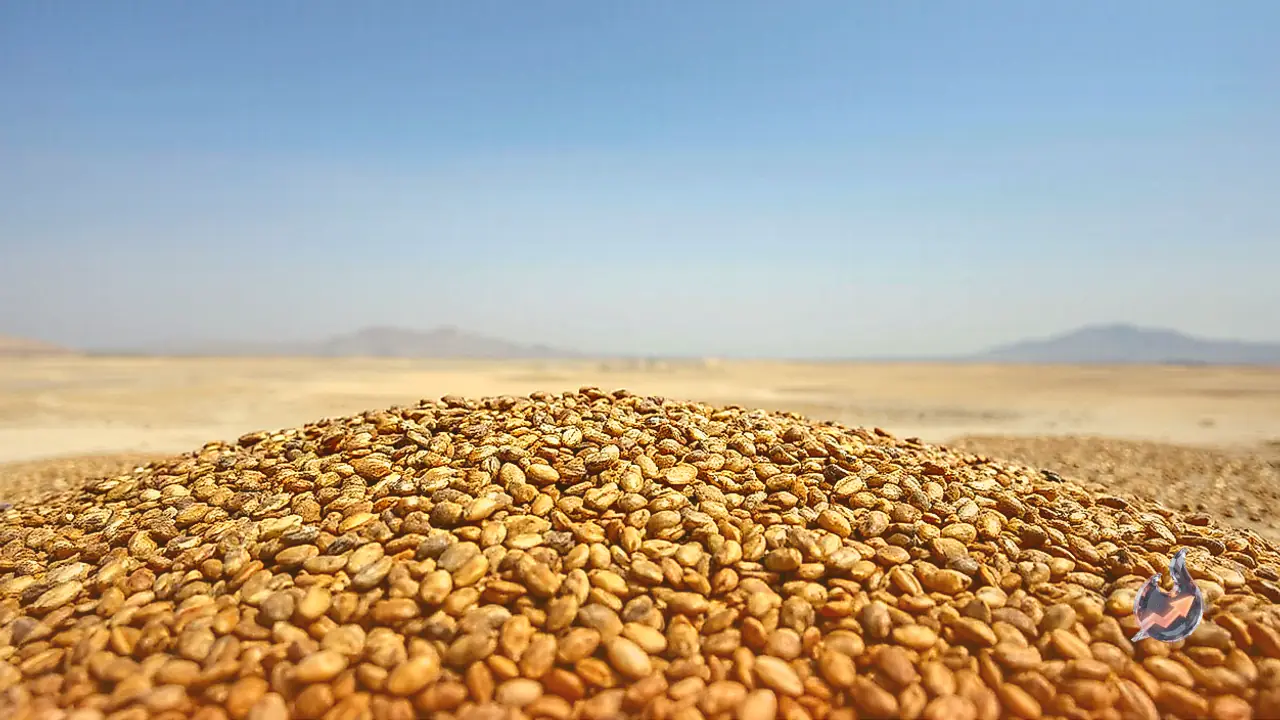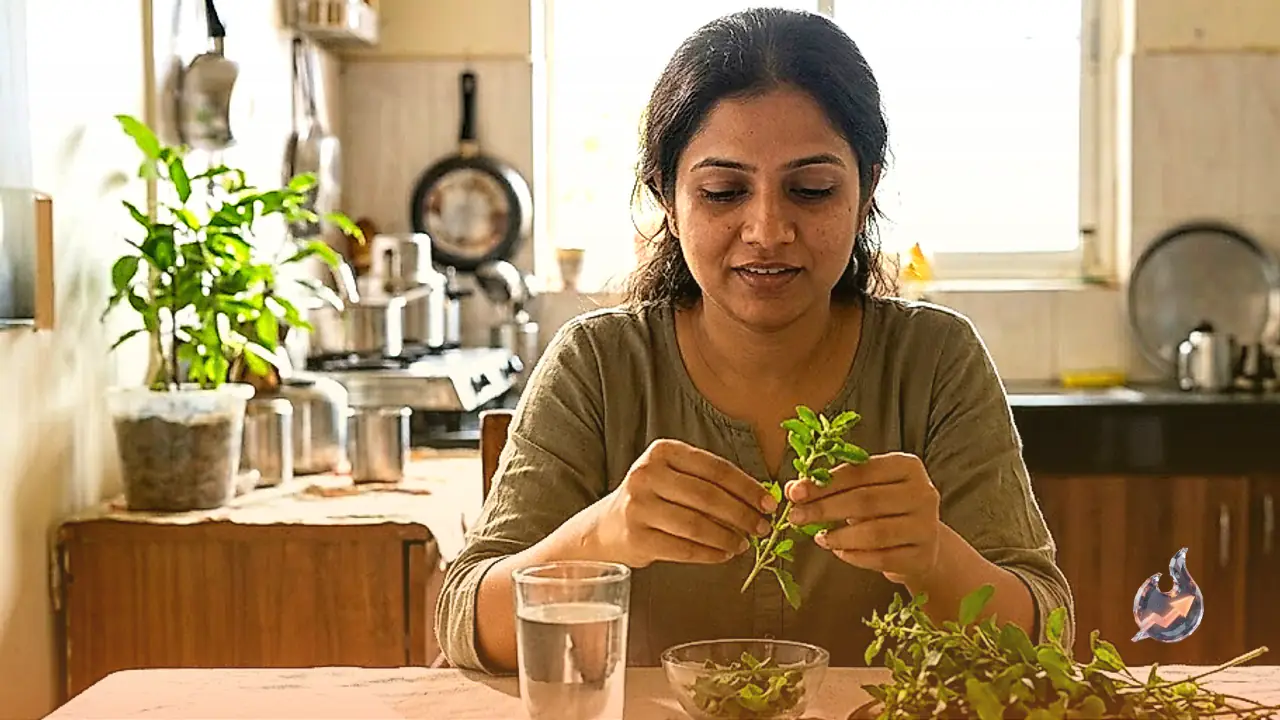






















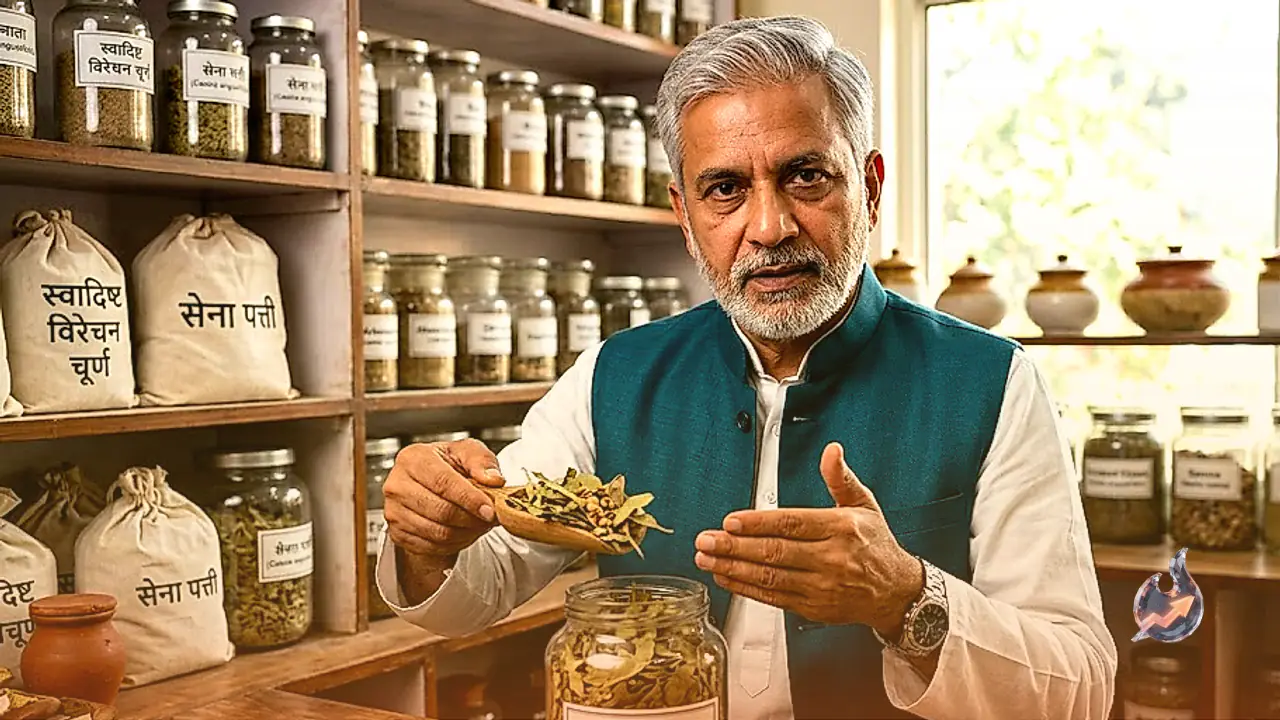

In rural regions and small towns across India, a variety of traditional medicinal plants have long played an essential role in Ayurvedic therapy. Among these prized botanical remedies, the Senna plant holds a prominent position for treating digestive ailments. Derived primarily from its dried leaves and pods, Senna is widely utilized as a natural therapeutic agent for resolving severe constipation. However, medical experts emphasize that this herbal remedy must strictly be consumed in controlled dosages under qualified supervision, as improper usage can lead to adverse health outcomes.
Therapeutic Properties of Senna Leaves and Pods
In the system of Ayurveda, Senna is recognized as a potent botanical intervention capable of providing swift relief from bowel irregularities. According to Vaidya Vishnu Dutt Prajapati, an Ayurveda specialist, Senna is a small shrub whose dried leaves and seed pods contain rich medicinal properties. When individuals experience persistent bowel stiffness or suffer from constipation lasting several days, practitioners prescribe precise doses of Senna to cleanse the intestinal tract and restore regular digestive elimination.
How Sennosides Impact Intestinal Health and Stool Passage
The laxative efficacy of Senna stems directly from active natural phytochemical compounds known as sennosides found within its leaves. Vaidya Vishnu Dutt Prajapati notes that once ingested, these sennosides interact with the intestinal lining, stimulating peristalsis and enhancing the natural rhythmic movements of the bowels. This biological action softens the stool, rendering evacuation significantly smoother and easier. Consequently, both traditional Ayurvedic practice and modern pharmacology recognize Senna as a short-term laxative for managing acute constipation.
Traditional Usage in Decoctions and Combination Herbal Formulas
It is common for individuals to experience abdominal heaviness, indigestion, or gas following meals. In Ayurvedic practice, Senna is rarely administered in isolation for general digestive discomfort; instead, it is carefully blended with complementary digestive herbs to harmonize its potency and maintain stomach cleanliness. Traditional households in rural areas often prepare decoctions or fine powders from dried Senna leaves. However, because metabolic profiles and health conditions differ from person to person, the appropriate formulation and dose must always be determined by an Ayurvedic practitioner based on the individual's age and health status.
Crucial Precautions and Who Should Strictly Avoid Senna
Due to its intense pharmacological activity, Senna is not universally suitable for everyone. Certain demographic groups and medical conditions require strict abstention from this herbal treatment. Vaidya Vishnu Dutt Prajapati cautions that pregnant women, nursing mothers, and young children should never consume Senna without explicit medical direction. Furthermore, individuals suffering from inflammatory bowel conditions, severe or acute abdominal pain, or ongoing episodes of diarrhea must completely avoid using Senna.
Risks of Overuse, Dependency, and Electrolyte Imbalance
Consuming Senna in excessive quantities or over prolonged periods poses substantial health hazards. Overdosage can trigger painful abdominal cramps, severe diarrhea, physical weakness, and acute dehydration due to fluid loss. Continuous long-term reliance on Senna can disrupt the body's essential electrolyte balance, particularly potassium levels. Over time, such chronic usage damages natural bowel tone, causing the intestines to lose their spontaneous motility and creating an unhealthy dependency on laxatives for normal defecation.
Dietary Adjustments and Sustainable Digestive Health Solutions
Ayurveda specialist Vaidya Vishnu Dutt Prajapati underscores that while Senna is a valuable therapeutic plant, it must not be misconstrued as a daily home remedy. For individuals troubled by recurrent constipation, the fundamental strategy should focus on dietary and lifestyle modifications rather than self-prescribing potent herbs. Consuming ample amounts of water throughout the day, increasing dietary fiber through fresh green vegetables and fruits, and maintaining consistent physical activity are the safest ways to promote healthy digestion. Only when chronic digestive issues persist after lifestyle corrections should Senna be utilized under proper medical consultation.