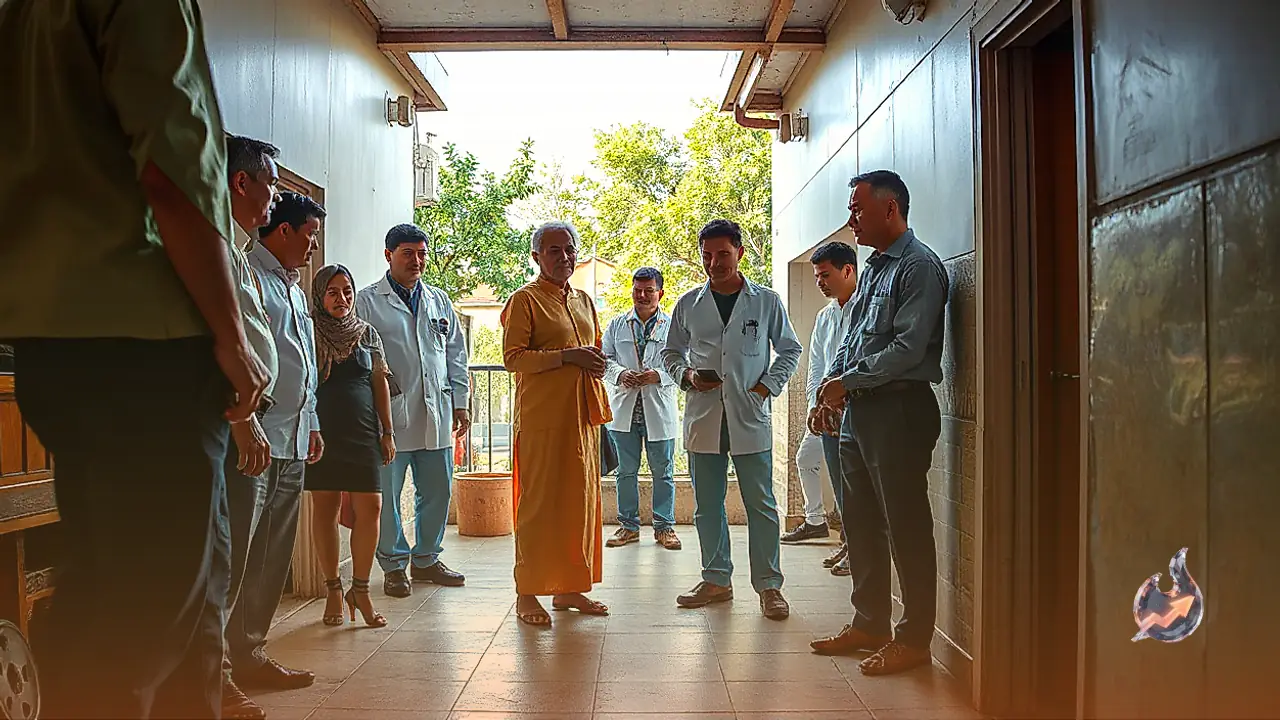
























Medical science has advanced significantly in the modern era, making treatments for many complex illnesses highly effective. Yet, a common concern persists in both rural and urban settings, where patients and their families frequently report that despite consistent use of medication, there is little to no visible improvement in their mental health. In the field of mental health, this specific phenomenon is known as Treatment Resistant Depression, a condition that poses a complex challenge for medical professionals.
Defining Treatment Resistant Depression
According to the renowned psychologist R. Shankar, this form of depression occurs when a patient continues to take prescribed medication for an extended duration but fails to achieve the expected clinical benefits. It has been observed that after a certain period, the efficacy of a specific drug on a patient's system may diminish significantly or cease entirely. This particular clinical state is recognized in the medical community as Treatment Resistant Depression.
In standard practice, medications are primarily designed to manage symptoms; however, in many complex cases, they fail to address the root causes of the disorder comprehensively. This is precisely why some individuals do not feel completely healthy even after undergoing treatment for as long as 10 to 20 years. For the medical world, managing the health of such patients remains a significant and ongoing challenge.
The role of Neuro Stimulation Therapy
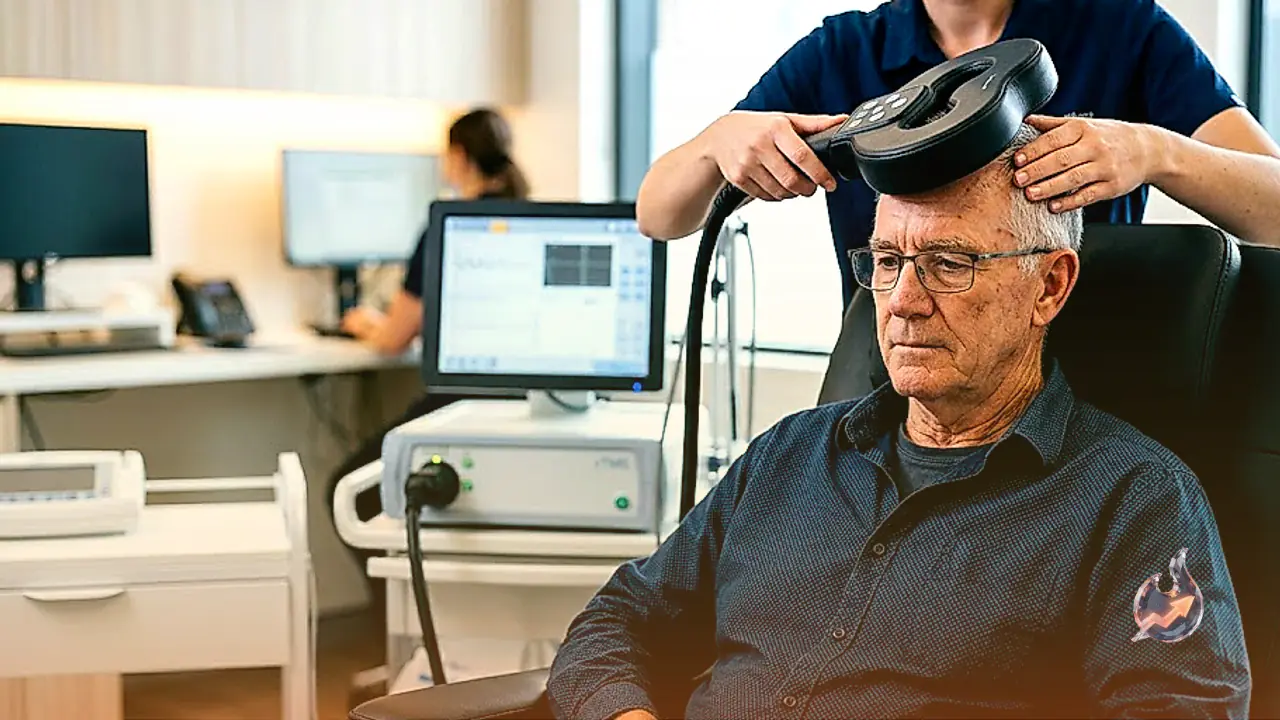
R. Shankar clarified that for patients who have been dependent on medication for years without experiencing adequate relief, modern medicine is now developing alternative pathways. He highlighted that techniques such as Neuro Stimulation Therapy are increasingly being utilized as a viable treatment option for such individuals. This technology works by influencing brain activity, which attempts to mitigate the underlying symptoms of depression.
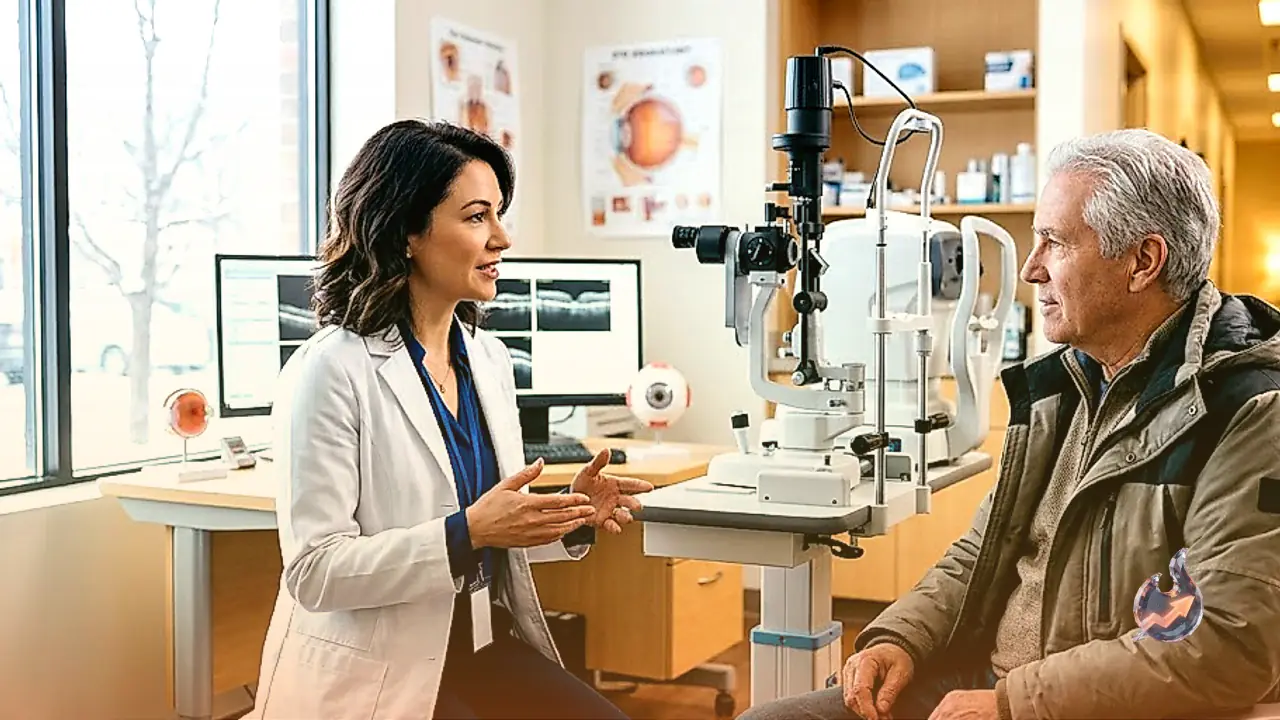
According to the expert, the selection of this therapy is not a universal solution and must only be determined after a rigorous assessment. The decision relies entirely on the patient's current medical status, clinical investigations, and a thorough evaluation by a qualified psychiatrist. He emphasizes that if a patient fails to find relief through prolonged medication, they should not lose hope but instead seek a professional consultation for a re-evaluation of their condition. Re-assessing the illness is essential to determine which modern, tailored treatment approach might be most effective for the patient's specific needs.