





















A noticeable rise in cases of viral fever, cold, and cough has hit Jodhpur following recent rain showers and seasonal weather changes. Mathuradas Mathur Hospital, one of the primary healthcare institutions in the city, has been receiving a steady stream of patients experiencing seasonal health issues. In response, the hospital administration has elevated its alert status and intensified patient monitoring across key units. While samples of suspected cases are being dispatched for microbiology testing, health authorities emphasize that the overall situation remains under control and no new viral strains or severe outbreaks have been detected in the region.
Weather Transition Triggers Seasonal Infections
Explaining the root cause behind the surge, Mathuradas Mathur Hospital Superintendent Vikas Rajpurohit highlighted that post-rain climatic shifts often lead to the activation of various airborne and waterborne pathogens. Consequently, symptoms such as cold, cough, and viral fever naturally spike during this transitional period. Although cases of Influenza virus and H1N1 have been recorded in several other parts of the country, Jodhpur has not registered any instances of a new virus strain. Most individuals reporting to the hospital are presenting standard seasonal flu symptoms that respond well to routine medical care.
Enhanced Surveillance Across OPD and Inpatient Wards
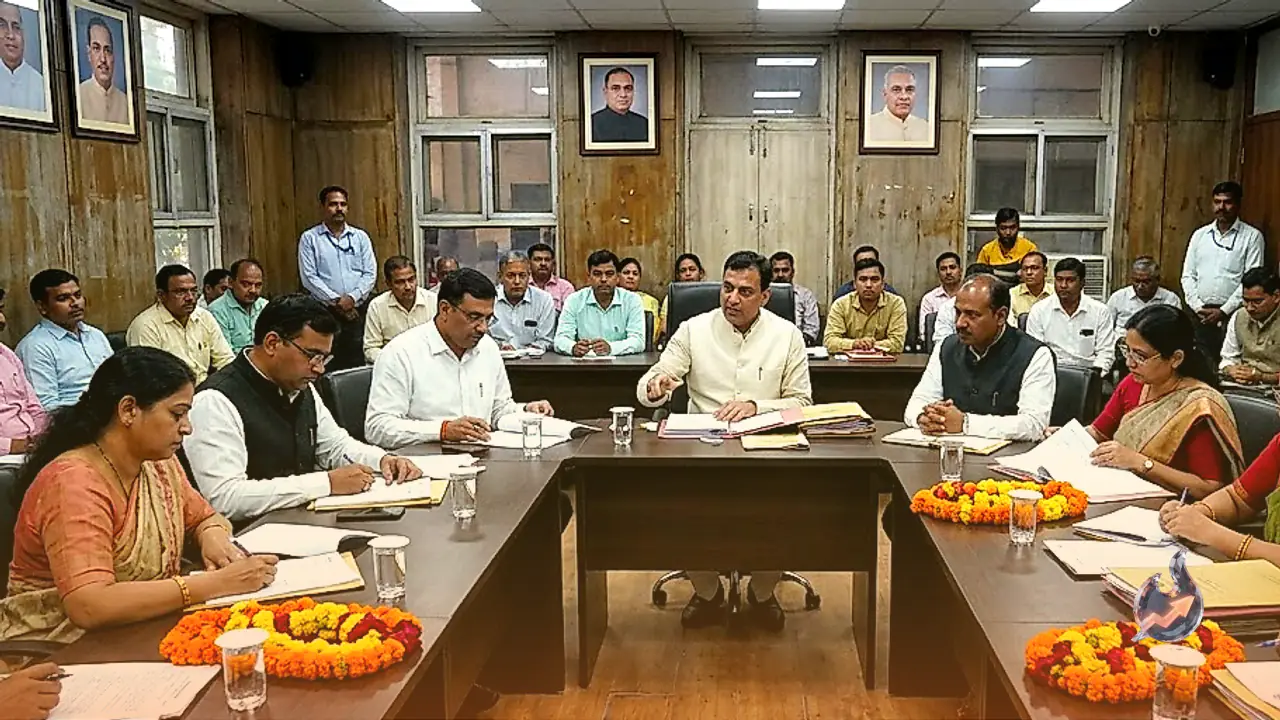
To ensure proactive health management, hospital management has tightened surveillance across both outpatient departments (OPD) and inpatient wards. Medical staff and clinical teams have been instructed to promptly notify higher authorities if an unusual clustering or sudden spike of cases emerges from any specific neighborhood. Diagnostic procedures have been streamlined, with clinical samples from symptomatic patients immediately sent to the microbiology department for comprehensive analysis. Furthermore, close coordination is being maintained with the department of internal medicine to swiftly identify and contain any potential infection risks.
Preventive Guidelines and Precautions for Vulnerable Groups
Addressing public concerns, Superintendent Vikas Rajpurohit reassured residents that there is no cause for panic and that standard personal hygiene measures are effective against the virus. However, high-risk groups, including pregnant women, senior citizens, and individuals with underlying chronic illnesses, must exercise elevated caution. Health officials advise vulnerable individuals to avoid crowded environments, maintain strict hand hygiene, and wear face masks when venturing outside. Medical experts project that this period of seasonal transmission will subside within the next 15 to 20 days. Nevertheless, if cold or fever symptoms persist beyond 2 to 3 days, seeking professional medical consultation is strongly recommended.