























Protecting agricultural fields from the constant threat of stray livestock and wild animals remains one of the most stressful challenges for cultivators today. Months of hard work and investments can be destroyed overnight by wandering nilgai, wild boars, or grazing cattle. While many turn to expensive metallic solutions like barbed wire or iron mesh fencing, a highly effective and eco-friendly alternative exists in the form of the Karonda plant. This humble, densely branched shrub offers a remarkable dual advantage. Not only does it grow into an impenetrable biological barrier that keeps intruders firmly at bay without any massive investment, but it also yields a continuous supply of tangy, nutrient-dense berries year after year. Recognized for its immense utility in traditional Indian households, rural economies, and Ayurvedic practices, this hardy bush proves that nature often provides the most economical and multifaceted solutions to everyday agrarian and health problems.
An Economical and Impenetrable Biological Fortress
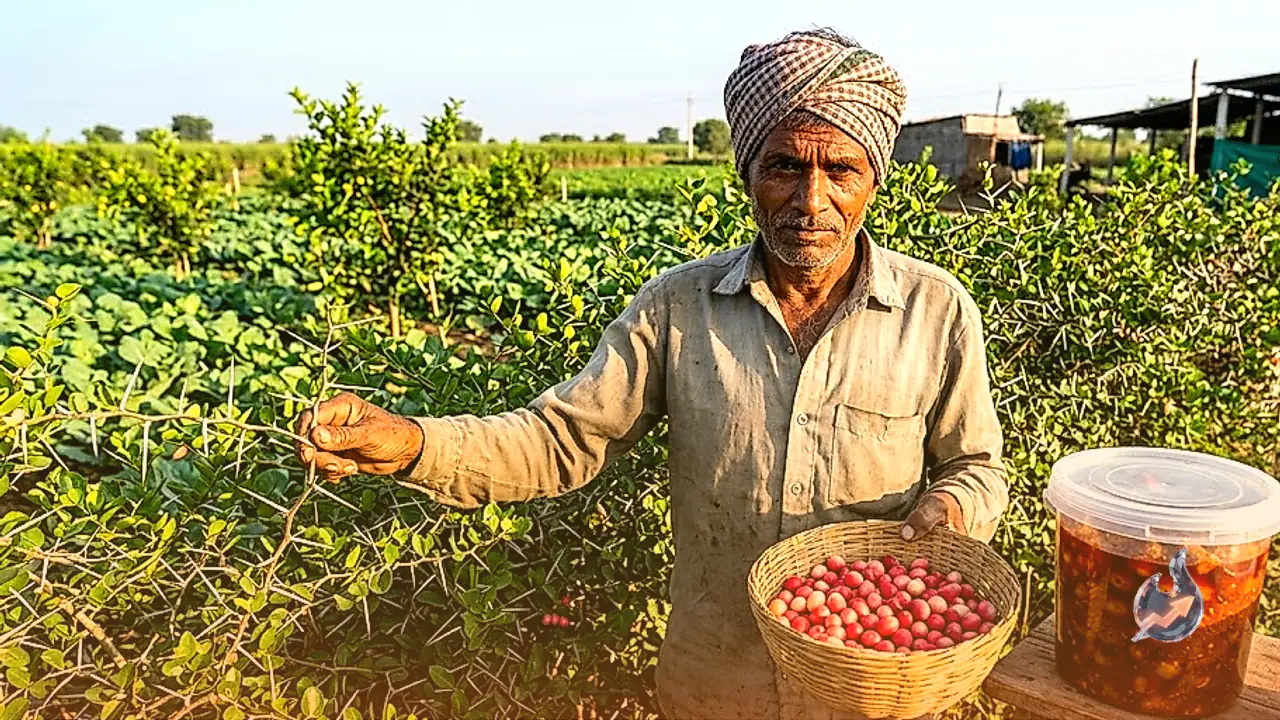
The primary reason cultivators are increasingly turning to this specific shrub is its unique physical structure. The plant is characterized by extremely dense foliage armed with sharp, robust thorns. When planted strategically along the boundaries of a farm, these saplings rapidly intertwine to form a formidable, living wall. The aggressive thorniness acts as a perfect deterrent. Large animals such as nilgai, stray cows, and wild boars simply do not dare to push through the painful thicket, ensuring the crops inside remain untouched.
Opting for a natural barrier brings massive financial relief to the agricultural sector. Installing heavy iron fencing or wire across acres of land requires a significant capital investment and regular maintenance. In stark contrast, a green boundary made of these thorny bushes requires practically no major financial outlay beyond the initial planting. Furthermore, this living wall provides excellent ecological benefits. The deep and intricate root system tightly binds the earth, playing a crucial role in preventing soil erosion. The dense canopy also casts a shadow over the boundary soil, helping to lock in precious moisture and create a more favorable microclimate for the adjacent fields.
A Hardy Plant for Demanding Environments
One of the most appealing aspects of this botanical guard is its exceptional resilience. It is a plant that thrives on neglect. Typically found growing naturally in forests, rocky terrains, and dry regions across the Indian subcontinent, it demands very little from its caretaker. The shrub requires minimal irrigation and can survive prolonged dry spells without withering. It flourishes beautifully with surprisingly little water and low maintenance.
This low-maintenance nature makes it an integral component of traditional farming lifestyles. For generations, people have relied on its robust nature to secure their perimeters while harvesting its bountiful produce. The plant yields small berries that undergo a fascinating transformation as they mature, changing not just in color but also in their fundamental flavor profile, making them highly sought after in regional cuisines and holistic healing.
Culinary Versatility from Tart to Sweet
The culinary journey of the berry is a tale of two distinct phases. In its raw, unripe stage, the fruit presents a pale green or whitish hue. At this point, it is intensely tart and acidic. This sharp flavor profile makes the raw berry an absolute favorite in traditional kitchens for adding a punch of sourness to everyday meals. It is heavily utilized in crafting zesty pickles and mouth-watering chutneys, often pounded together with fresh green chilies. It can also be tossed into vegetable dishes to introduce a bright, tangy element.
As the season progresses and the fruit reaches full maturity, it undergoes a dramatic visual and chemical change. The skin turns a deep red, eventually darkening to almost black. The intense acidity mellows down, replaced by a sweet and slightly juicy flavor. These ripe berries are harvested to prepare an array of long-lasting delicacies. They are boiled down into delicious jams, jellies, and refreshing squashes. Moreover, the ripe fruit is famously preserved whole as murabba in sugar syrup. This traditional sweet preserve not only enhances the dining experience but also boasts an impressive shelf life without spoiling.
A Powerhouse of Immunity and Radiant Skin
Beyond its culinary applications, the fruit is highly prized as a nutritional powerhouse. It is packed with essential nutrients that act as a blessing for overall health. Ayurvedic doctor Shalini highlighted its most prominent nutritional feature. "This fruit contains an abundant amount of Vitamin C, which is extremely helpful in boosting the immune system," the doctor stated. Regular consumption of these berries provides the body with the necessary ammunition to ward off common seasonal ailments. Whether it is the common cold, a persistent cough, or various viral infections, a robust immune system fortified by this fruit offers significant protection.
In addition to its high Vitamin C content, the berry is loaded with powerful antioxidants. These active compounds are crucial for fighting against harmful free radicals that accumulate in the human body. By battling oxidative stress, the fruit helps the body stay strong and refreshed from the inside. This internal vitality reflects externally as well, keeping the skin healthy and imbued with a natural, radiant glow.
Revitalizing Digestive Health
For individuals struggling with gastrointestinal distress, this natural remedy offers remarkable relief. The fruit is an excellent source of natural fiber and contains specific organic compounds designed to tackle stomach-related issues from the root. Chronic problems such as constipation, excessive gas buildup, severe indigestion, and stomach burning can be managed effectively through its regular intake.
The medicinal applications extend to internal cleansing. Consuming the freshly extracted juice of the fruit, or taking its dried powdered form, is known to be highly effective in killing intestinal worms and thoroughly cleaning the digestive tract. Traditional Ayurvedic medicine frequently utilizes both the berries and the leaves of the plant to stimulate the appetite and correct the digestive fire. When consumed consistently in balanced quantities, it brings about a massive improvement in overall gut health.
Strengthening Cardiovascular Function
The advantages of this versatile plant extend all the way to cardiovascular well-being. Maintaining a healthy heart requires a delicate balance of minerals, and this fruit delivers generously in that department. It naturally possesses vital minerals like potassium, magnesium, and several others. These elements play a critical role in relaxing blood vessels and controlling blood pressure levels.
Furthermore, integrating the correct quantity of this fruit into a daily diet actively assists in managing cholesterol. It safely lowers the levels of harmful LDL cholesterol circulating in the bloodstream. By keeping LDL levels in check, the fruit significantly reduces the chances of arterial blockages. Coupled with its potent anti-inflammatory properties, which calm inflammation within the nerves, the plant provides comprehensive support for a healthy and properly functioning heart over the long term.