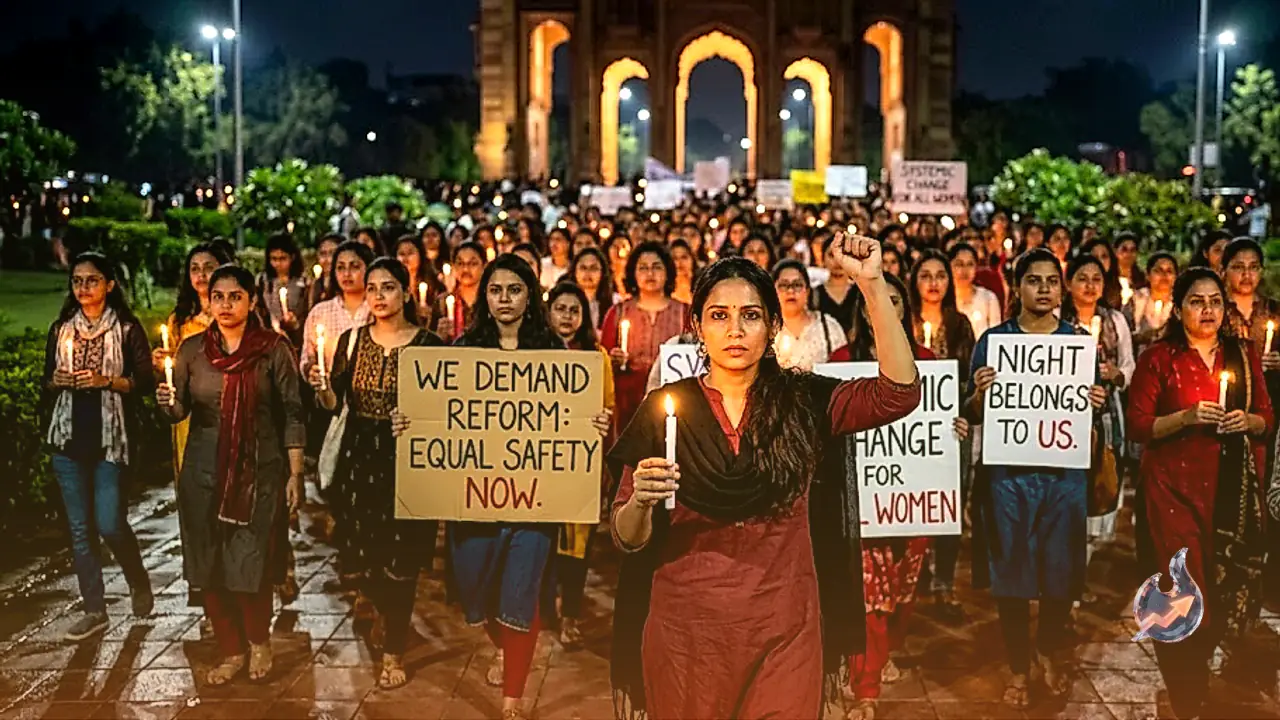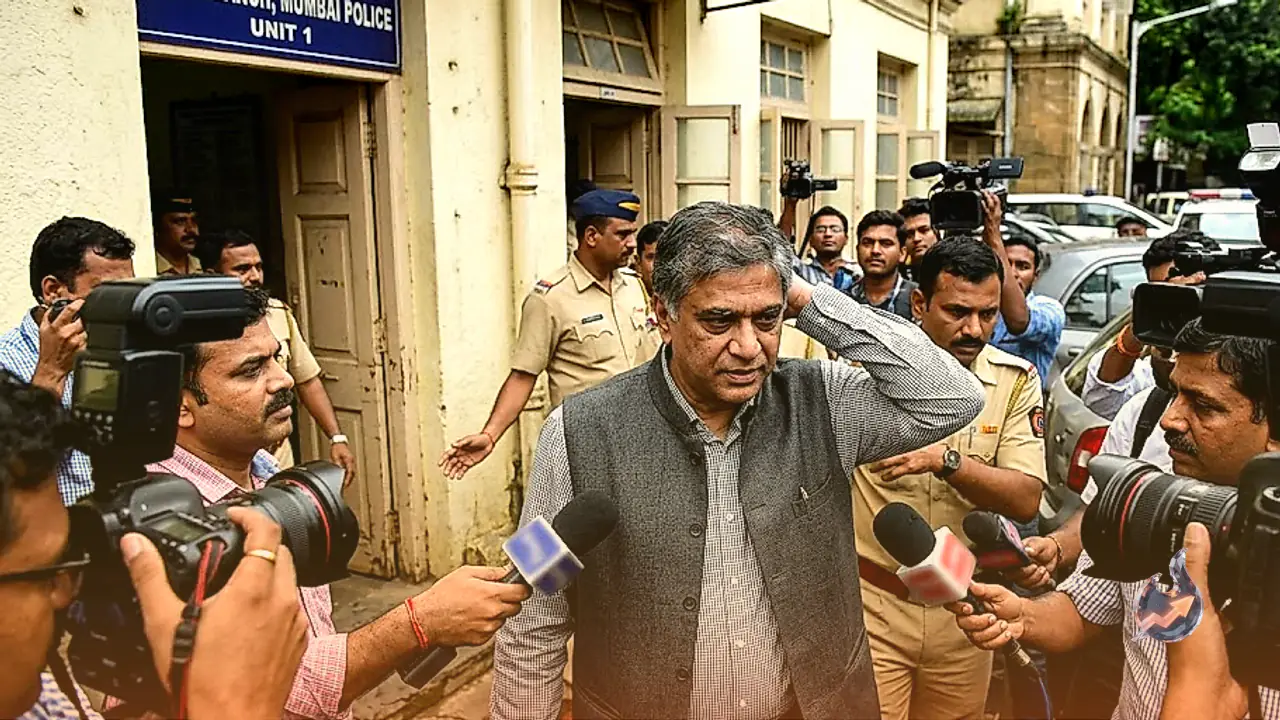

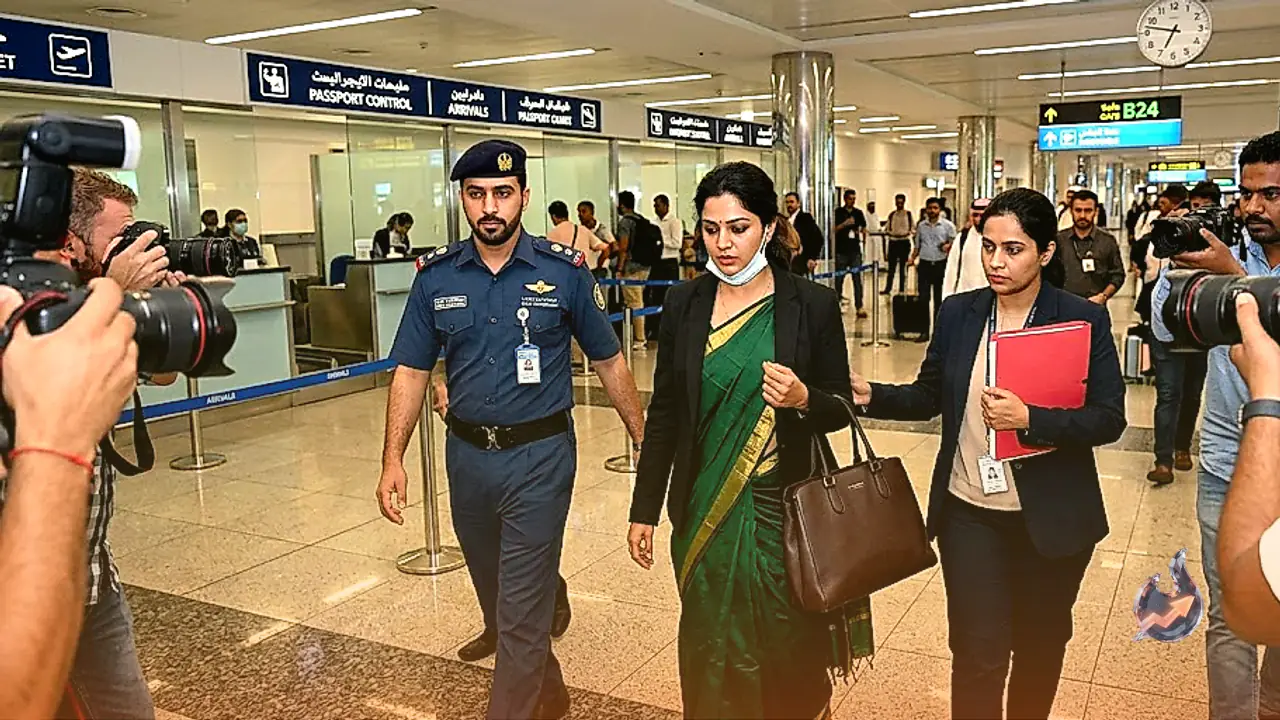


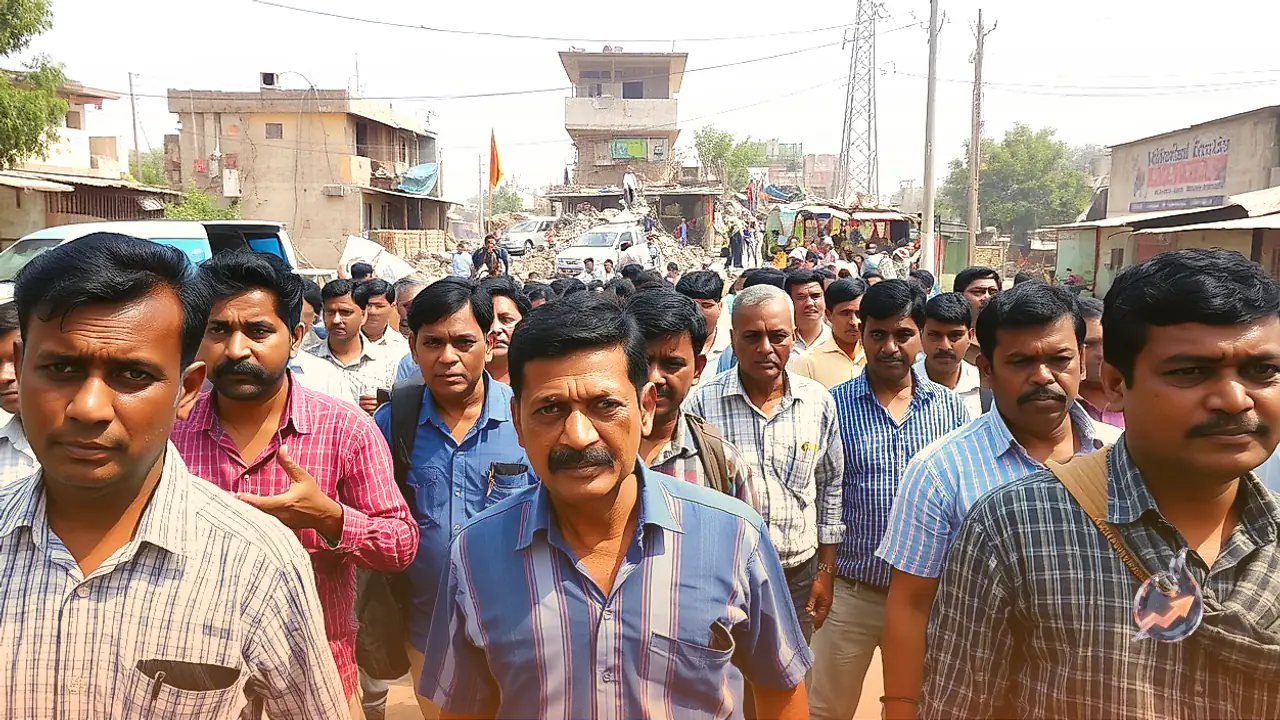















Amid a wave of street demonstrations, youth agitations, and public protests addressing multiple issues across the country, a new civic engagement portal has been introduced. Public discontent has been visible on several fronts, ranging from student-led demands seeking Union Minister Dharmendra Pradhan's resignation to widespread opposition mobilization targeting Chief Election Commissioner Gyanesh Kumar and the SIR issue. Demonstrators holding placards and staging sit-ins have become a regular sight in various regions, with clips and photographs documenting these protests circulating widely on social media platforms. Against this backdrop, Leader of the Opposition in the Lok Sabha Rahul Gandhi has initiated an effort to consolidate these dispersed movements onto a single digital interface.
The Launch and Core Intent of the Satyagraha Initiative
Rahul Gandhi announced the rollout of a web platform named Satyagraha, designed to invite citizens fighting for their rights across the country to document their experiences. The primary message behind the project is that individuals taking a stand against injustice should never feel isolated in their fight. The portal allows citizens to submit detailed accounts of their difficulties, describe the ground realities of their struggles, and specify the exact form of intervention or assistance they require.
The Leader of the Opposition stated that this portal serves as a bridge for meaningful action rather than a passive registry. He emphasized his commitment to intervening directly across multiple forums, including raising issues inside Parliament during debates, joining citizens in street-level protests, writing formal representations to authorities, and providing organizational support wherever required. Gandhi framed this intervention as a direct fulfillment of his constitutional duties as the Leader of the Opposition.
Unifying Dispersed Voices Across Communities
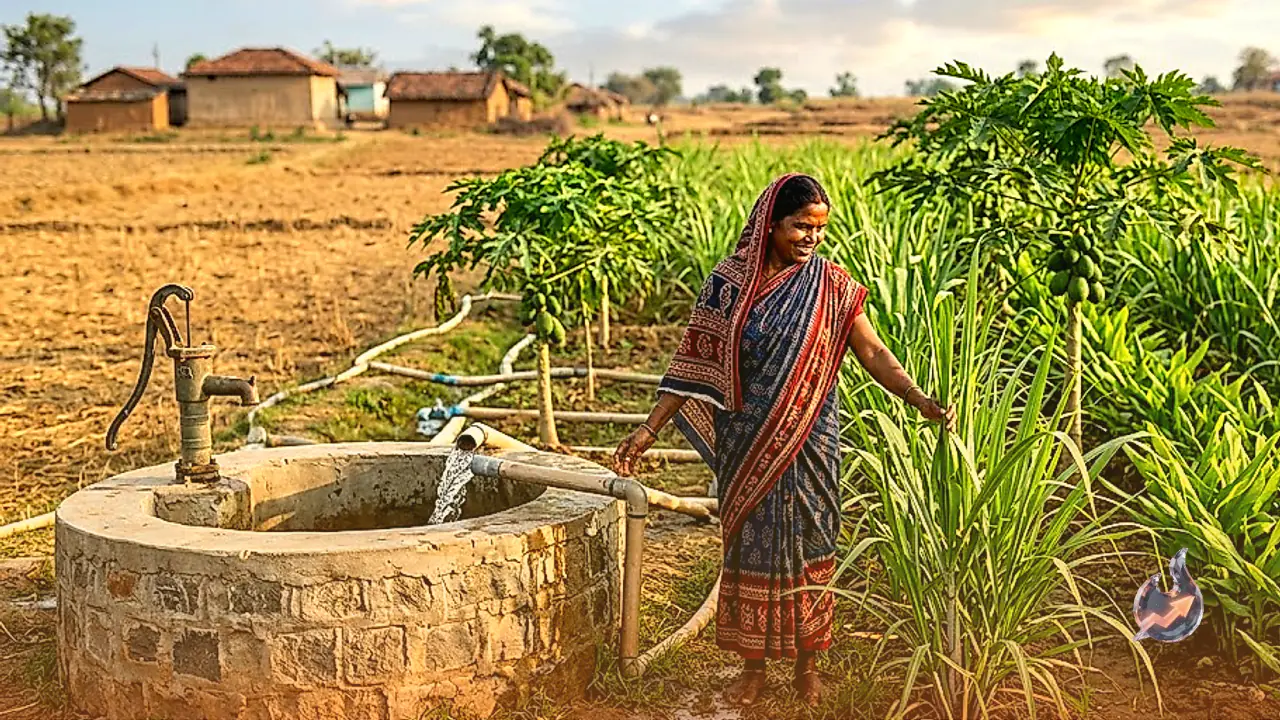
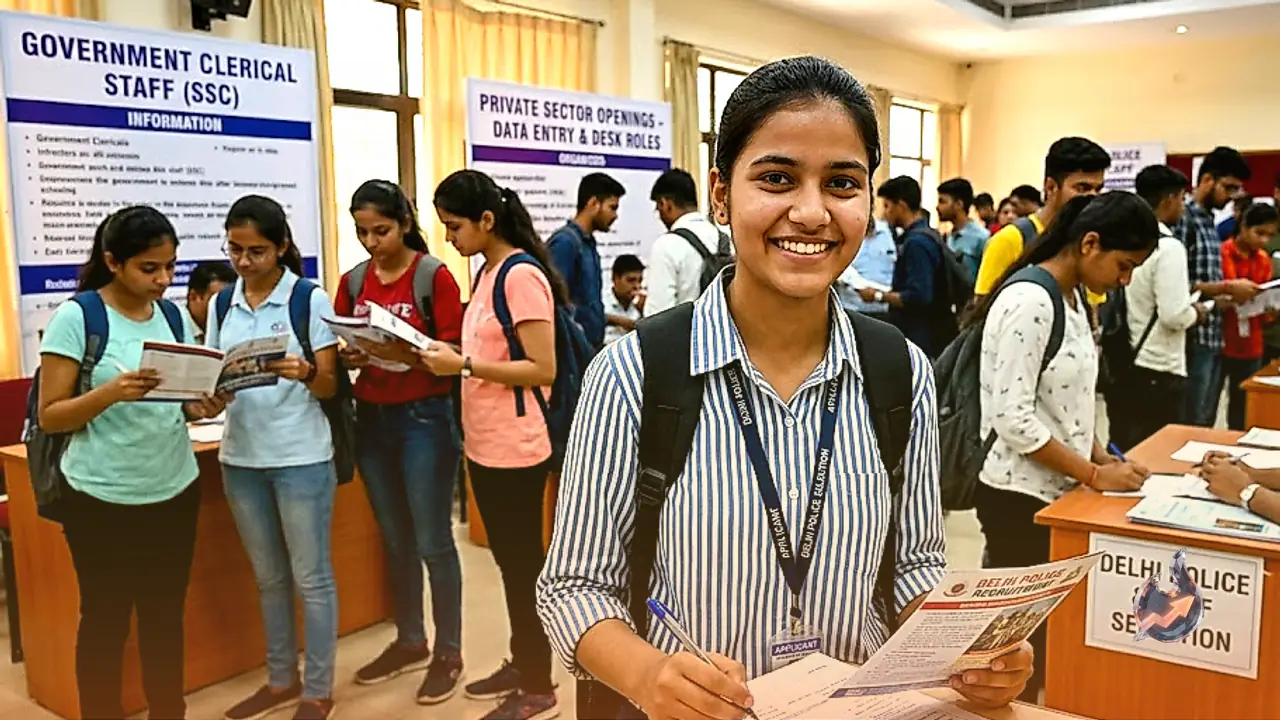
Sharing details of the portal on social media platform X, Gandhi pointed to the broad cross-section of Indian society currently engaged in localized battles. He specifically cited the challenges encountered by Gen Z youth, college and university students, farmers, tribal populations, Dalit communities, and women. According to him, while each distinct group possesses a unique story of perseverance, isolated appeals often risk being sidelined or silenced by authorities.
The conceptual framework behind Satyagraha addresses this vulnerability by aggregating separate incidents into a collective narrative. By registering localized disputes on a unified channel, the platform intends to highlight the broader landscape of public grievances, ensuring that quiet or regional battles gain collective visibility before a national audience.
Mapping Struggles on an Interactive Interface
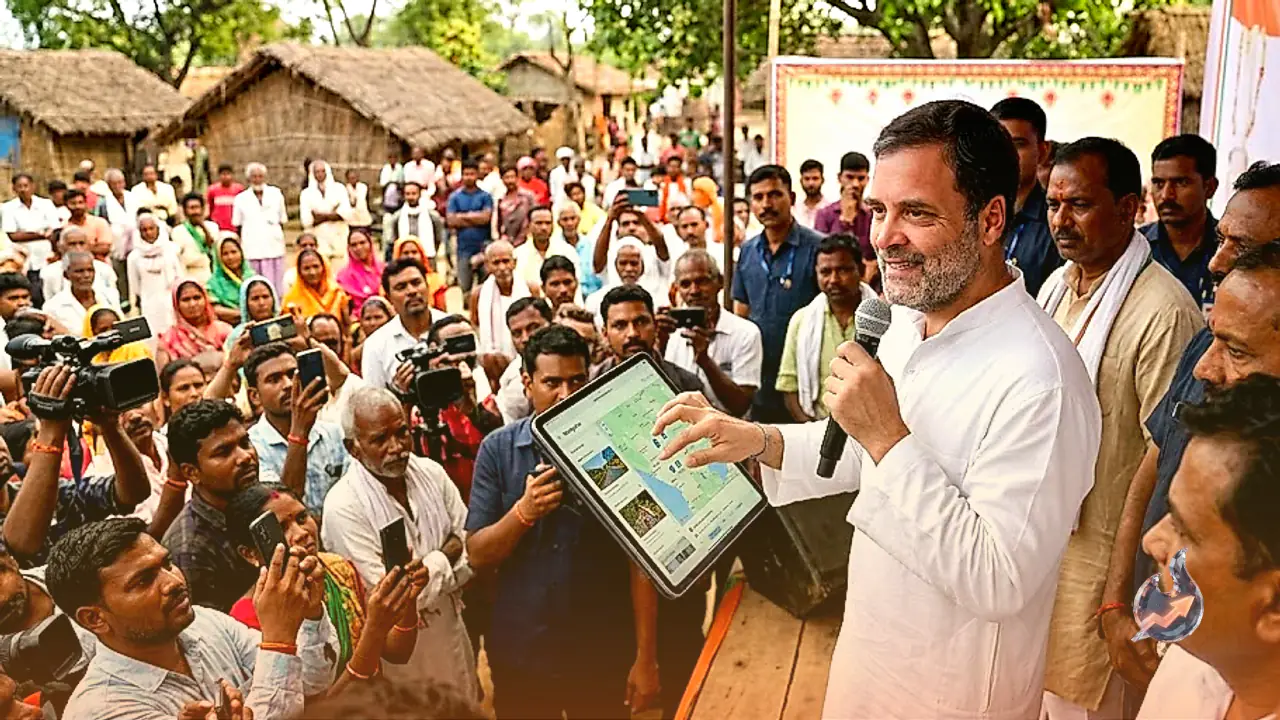
A notable feature of the Satyagraha portal is its geographic mapping mechanism. The platform seeks to place submissions onto a visual map of India, offering a comprehensive overview of where public disputes, legal challenges, and community agitations are occurring throughout the nation.
Gandhi urged citizens actively protesting or resisting injustices to enter their information into the system, noting that the submission process takes approximately two minutes to complete. Once logged, contributors and visitors will be able to discover other individuals and communities confronting comparable challenges nationwide, thereby encouraging mutual solidarity and communication among disparate groups.
Drawing Upon the Ideals of Mahatma Gandhi
Reflecting on the historical philosophy behind the name, Rahul Gandhi invoked the teachings of Mahatma Gandhi, noting that Bapu demonstrated truth to be the most formidable instrument of change. He added that an even greater strength emerges when people stand united in support of that truth.
The Satyagraha platform takes inspiration from this tenet, striving to weave fragmented local resistance into a broader democratic coalition. The ultimate objective is to compile an accessible repository of ongoing public struggles, reassuring individuals that an organized framework stands ready to back their legitimate demands.
Assurances of Backing from Street to Parliament
The call to action extends beyond simply cataloging grievance reports. Rahul Gandhi reaffirmed his dedication to leveraging his institutional position to champion these causes across public and political domains. This encompasses raising pertinent questions during parliamentary sessions, applying legislative scrutiny, standing alongside citizens during public demonstrations, and addressing formal correspondence to governmental departments to demand administrative accountability.
Submitting Accounts via the Dedicated Link
To facilitate direct submissions from individuals, student groups, farmer organizations, and grassroots activists, the official access portal has been made accessible at rahulgandhi.in/satyagraha. Anyone resisting systemic inequities is invited to register their case directly through this channel. The overarching vision remains centered on creating a transparent, nationwide register of democratic struggles, enabling affected groups to connect with peers facing similar circumstances while securing institutional amplification for their voices.