


















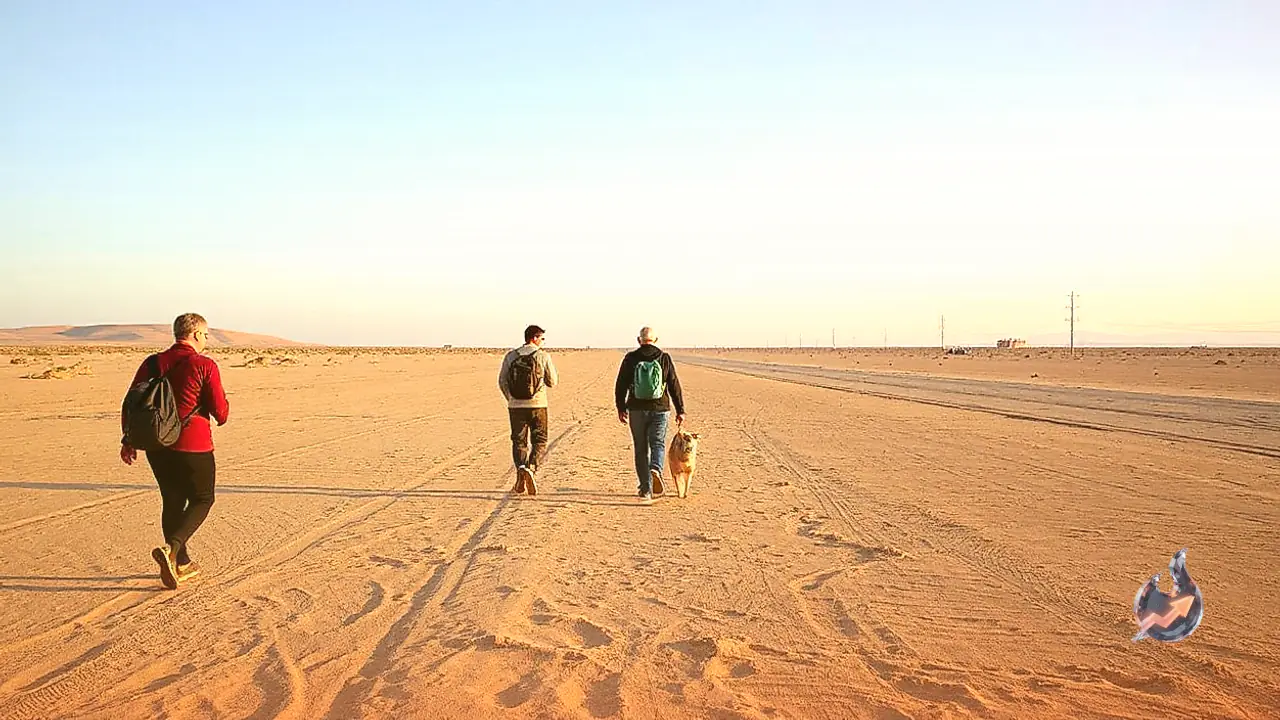

Walking regularly can make you feel refreshed, but it does not automatically guarantee that your obesity problem will decrease. On the other hand, if you replace standard walking with brisk walking, the results change completely. This involves taking 100 to 200 steps within a minute. Incrementally increasing steps every day is considered a safe way to bring brisk walking into practice. Along with this, paying attention to five specific things is essential, otherwise, there will be no noticeable impact on your body fat.
Skipping Warm-Up and Cool-Down Routines
It is crucial to warm up before starting a brisk walk, and cooling down is equally important when stopping. Ignoring these steps increases the risk of muscle stiffness, fatigue, and internal injuries. Therefore, a light 3 to 5 minute warm-up, such as slow walking or dynamic stretching, prepares your muscles for the activity. For cooling down after the walk, gradually reduce your speed and perform static stretching.
Maintaining Incorrect Posture While Walking
If you walk with a hunch, constantly look at your phone, or drag your feet, you will not get the full benefits of walking. Incorrect posture can increase pressure on your neck and back, and can also cause breathing difficulties. To walk correctly, keep your head straight, shoulders in a comfortable position, core muscles slightly engaged, and swing your arms naturally. This makes walking easier and reduces unnecessary strain on the muscles.
Wearing Improper or Worn-Out Footwear
Using old, worn-out shoes or footwear that lacks proper support during walks can be harmful. It can lead to foot pain, calf cramps, and increased pressure on the knees. Such discomfort often causes you to avoid walking regularly. Therefore, choose shoes that offer good support, adequate cushioning, and a strong grip. Wearing the right shoes helps ensure a comfortable walking experience.
Sticking to the Same Routine and Pace
If you walk on the exact same route at the same speed every day, the weight loss process can slow down over time. This happens because the body gets accustomed to identical activities. To avoid this plateau, alternate between fast and slow speeds, increase the distance, or choose routes with inclines. Additionally, keep a record of your steps, time, and pace using a fitness app or diary to stay motivated and track your progress.
Ignoring Hydration and Fluid Intake
Even a light stroll causes the body to lose water through sweat, especially during humid weather. Dehydration affects work capacity, slows down metabolism, and can trigger unnecessary hunger. To combat this, drink a glass of water 20 to 30 minutes before heading out for a walk, and keep sipping water during or after the session. This maintains energy levels in the body and helps burn fat more efficiently.