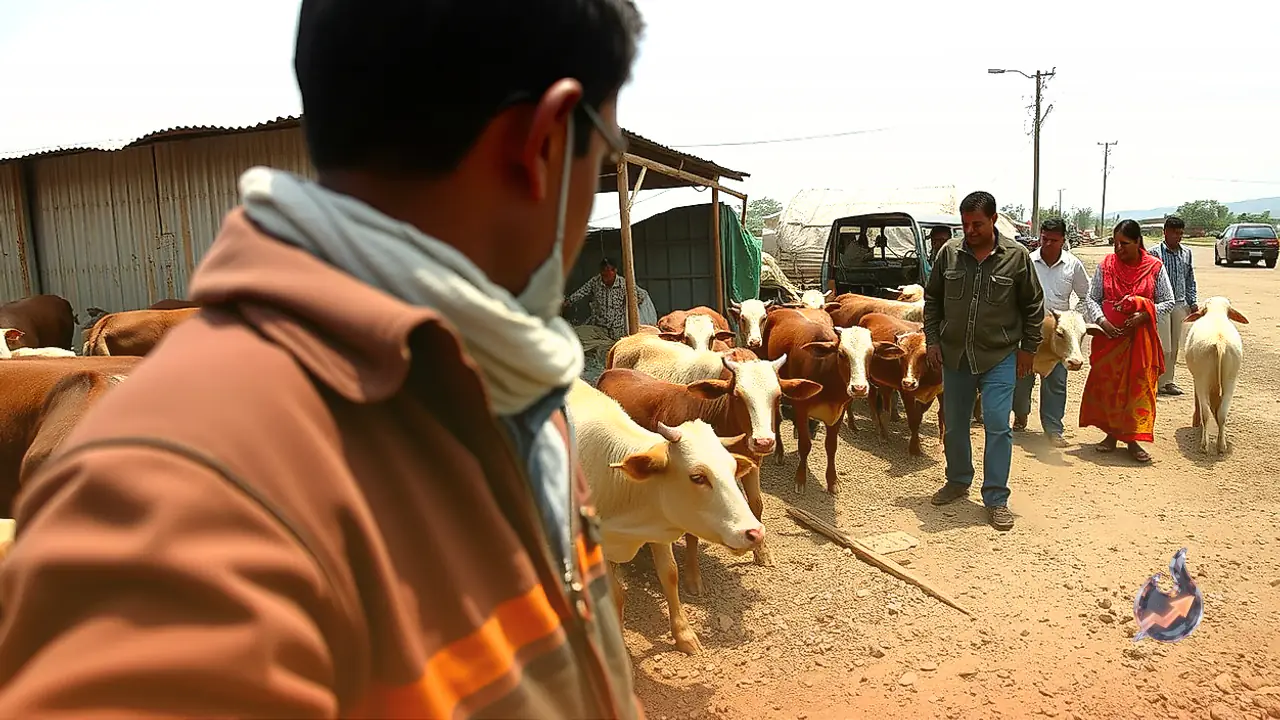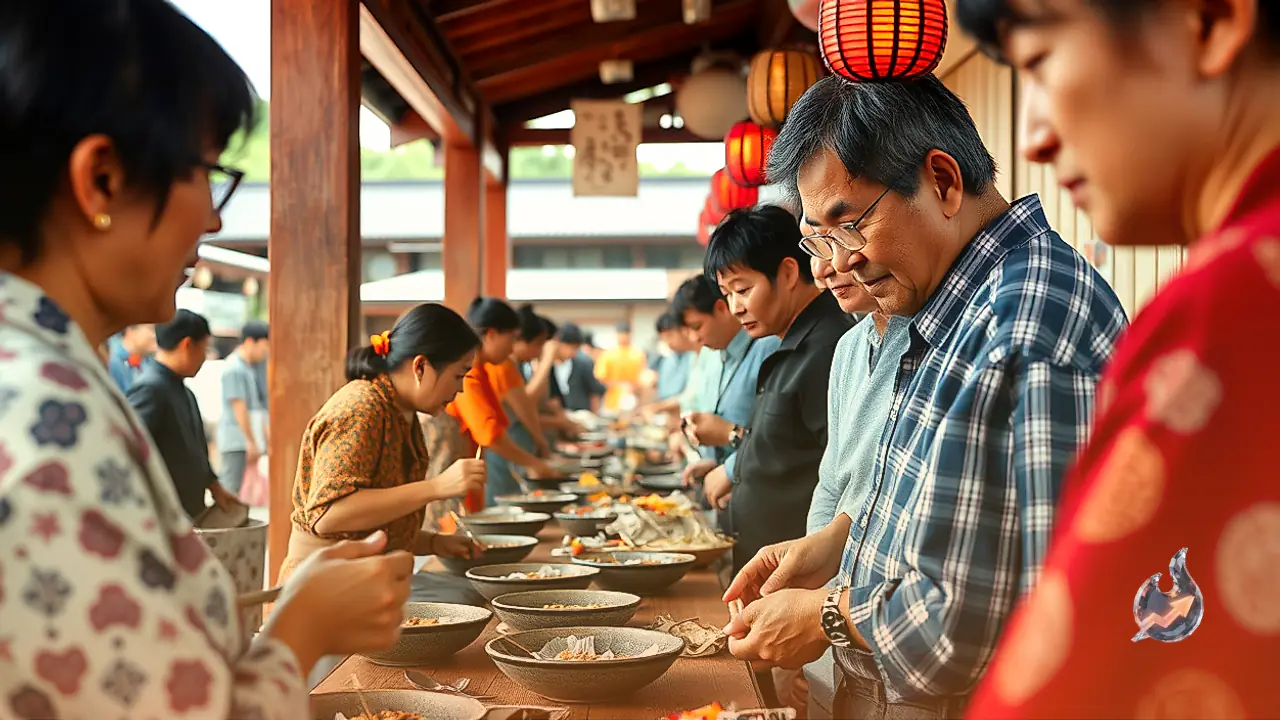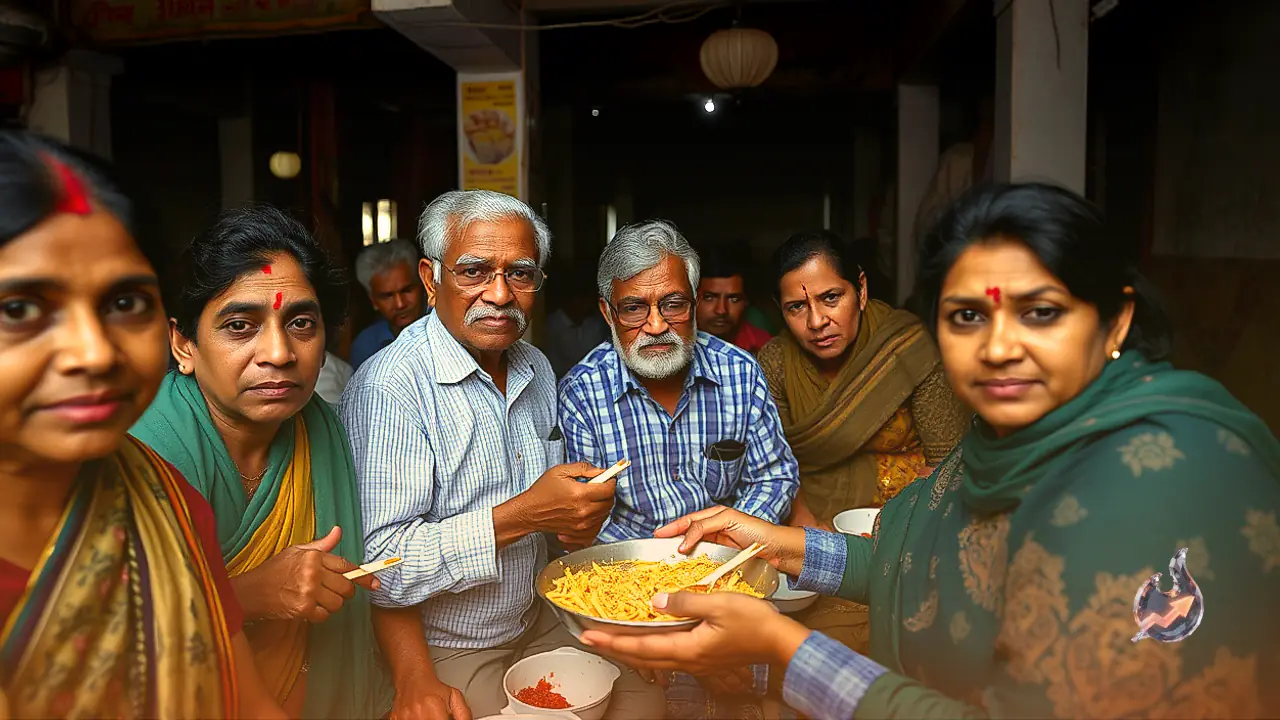



















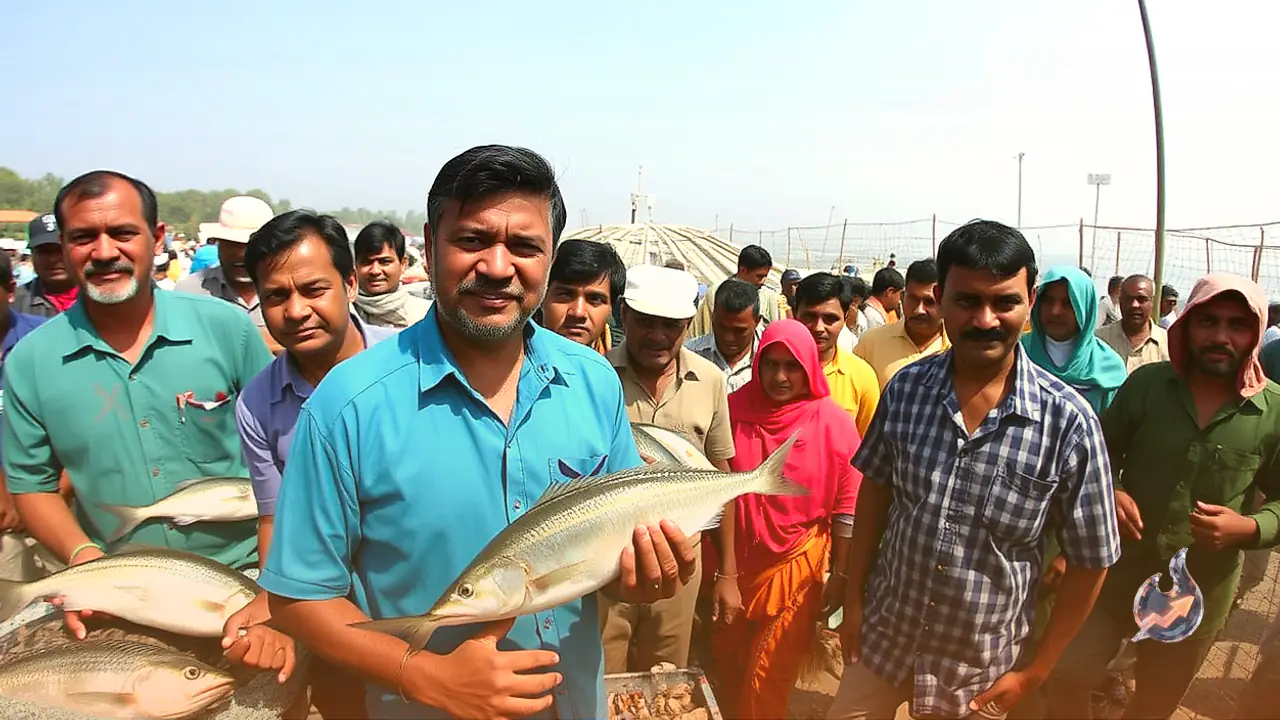

In Lakhimpur Kheri and across the wider Terai region of Uttar Pradesh, seafood enthusiasts form a substantial part of the local population. Traditional varieties such as Rohu, Catla, and mrigal have long dominated local food preferences, featuring prominently in daily household meals as well as grand celebrations, weddings, and social gatherings. Their rich taste and steady market availability have kept them popular for generations. Yet, despite their widespread appeal, a persistent challenge has always accompanied consumption, which is the presence of numerous fine and sharp bones.
The Problem with Traditional Fish Bones
Fish is widely celebrated as a nutritional powerhouse, packed with high-quality protein that aids significantly in muscle growth, development, and overall bodily maintenance. Different species also offer varying arrays of nutrients depending on their natural diet and environment. However, many individuals consciously avoid eating fish simply to prevent the painful mishap of a tiny bone getting stuck in their throat during a meal. This risk forces families, particularly those with young children and elderly members, to exercise extreme caution while cooking and serving traditional varieties.
The Rise of Pangasius as an Alternative
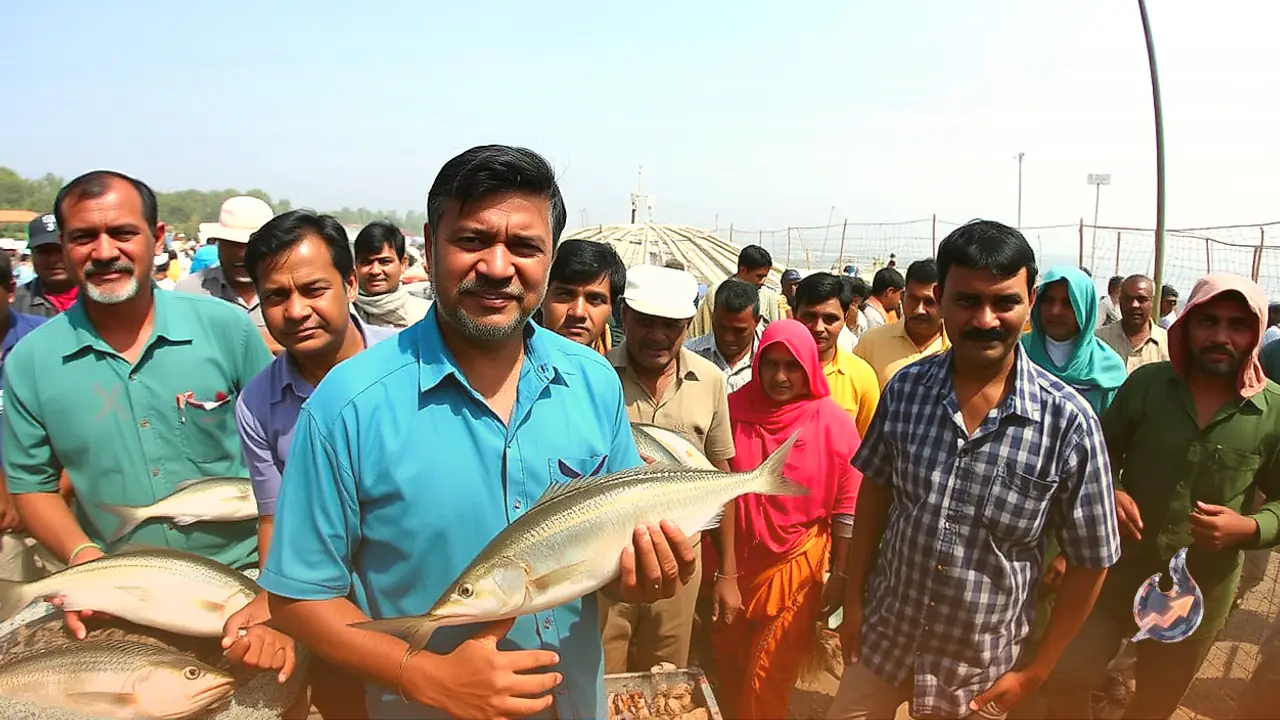
Addressing this everyday household dilemma, Pangasius fish is fast emerging as a preferred alternative in the markets of Lakhimpur Kheri. According to fisheries department officer Nikhil Tripathi, while fish is an exceptional source of nutrition, the fear of bones deters many consumers. Pangasius stands out because it lacks the troublesome fine bones found in many other common fish species. Its main skeleton and structural bones can be separated from the flesh with relative ease, making the dining experience much smoother and completely hassle-free for everyone at the table.
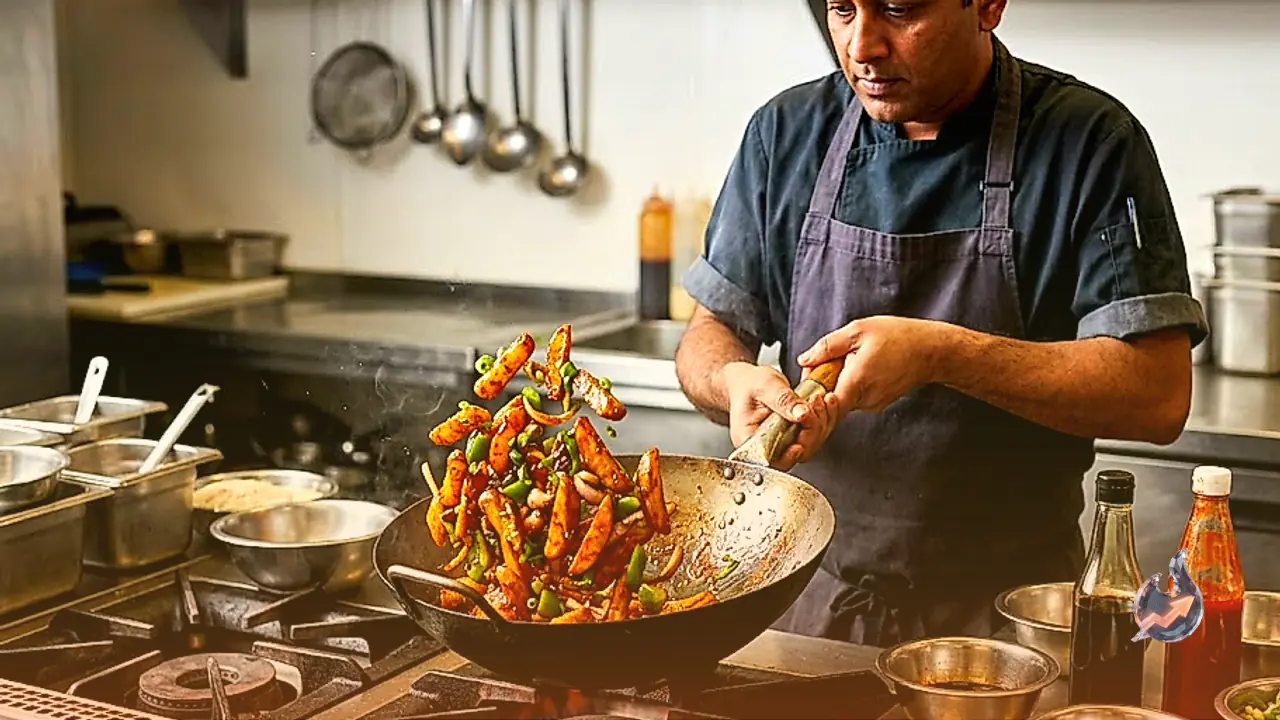
Demand for this variety is expanding visibly across various fish markets in the Kheri district. Its soft texture and the near absence of intricate bones are cited as the primary drivers behind this upward trend. Furthermore, the appeal of Pangasius is not confined to domestic kitchens alone. Local hotels, highway eateries known as dhabas, and large catering businesses are increasingly incorporating it into their menus. When preparing meals for large crowds at weddings or banquets, chefs heavily favor ingredients that minimize preparation hassles and bone-removal efforts.
Versatility in Cooking and Preparation
Another major advantage contributing to the growing popularity of Pangasius is its adaptability in the kitchen. The fish can be prepared in numerous ways, whether it is deep-fried, simmered in a rich spicy curry, or incorporated into specialized culinary dishes. Its unique flesh texture allows it to absorb flavors remarkably well while retaining its tenderness. As consumers in the Terai region continue to look for convenient yet nutritious protein sources, Pangasius is firmly establishing its place alongside traditional favorites like Rohu and Catla.