





















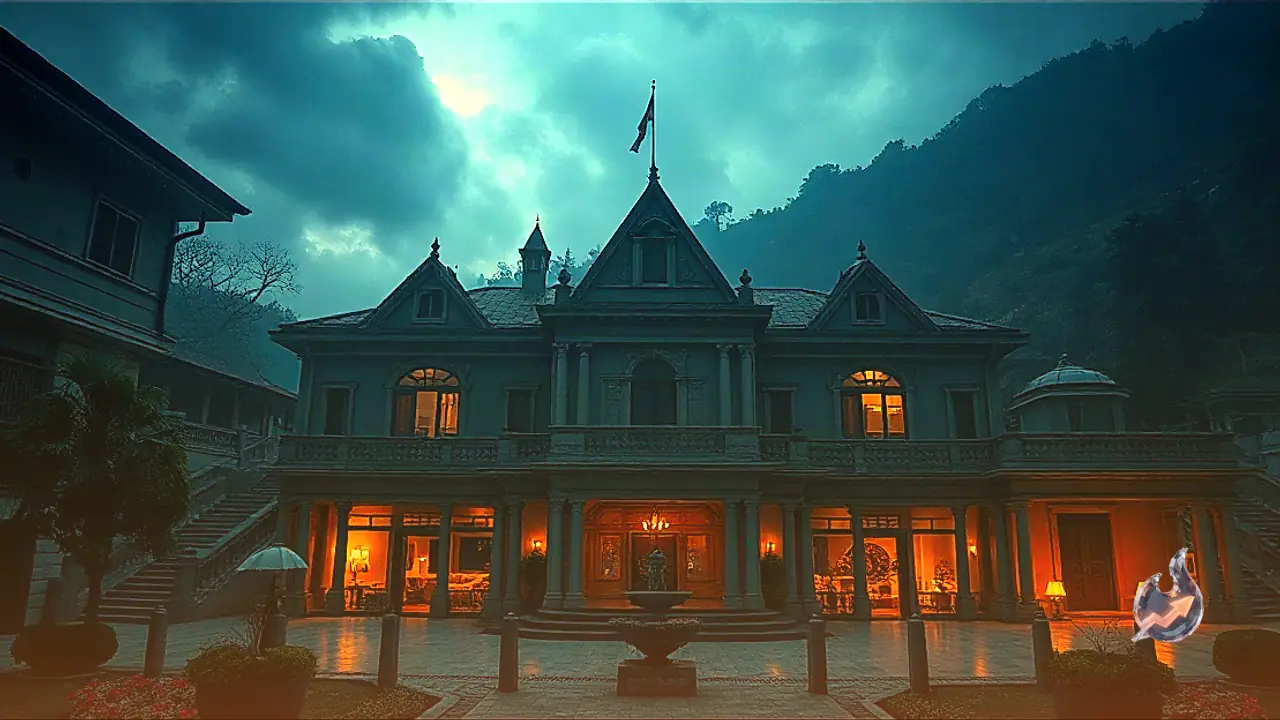

A sharp political confrontation has broken out in Himachal Pradesh over the establishment of a newly renovated office for the state's Chief Minister. Leaders from the opposition Bharatiya Janata Party have mounted an aggressive offensive against the Sukhvinder Singh Sukhu led administration, accusing it of reckless expenditure during times of fiscal hardship. In response, Cabinet Minister Yadvinder Goma addressed the criticism by maintaining that the facility belongs to the public administration rather than any individual leader.
Minister Goma Mounts Defence and Compares Renovation Costs
Addressing the allegations head-on, Yadvinder Goma took a direct swipe at BJP legislator Sudhir Sharma, asserting that the funds utilized for the executive work premises were actually lower than what the MLA spent on his own personal residence. Goma emphasized that infrastructure developed for administrative heads serves governance purposes over the long run.
The minister explained that furnishings, seating arrangements, and associated equipment within the building are institutional property. Dismissing accusations of self-indulgence, he stated, "The Chief Minister will not take this office to his home." He added that whoever occupies the executive chair in future terms will inevitably use the exact same premises to conduct the state's official business.
Delay in 1500 Crore Disaster Package and Claims of Political Roadblocks
Widening his counter-attack, Goma accused opposition leaders of actively sabotaging the hill state's financial stability by lobbying authorities in the national capital. He pointed out that following last year's severe natural disaster, central assistance promises remain partially unfulfilled despite public commitments made at the highest level.
According to Goma, Prime Minister Narendra Modi had formally pledged a financial assistance package worth 1500 crore rupees to help the disaster-hit state recover from widespread damage. However, the minister claimed that the allocated funds have not yet reached the state exchequer. Goma also pointed out internal factionalism within the opposition camp, suggesting that differing camps are releasing contradictory remarks merely to stay relevant in public discourse.
Bindal Questions Governance Priorities and Rising Public Burden
On the opposing side, state BJP chief Rajiv Bindal intensified the assault on the government, aligning with concerns voiced by Leader of the Opposition Jai Ram Thakur and Sudhir Sharma. Bindal argued that ordinary citizens are facing cuts in vital social safety nets while administrative elites enjoy opulent surroundings. He pointed out the stark contrast between public deprivation and official extravagance, remarking that while the administration struggles to arrange a 10 rupee slip for impoverished hospital patients, crores are being spent on lavish suites.
Targeting the head of the government, Bindal remarked that the Chief Minister's public journey began with an Alto vehicle and has now escalated to luxurious motorcades and multi-crore mansions. He claimed that the burden of this spending is being transferred directly onto taxpayers through added levies and escalating living expenses.
Impact on Welfare Schemes and Closure of Highway Units
The opposition chief also criticized the state's policy shifts, citing reductions in domestic electricity subsidies, steep revisions in stamp duties, multiple cess impositions, and curbs on bus fare concessions managed by HRTC. Bindal asserted that senior pensioners are staging protests for pending arrears, educated youth are struggling with job freezes, and patients are losing coverage under the flagship Himcare healthcare program.
Furthermore, Bindal raised serious objections over the administration's sudden decision to shut down one division and eight sub-divisions associated with national highway maintenance and construction. He warned that closing operational road transport units would directly disrupt road restoration and transit connectivity across difficult terrains. Bindal demanded full transparency regarding the shutdown of these operational engineering offices, arguing that withdrawing critical public infrastructure while expanding executive luxuries reflects deeply flawed administrative priorities.