






















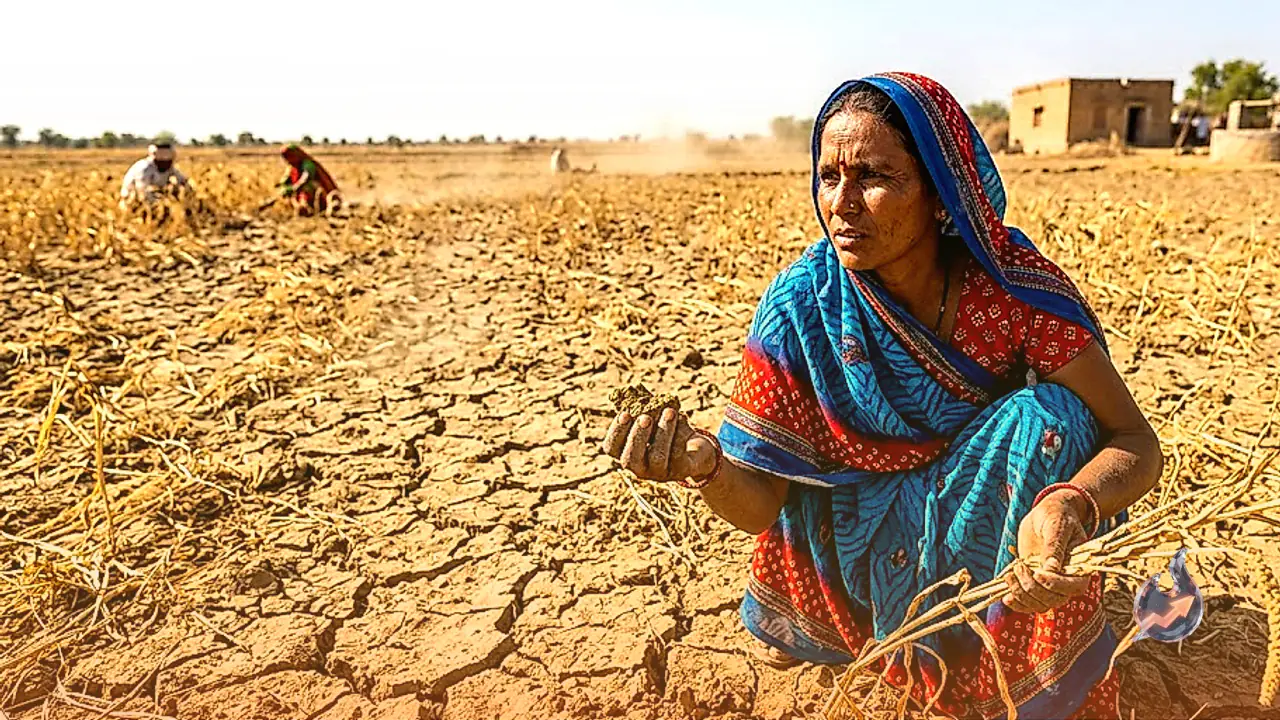

The withdrawal of the south-west monsoon has brought mounting concerns over widespread dry spells and water security across large parts of the nation. The 2026 monsoon season proved highly erratic, concluding with overall precipitation tracking 12 percent below the long-term normal. This aggregate deficit has pushed 51 percent of India into drought-like conditions, exposing vast agricultural belts and local water reserves to severe stress.
Withdrawal Timelines and Severe Regional Disparities
The monsoon initiated its seasonal withdrawal on 19 September and is slated to exit India entirely by 15 October. While the headline deficit stands at 12 percent, the distribution across different geographical pockets diverged drastically. Certain regions experienced their lowest rainfall figures in 20 years, whereas other areas witnessed intense cloudbursts and deluge that shattered 17-year high precipitation records.
Implications for Agriculture and Water Supplies
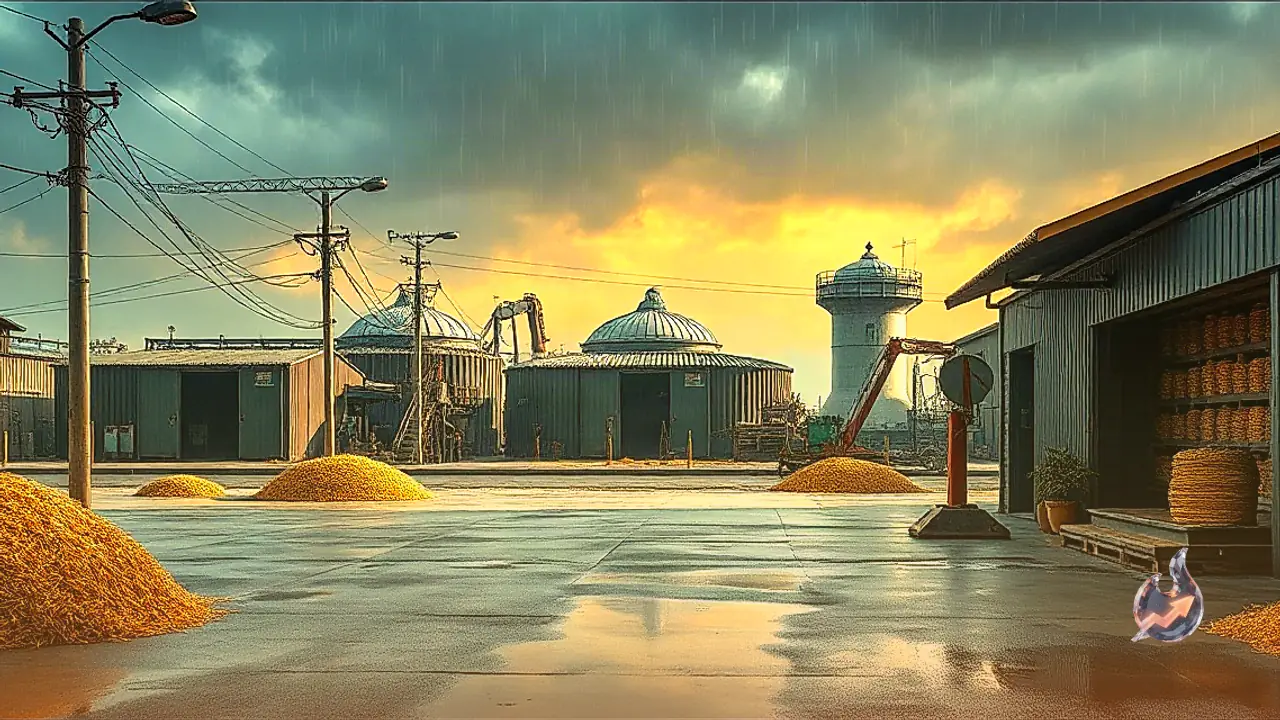
With more than half of the country grappling with deficient rainfall, groundwater recharge remains critically low heading into the post-monsoon months. Soil moisture stress is set to affect the upcoming winter sowing cycle, while municipal water bodies in severely affected belts face depleted storages. Once the monsoon marks its final exit on 15 October, authorities and farming communities will face the complex task of rationing available supplies through the dry season.