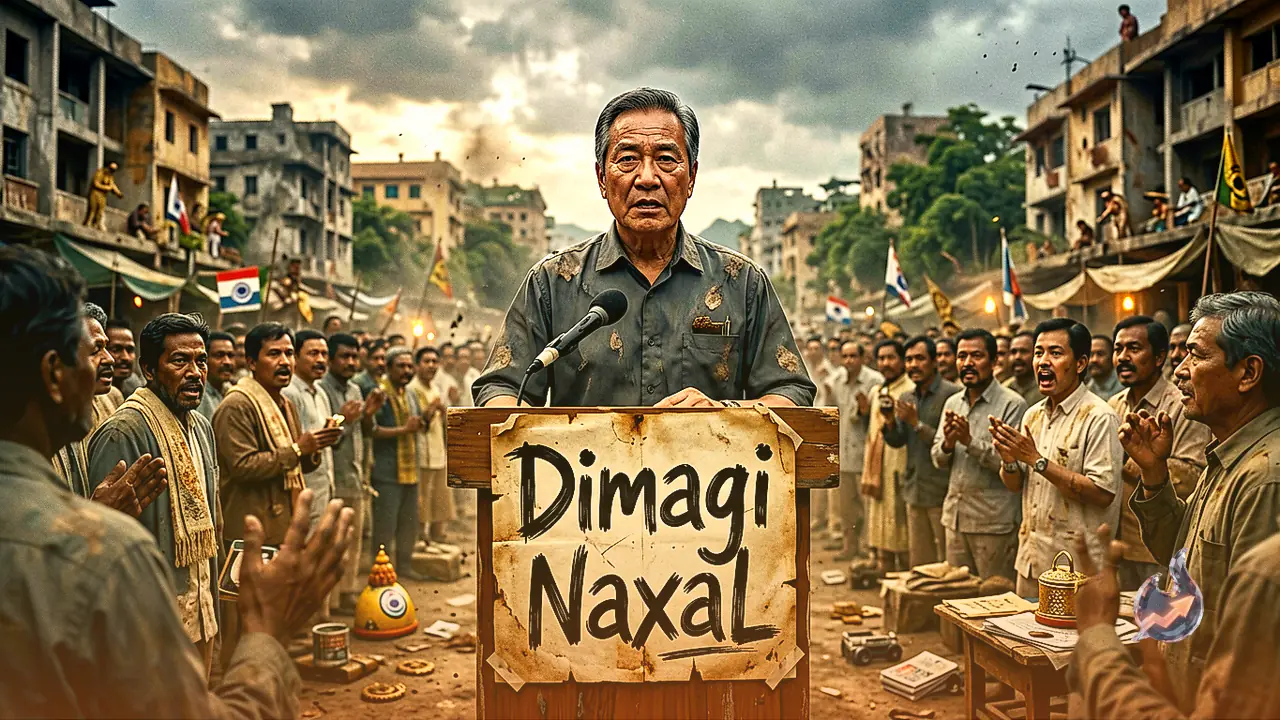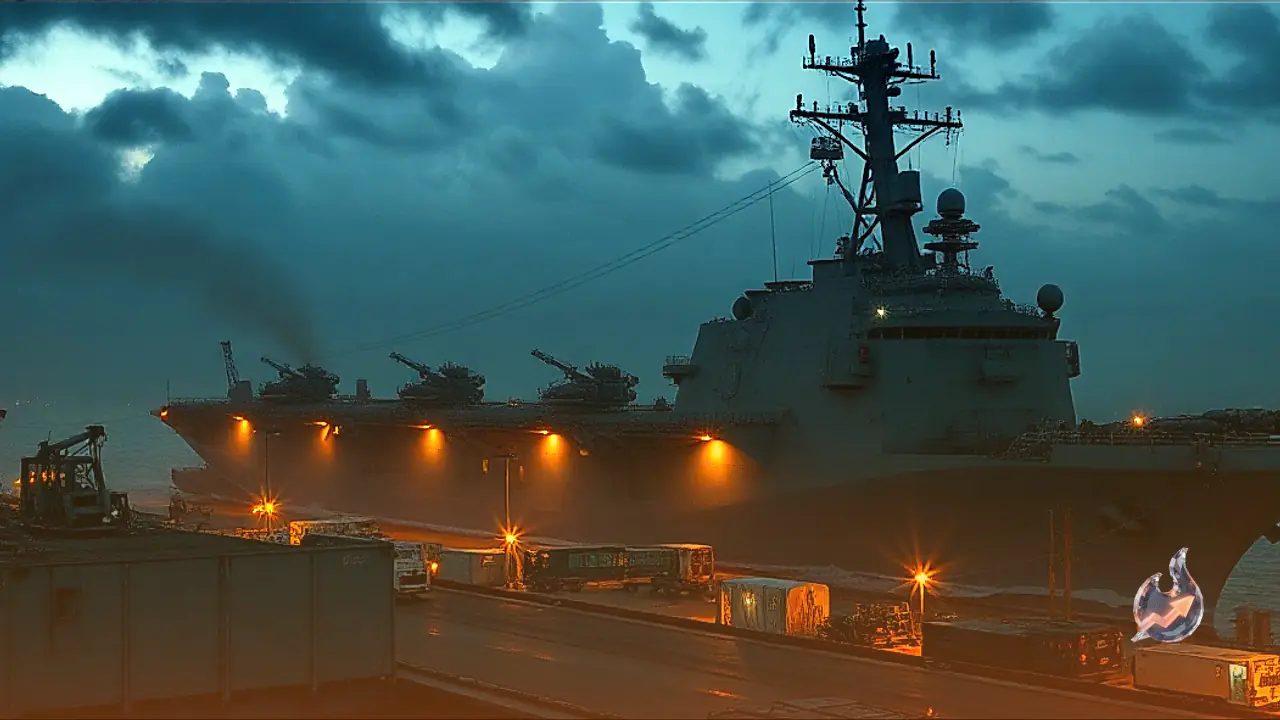

























Pakistan has implemented sweeping changes to its military command structure, granting Army Chief and Chief of Defence Forces Asim Munir significantly enhanced authority over the armed forces. This reorganization arrives a little over a year after Operation Sindoor laid bare how rapidly a confrontation between India and Pakistan can spiral out of control, prompting Islamabad to overhaul how it would wage its next conflict.
Restructuring the Pakistani Military Command
To understand the magnitude of these changes, one must look at how Pakistan's military was historically structured across three separate services. Previously, a senior officer held the post of Chairman Joint Chiefs of Staff Committee, whose responsibility centered on coordinating the Army, Navy, and Air Force without holding overall operational command over them. That specific post was abolished in November 2025.
In its place, Pakistan established the position of Chief of Defence Forces, or CDF. By December 2025, Asim Munir assumed both the role of Army Chief and the newly minted CDF position. Consequently, the individual commanding the nation's largest military branch now sits directly atop the entire joint command apparatus, exercising operational command and control over all armed forces through a newly established Defence Forces Headquarters.
The Defence Forces Act and Expanded Powers
The new command structure transitioned from administrative rearrangement into formal legislation on August 20, 2026, when the Pakistani Parliament passed the Defence Forces Act, 2026. This law details the expansive powers now vested in the CDF. Munir holds formal authority over joint operations encompassing all three military branches, alongside extensive administrative and organizational oversight.
Crucially, the legislation grants the CDF sweeping control over military personnel management, allowing him to hire, discharge, and retire officers, as well as extend service tenures at his discretion. Furthermore, the CDF occupies a pivotal role within Pakistan's strategic and nuclear command architecture. In response to these developments, India has likewise accelerated its own tactical restructuring, highlighted by the establishment of its first dedicated Baaz drone battalion for long-range surveillance, logistics, and strike operations along the western frontier.
Lessons Learned From Operation Sindoor
The impetus for this massive command overhaul stems directly from the hard lessons of Operation Sindoor, which underscored the critical necessity of joint warfare. During that conflict, India deployed missiles, combat aircraft, unmanned aerial vehicles, and sophisticated air-defense systems in a tightly synchronized manner. Pakistan was consequently forced to re-evaluate how rapidly its own service branches could coordinate responses during a major crisis.
Former Indian CDS Gen Anil Chauhan observed that Pakistan's reorganization serves as a direct reaction to the severe structural deficiencies exposed during Operation Sindoor. Although the restructuring began unfolding immediately after the May 2025 conflict, the passage of the new law in August 2026 provided the legal bedrock for the entire framework.
Faster Crisis Response and Chinese Weaponry
Assessing the operational impact of these changes, Indian Army veteran Lt Col JS Sodhi (retd) notes that consolidating decision-making under a single unified command marks the most profound shift for Pakistan. Under the prior framework, the Army, Navy, and Air Force operated through separate, siloed chains of command. Today, the CDF holds operational authority across all branches, backed by a joint headquarters and a newly formed Rocket Force dedicated to conventional deep strikes.
This centralized architecture enables faster, more coordinated crisis responses since commanders no longer need to navigate bureaucratic hurdles across disparate service branches. This heightened readiness has been forged over the past year, heavily bolstered by Chinese military hardware, intelligence sharing, and advanced weaponry playing an integral role in modernizing Pakistani capabilities.
Implications for India's Escalation Control
According to Lt Col JS Sodhi, the primary challenge for Indian military planners is not merely the speed of Pakistan's response, but the fundamental alteration of escalation dynamics. India can no longer treat a Pakistani reaction as a predictable, single-service counter-attack. Instead, Pakistan is engineering a multi-domain architecture where ground, air, strategic, and long-range strike assets operate in unison.
This development introduces three major complications for Indian strategy: responses to limited strikes could originate from entirely different military domains, escalation control becomes vastly more complex as multiple retaliatory vectors must be anticipated simultaneously, and the deep integration of Chinese military intelligence binds the bilateral dispute into a broader geopolitical contest. For foreign defense manufacturers, particularly in China, Pakistan serves as an ideal live-testing environment for modern combat systems.
Outlook for a Potential 2027 Conflict
These structural reforms, coupled with the ongoing militarization of governance in Islamabad, significantly elevate the probability of future military friction. Analysts project that a short, sharp military skirmish between India and Pakistan could materialize before the conclusion of 2027. This timeline is driven by Pakistan's accelerated military preparedness and Beijing's eagerness to evaluate its advanced arsenal in active combat environments without entering a direct war.