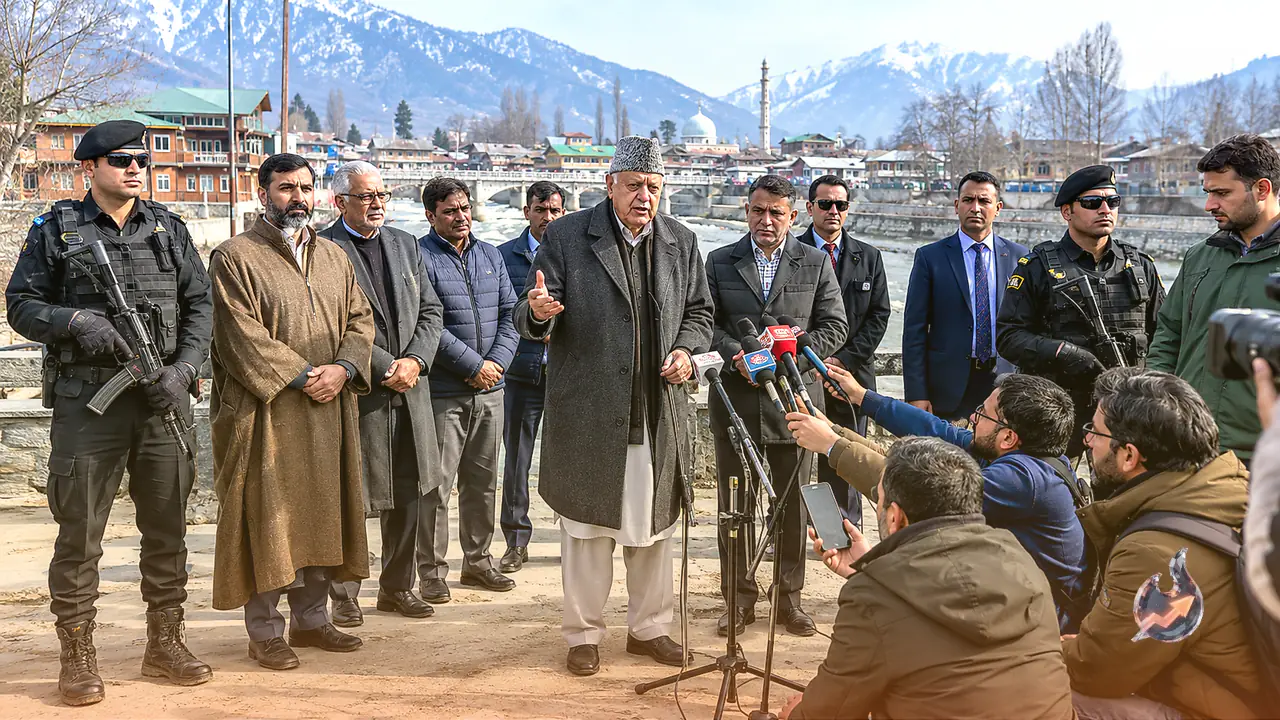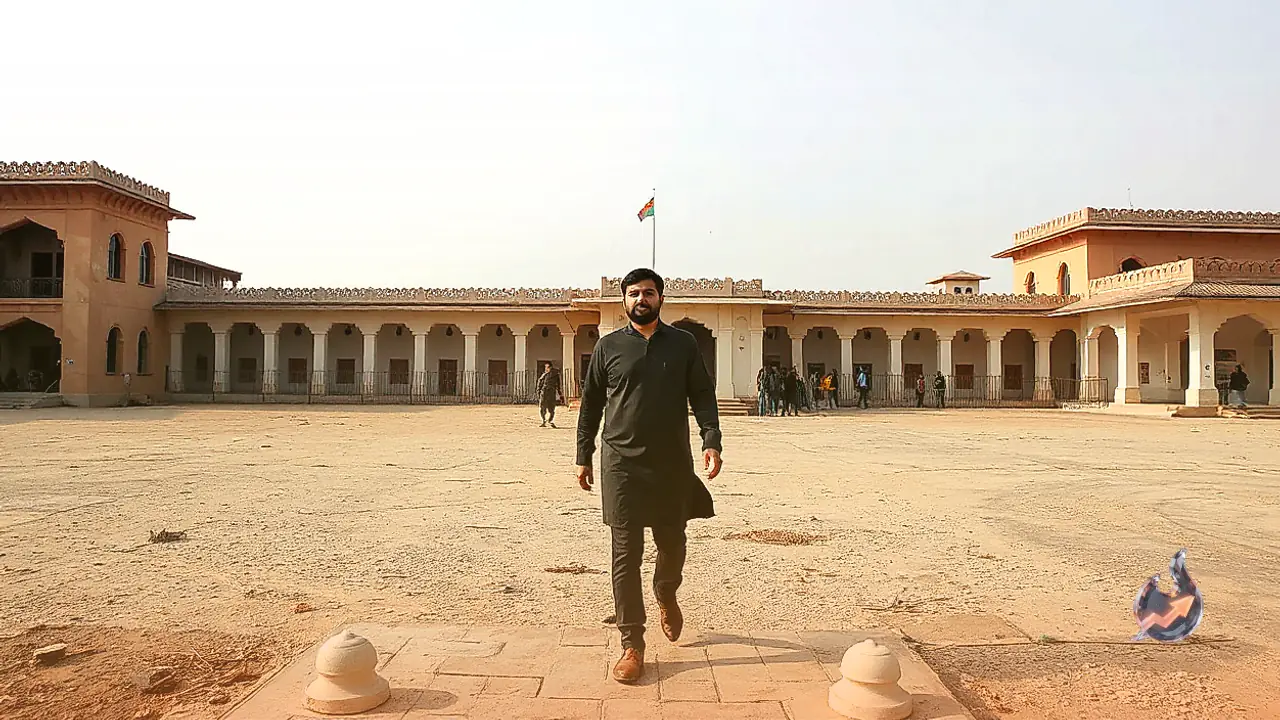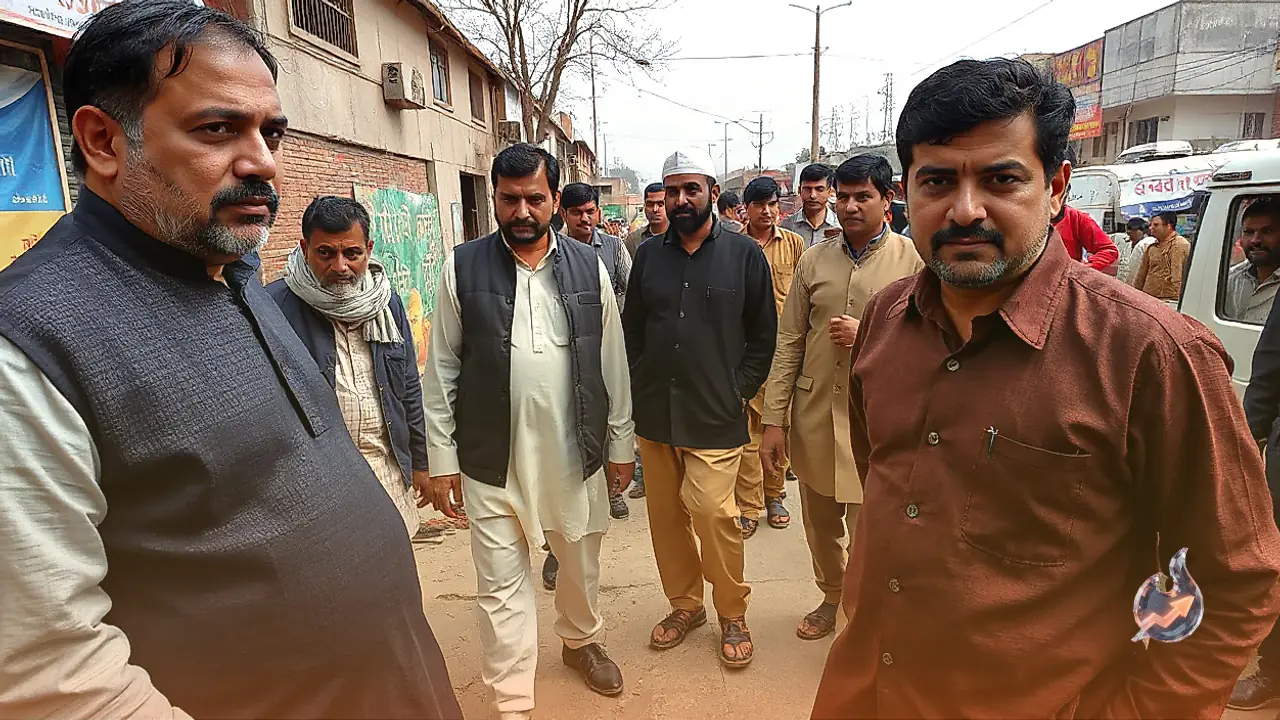


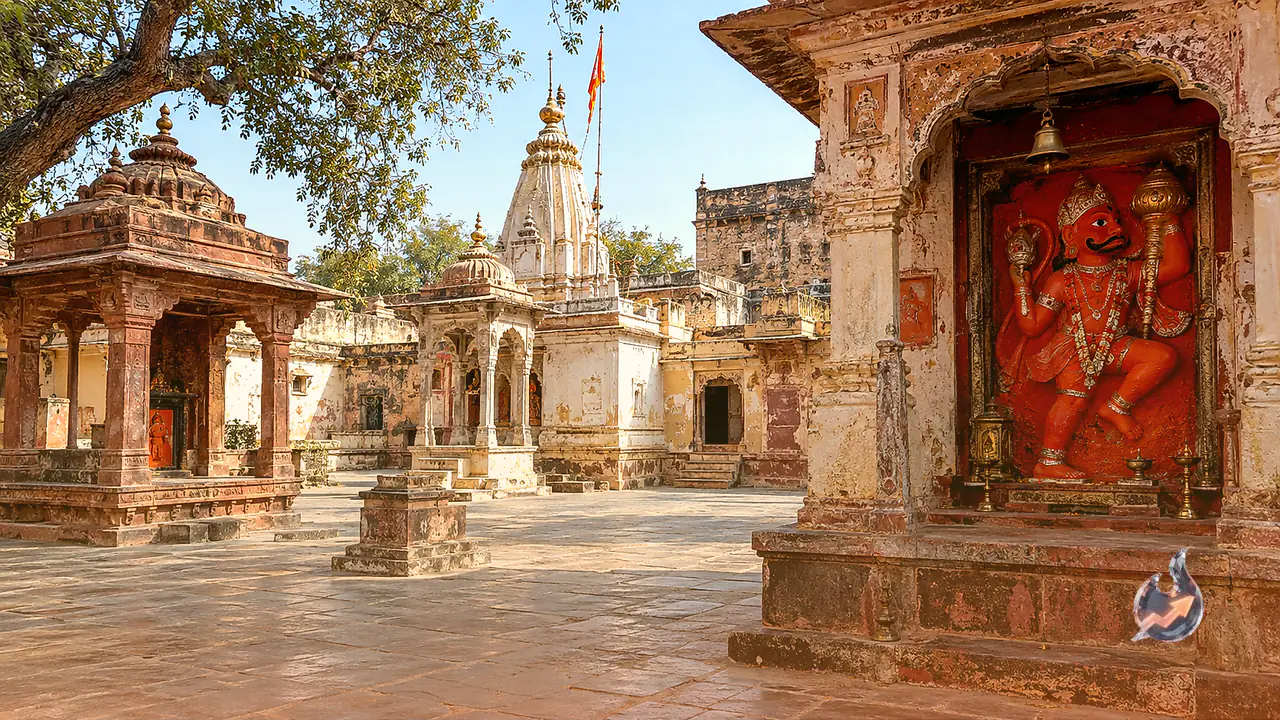

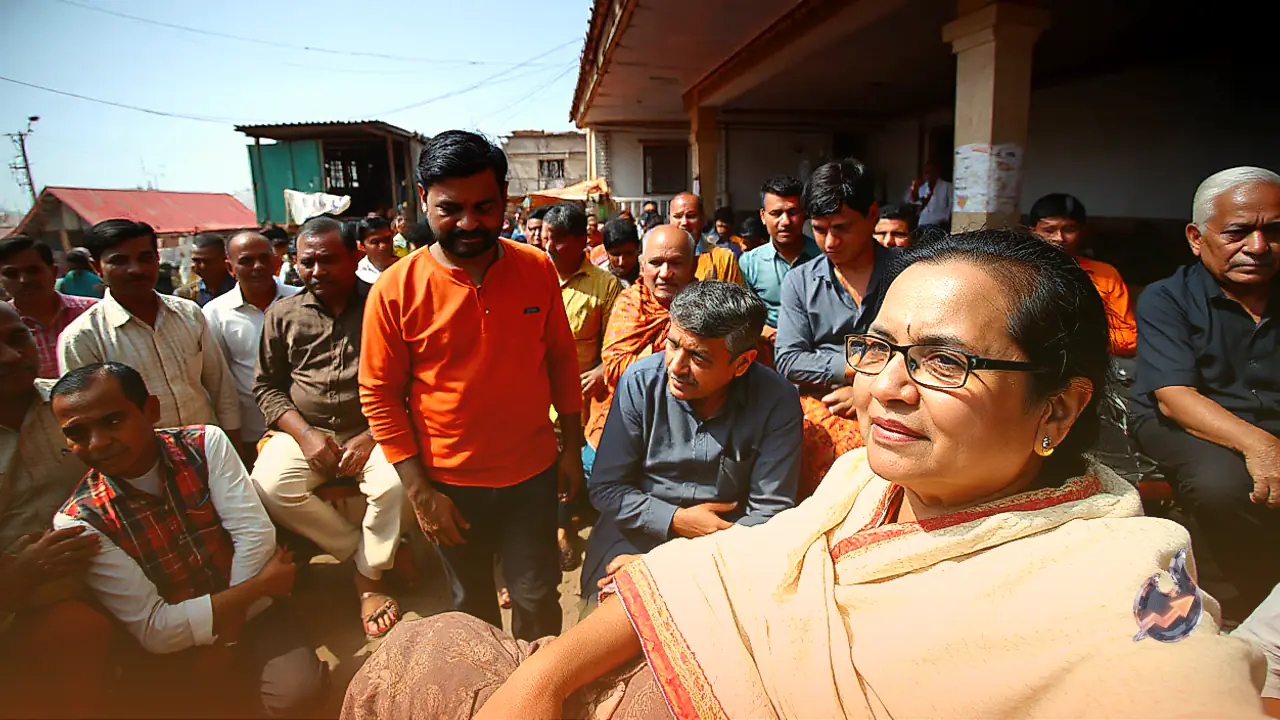















Kashmir is home to numerous ancient and deeply revered religious sites, some dating back over a thousand years. Among these is the ancient Sri Durgeshwari Temple located in the Bana Mohalla of Srinagar's Fateh Kadal area, which is currently undergoing extensive repair and renovation. Local residents and well-wishers have united to restore this historical shrine and preserve the cultural heritage of the region, while also expressing gratitude to the local community for ensuring the safety of this religious landmark. The restoration holds immense emotional and religious significance for Kashmiri Pandit families who share a generational bond with Bana Mohalla and Fateh Kadal, serving as a powerful testament to community participation and the preservation of Kashmir's shared heritage.
Unique Location and Memories of Coexistence
Situated near a mosque and a predominantly Muslim neighborhood, the Sri Durgeshwari Temple is distinct for being clearly visible from all directions. Until the 1990s, a large community of Kashmiri Pandits resided here, during which the call to prayer from the nearby mosque would mingle harmoniously with the sounds of temple rituals and conch shells, reflecting the unique brotherhood that once defined the area. Believed to be roughly 700 years old, the temple fell into ruins following the onset of militancy in the 1990s. While it once housed large idols of Goddess Durga and Lord Ganesh along with an ancient Shivling that remains inside, the Kashmiri Pandit community has now stepped forward after 36 years to restore the temple to its original architectural glory without any government assistance.
Revival Efforts and School History
Painting, lighting, and CCTV installation have already been completed, bringing the temple close to its pre-1990s appearance before the final reinstallation of the deities takes place. The temple complex also houses a school named Durga Pathshala, where thousands of Hindu and Muslim children studied together until the 1990s. Today, only the outer walls of this once-prestigious primary school remain standing, bearing testimony to the tragic displacement that affected institutions across the valley. For displaced families, the renovation bridges a vital gap to their ancestral roots, traditions, and memories.
Community-Led Initiative and Local Support
The restoration initiative commenced in September 2026 under the leadership of Shashi Tikoo, gradually evolving into a collective community endeavor akin to the revival of Srinagar's historic Sheetal Nath Temple after 36 years of abandonment. Local residents have welcomed the restoration with open arms, expressing joy at seeing the once-abandoned site regain its former vitality. Artisans working on the renovation share a deep sense of fulfillment, noting that working on the temple feels just as meaningful to them as working on their own mosque. Residents fondly recall sharing childhoods, classrooms, and festivals with their Kashmiri Hindu neighbors, extending an earnest invitation for their return.
Coordination and Future Hopes
According to Shashi Tikoo, a dedicated WhatsApp group was established to streamline support and coordinate the restoration activities. Basic amenities such as water connections were restored alongside electrical wiring, cleaning, and structural painting. Organizers have extended their appreciation to local residents and contributors for their support, hoping that this endeavor will inspire broader community participation in preserving historical temples and heritage sites throughout the valley. Historically recognized as a center of militancy during the 1990s, the Fateh Kadal area and its residents hope this renewed spirit of cooperation will foster lasting peace and harmony.