






















With the conclusion of the monsoon season, agricultural activities in Deoghar and other major farming belts across Jharkhand are shifting rapidly towards early winter cultivation. As cold weather approaches, regional farmers prepare extensive land parcels for commercial potato planting. Because potato demand remains consistently strong throughout regional markets, fetching favorable prices depends heavily on early harvest timing. However, harvesting large, well-developed tubers from beneath the soil requires methodical ground preparation well before seeds are placed into the furrows. Agricultural expert Vakil Yadav emphasizes that securing a heavy harvest relies directly on how systematically the land is conditioned during the post-monsoon window.
Deep Tillage and Achieving Fine Soil Tilth
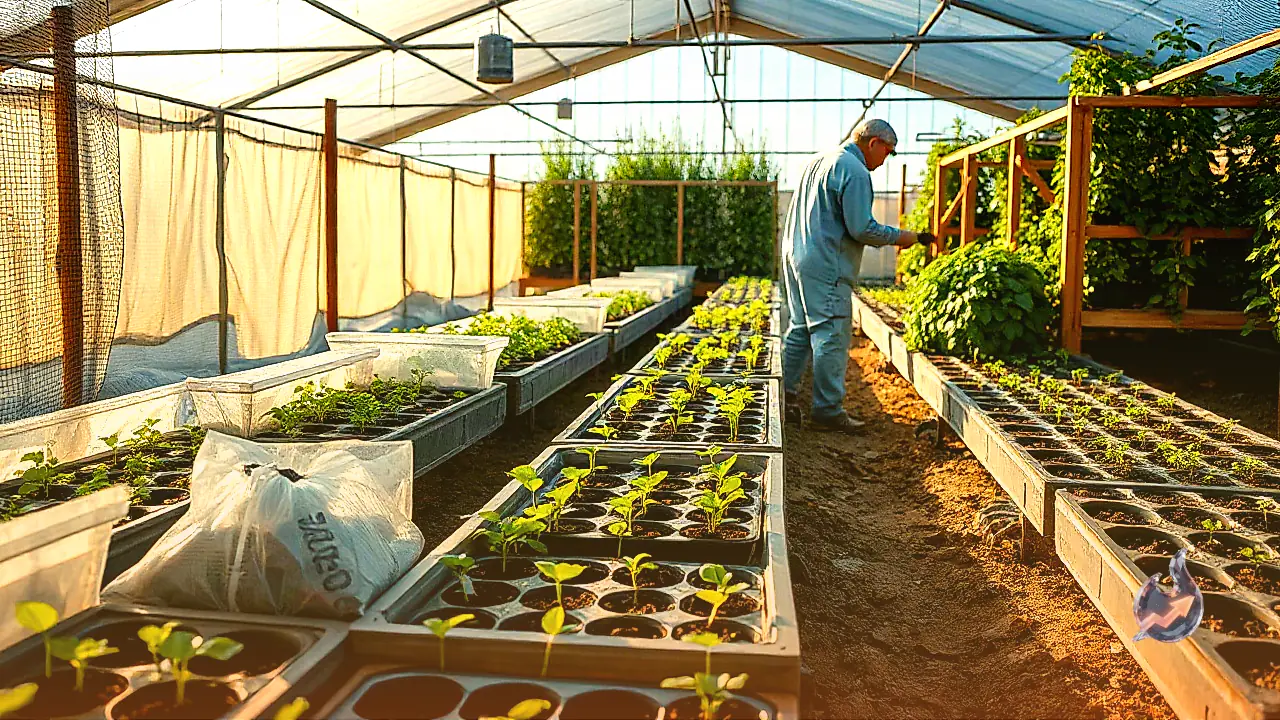
Initiating land preparation right after the rains stop is essential for setting up optimal soil structure. Agricultural specialist Vakil Yadav points out that farmers should begin by deep-ploughing their plots three to four times. Heavy monsoon precipitation often compacts the topsoil, creating a dense layer that restricts root penetration. Repeated tillage breaks down stubborn clods, leaving the soil loose, aerated, and friable. Loose soil texture provides minimal physical resistance, allowing expanding potato tubers to develop uniformly beneath the surface. Compacted earth, by contrast, restricts tuber expansion, leading to misshapen crops and diminished total harvest weights.
Incorporating Organic Manure and Sunlight Treatment
Upgrading soil fertility during tillage operations is equally critical for crop vitality. Expert guidance recommends mixing well-decomposed cow manure or vermicompost thoroughly into the tilled layer. Crucially, planting should not take place immediately after organic fertilizers are spread. Leaving the field exposed to open sunlight for three to four days after manure application offers significant biological advantages. Direct solar heat sanitizes the upper soil layer, neutralizing harmful fungal pathogens and soil-borne larvae while facilitating better blending of organic nutrients with the dirt. This initial solar treatment establishes a clean, nutrient-rich root zone for young plants.
Kufri Variety: Meeting Culinary and Industrial Processing Demand
Choosing the right crop variety alongside land conditioning determines both total tonnage and final profit margins. While several potato varieties exist in the market, the Kufri variety stands out as an exceptionally rewarding choice for growers. According to agricultural experts, Kufri potatoes are renowned for producing uniformly large, healthy tubers. A distinct advantage of Kufri is its dual-market appeal: it serves daily household culinary needs while simultaneously meeting the strict quality standards of the commercial potato chips and processing industry. Farmers targeting processing buyers can capitalize on high commodity demand and secure premium farmgate prices.
Harvesting in 60 Days: Time Management and Market Advantage
The short maturity cycle of the Kufri variety gives growers a distinct competitive edge. Maturing in roughly 60 days, this variety allows farmers to bring an early crop to market ahead of peak seasonal gluts, capturing premium early-season pricing. Experts caution, however, that selecting superior seed stock must be backed by consistent crop care, including balanced nutrient management, timely light irrigation, and vigilant pest monitoring. Initiating soil preparation during the final days of September ensures that planting aligns perfectly with the onset of winter temperatures, laying the groundwork for maximum production and superior financial returns.