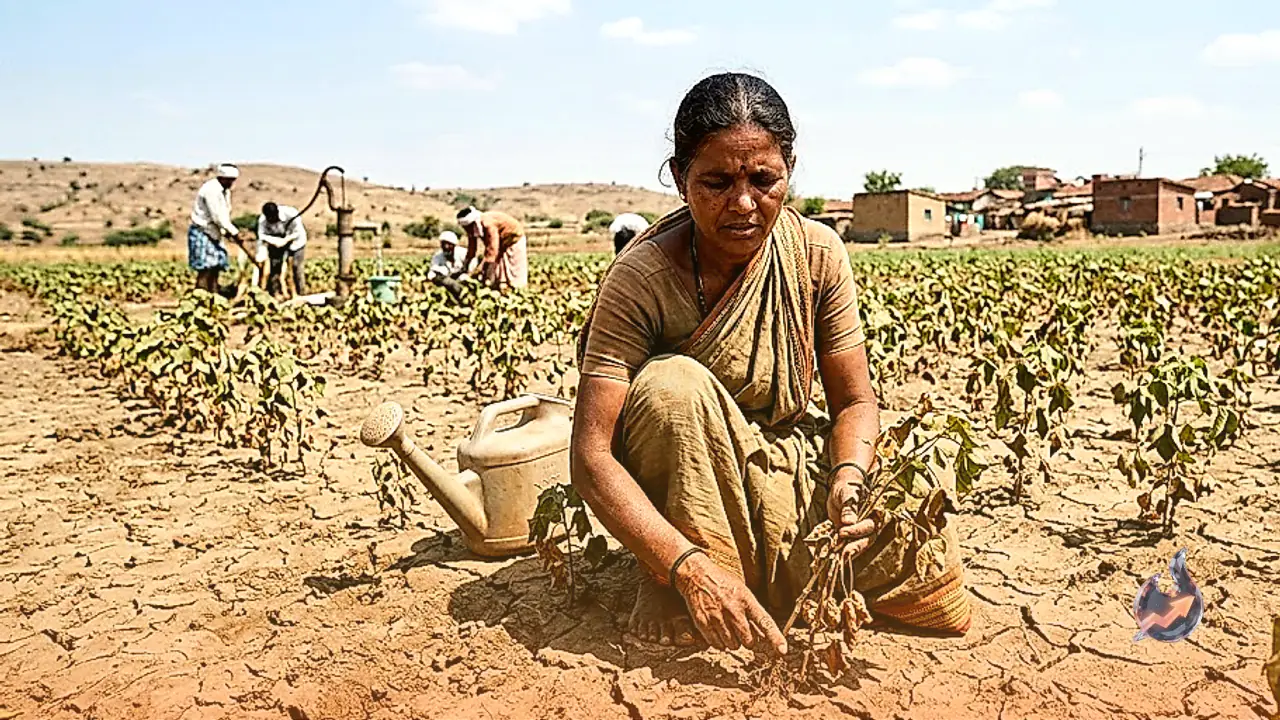

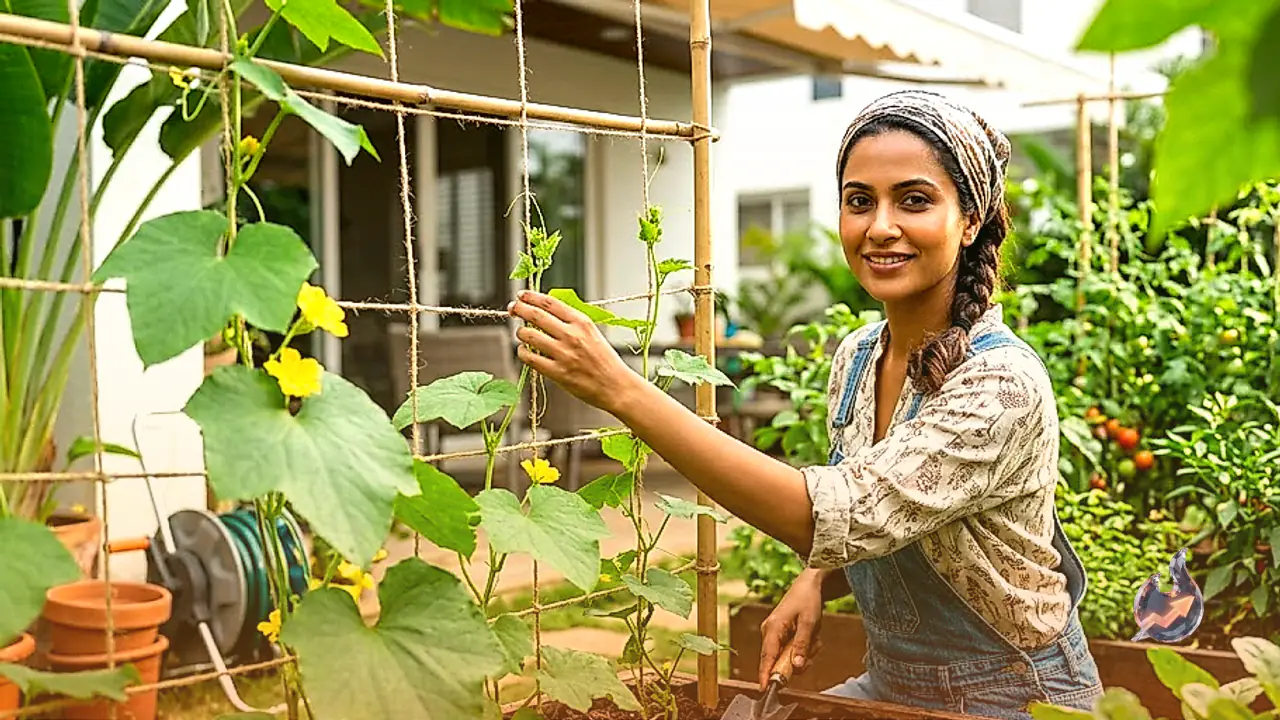



















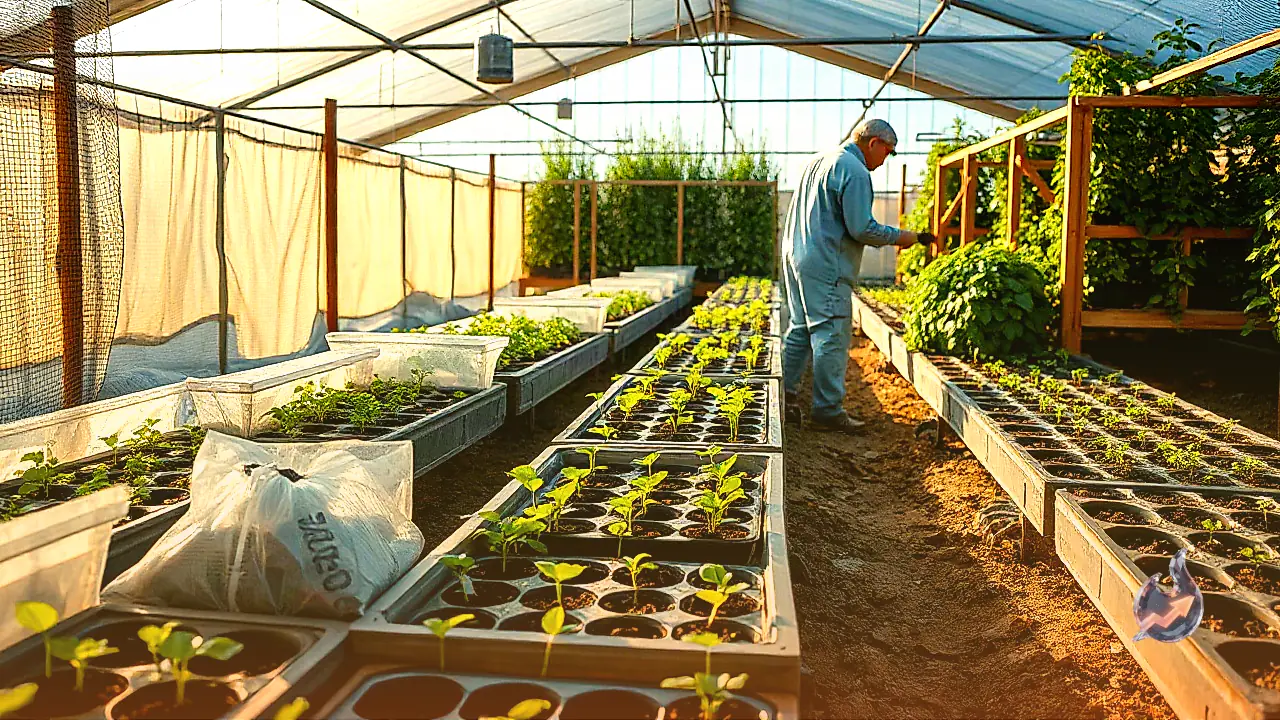

September serves as the most critical period for farmers gearing up for the cultivation of winter season vegetables. In the Deoghar district of Jharkhand, numerous agricultural producers have commenced the process of preparing their seasonal vegetable nurseries. However, agricultural specialists emphasize that despite purchasing high quality and expensive hybrid seeds, many farmers make fundamental errors during the nursery raising stage. These initial lapses directly impair plant vitality, restrict growth momentum, and ultimately reduce the overall harvest. Improper nursery management frequently causes germination failure or seedling rot in early stages, resulting in direct financial losses for cultivators.
Why Premium Seeds Fail under Improper Nursery Management
According to Deoghar based agricultural expert Vakeel Yadav, the secret to maximizing profits from vegetable farming lies in the meticulous care provided at the nursery stage. Farmers often invest substantial capital in high yielding hybrid seeds from the market but fail to adopt correct nursery preparation techniques. When seedlings emerge weak or diseased due to poor bed preparation, their development remains stunted even after being transplanted into the main field. Weak plants are far more vulnerable to pest infestations and fungal pathogens, leading to reduced yields. Consequently, acquiring quality seeds must be coupled with proper scientific techniques for seed germination and seedling care.
Evaluating Nursery Techniques: Traditional Raised Beds versus Pro-Trays
Vegetable nurseries are primarily established using two distinct methods. The traditional approach involves raised soil beds constructed slightly above ground level. The modern alternative relies on pro-trays, also known as plug trays, which consist of multi-celled plastic trays filled with nutrient-rich growing media like cocopeat. Agricultural expert Vakeel Yadav points out that the pro-tray method offers far greater advantages and security compared to conventional soil beds. By providing individual growth cells for each seed, pro-trays ensure uniform nutrient distribution, controlled moisture retention, and superior plant health during the critical early growth phase.
Weather Resilience and the Portability of Plug Trays
One of the most significant operational benefits of the pro-tray technique is its portability. The month of September frequently experiences unpredictable weather, including heavy rainfall spells and intense heat. Seedlings grown on traditional open raised beds are susceptible to root rot and soil erosion caused by standing rain water. In contrast, pro-trays can easily be shifted by hand to covered sheds, polyhouses, or protected areas whenever intense rainfall threatens the crop. Once favorable conditions return, the trays can be moved back into natural sunlight. This mobility shields young saplings from extreme weather hazards and prevents total crop loss.
Preserving Root Health and Preventing Transplant Shock
When seedlings are uprooted from conventional raised soil beds for field transplanting, their delicate primary and secondary roots often snap or get stripped of soil. This severe root damage causes transplant shock, forcing the seedling into a prolonged recovery phase in the main field and sometimes causing plant mortality. Conversely, seedlings raised in pro-trays slip out seamlessly along with their intact root plug and growing medium. Because the root system suffers zero trauma during extraction, the plant establishes itself immediately upon field insertion, maintaining uninterrupted growth and uniform crop development.
Strategic Nursery Care in September for Maximum Farming Income
Achieving superior yields and higher economic returns from winter vegetable farming requires strict adherence to scientific nursery practices starting in September. Expert Vakeel Yadav advises farmers to avoid hasty procedures and transition toward pro-tray systems wherever feasible. Taking adequate precautions, utilizing proper media, and safeguarding young seedlings against weather risks prevents plant mortality and builds a strong foundation for crop production. Healthy, robust seedlings result in earlier harvests and better crop quality, enabling farmers to command premium prices in the market during the peak winter season.