





















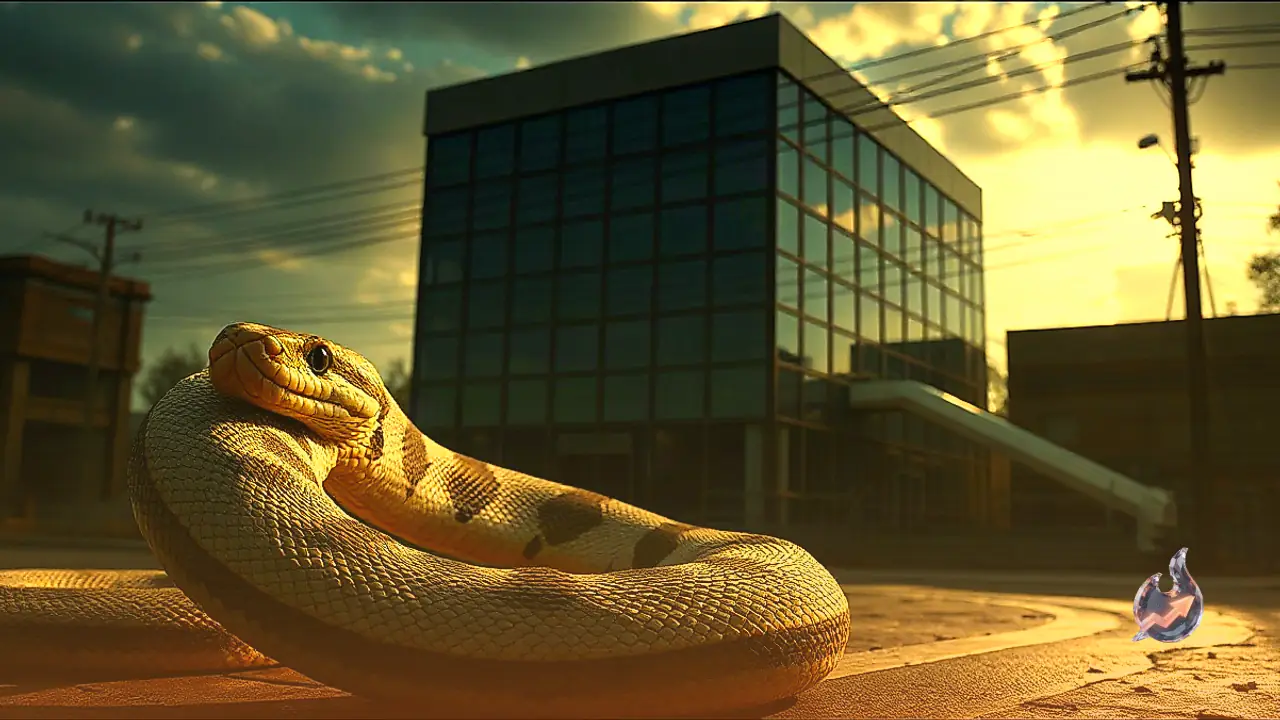

Incidents of snake bites see a noticeable surge during the monsoon season. Continuous rainfall often inundates the subterranean burrows where snakes typically shelter, compelling them to venture out toward dry land, residential houses, agricultural fields, and human habitations in search of secure environments. This seasonal movement dramatically elevates the chances of accidental human encounters. Due to widespread panic and lack of correct information, people frequently waste precious moments trying to corner or kill the reptile, whereas the single most critical intervention is rushing the victim to an established healthcare facility without any delay.
The Biology Behind Snake Fangs and Multiple Bites
A widely circulated notion claims that once a snake bites, it becomes completely incapable of biting or discharging venom for several months. Dr D S Srivastava, an expert from Palamu district, explained that such perceptions originate from misunderstandings about the anatomy of snake fangs and venom glands. Fangs are specialized teeth located inside the snake's mouth that serve as hypodermic needles to inject venom. If these delicate structures suffer physical damage during a defensive strike or an encounter, the snake faces extreme difficulty in delivering another venomous bite. Under such specific conditions where the fangs are broken or damaged, a snake may be unable to bite effectively again for up to six months.
Crucial Function of Venom Glands and Tooth Regeneration
For a snake, venom apparatus is not merely a defensive mechanism but a fundamental survival tool required for procuring food. While venom glands synthesize and store the toxic secretions, the fangs play an essential role in subduing and securing prey while channeling the venom. When fangs are damaged, the snake struggles severely to catch prey, which severely impedes its ability to feed itself. The recovery timeline for these specialized structures varies depending on the specific snake species and anatomical traits. In typical scenarios, regenerating a fully functional replacement tooth requires a duration ranging between 3 to 6 months.
Neurotoxic and Hemotoxic Venom Profiles in Common Species
The physiological aftermath of a bite varies significantly depending on the offending species. Snakes such as the cobra and the krait possess primarily neurotoxic venom, which selectively targets the nervous system and muscular control. As the venom advances through the physiological pathways, it disrupts communication between nerves and muscles, eventually paralyzing the respiratory system and creating critical breathing distress.
Conversely, the venom of the Russell's viper demonstrates a potent hemotoxic effect that directly compromises the circulatory system. This disruption interferes with normal blood-clotting mechanisms and can trigger severe internal and external bleeding complications. Following a venomous bite, patients frequently experience localized acute pain, rapid swelling, and bleeding around the puncture marks. Relying on superstitious practices, occult rituals, or unverified household cures in these situations can prove fatal; immediate hospital admission and timely professional medical treatment remain the only definitive measures to preserve life.