























Serpents continue to evoke intense fear and curiosity across human communities. Every year, venomous snakebites claim numerous human lives, reinforcing an enduring perception of terror. Yet beyond the danger, the reproductive biology and survival instincts of these reptiles present fascinating scientific insights. Snake species exhibit diverse reproductive mechanisms rather than following a uniform pattern. Certain varieties reproduce by laying clutches of eggs, whereas others give birth directly to live offspring. Unlike mammals, hatchlings and newborn snakes rarely receive post-birth nurturing, venturing out to forage and survive entirely on their own from the first moments of life.
Reproductive Timelines and Incubation Differences
Addressing the mechanics of reptile reproduction, Palamu district expert Dr. D S Srivastava explained that mating intervals, gestation windows, and brood sizes fluctuate significantly across distinct snake classifications. In oviparous species, the female deposits eggs externally to incubate under environmental warmth. Conversely, viviparous varieties develop embryos internally, culminating in the birth of fully formed young. Consequently, establishing a rigid calendar window of fifteen days or one and a half to two months for all species is biologically inaccurate. Depending on specific species traits, the incubation duration required for eggs to hatch can range from multiple weeks up to roughly two months.
Venom Delivery and Lethality in Newborns
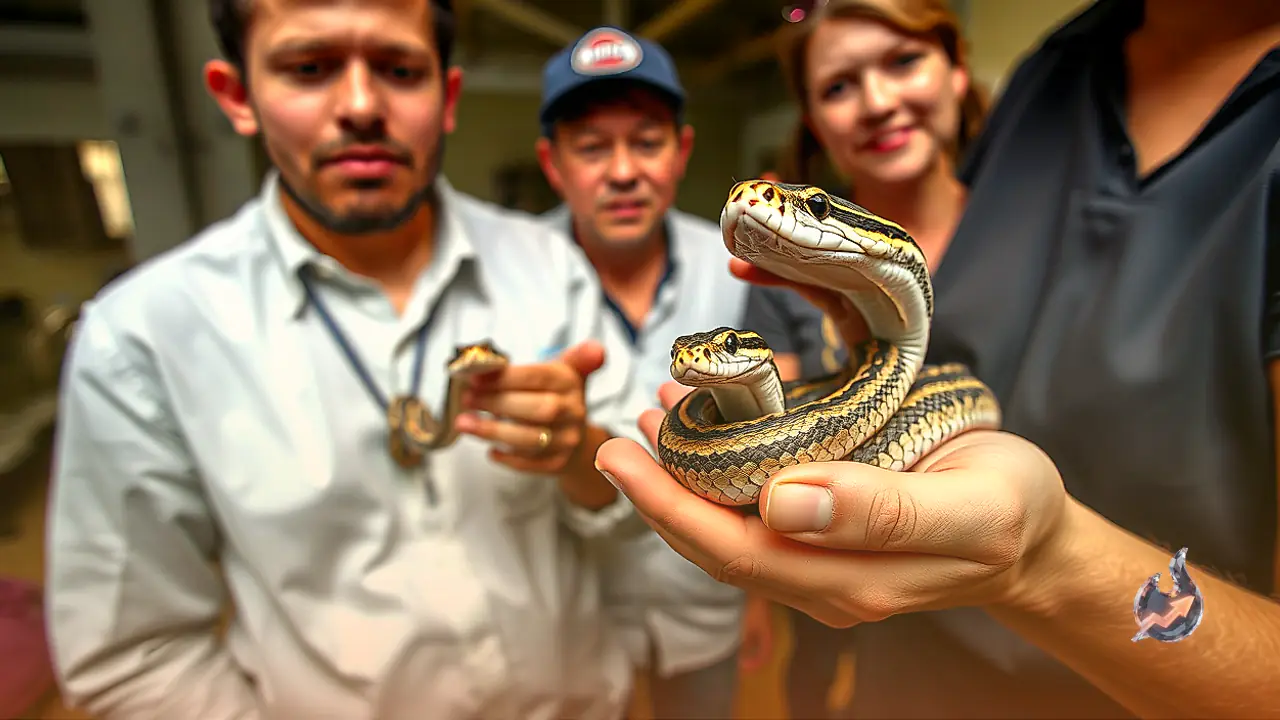
A widespread question centers on whether newborn serpents possess the capability to inflict fatal envenomation. Dr. D S Srivastava noted that lethal varieties like the cobra and krait possess fully operational venom apparatuses immediately upon hatching or birth. While not every serpent species on the planet carries venom, those belonging to toxic lineages emerge biologically equipped to hunt prey and defend themselves instantly. Unlike human infants, they require zero parental tutelage or feeding assistance to master complex defensive and hunting behaviors.
Absence of Parental Care and the King Cobra Exception
Maternal and paternal instincts remain largely absent across the serpent world. In most instances, female snakes abandon the nesting site shortly after laying their clutch. Once the hatchlings emerge into the open, they must immediately secure their own food sources and seek sheltered hideouts away from predators. A prominent exception to this detached behavior appears in the female King Cobra, which constructs an intricate nest and vigilantly guards her clutch until hatching commences. Nonetheless, this maternal guardianship terminates the moment the young break through their shells, forcing the newborns into complete self-reliance.
The Biological Truth Behind Consuming Their Own Young
Among the most unsettling observations in herpetology is the phenomenon of snakes consuming their own offspring. Numerous serpent species are natural ophiophages that regularly feed upon smaller reptiles. When an adult snake encounters a juvenile reptile moving within strike range, it identifies the creature purely as an opportunist meal rather than family. Serpents lack mammalian neurological faculties responsible for emotional bonding, social kin recognition, or extended family structures. Driven entirely by predatory impulses in opportunistic situations, larger snakes inevitably swallow juvenile serpents, inadvertently preying upon their own lineage.