




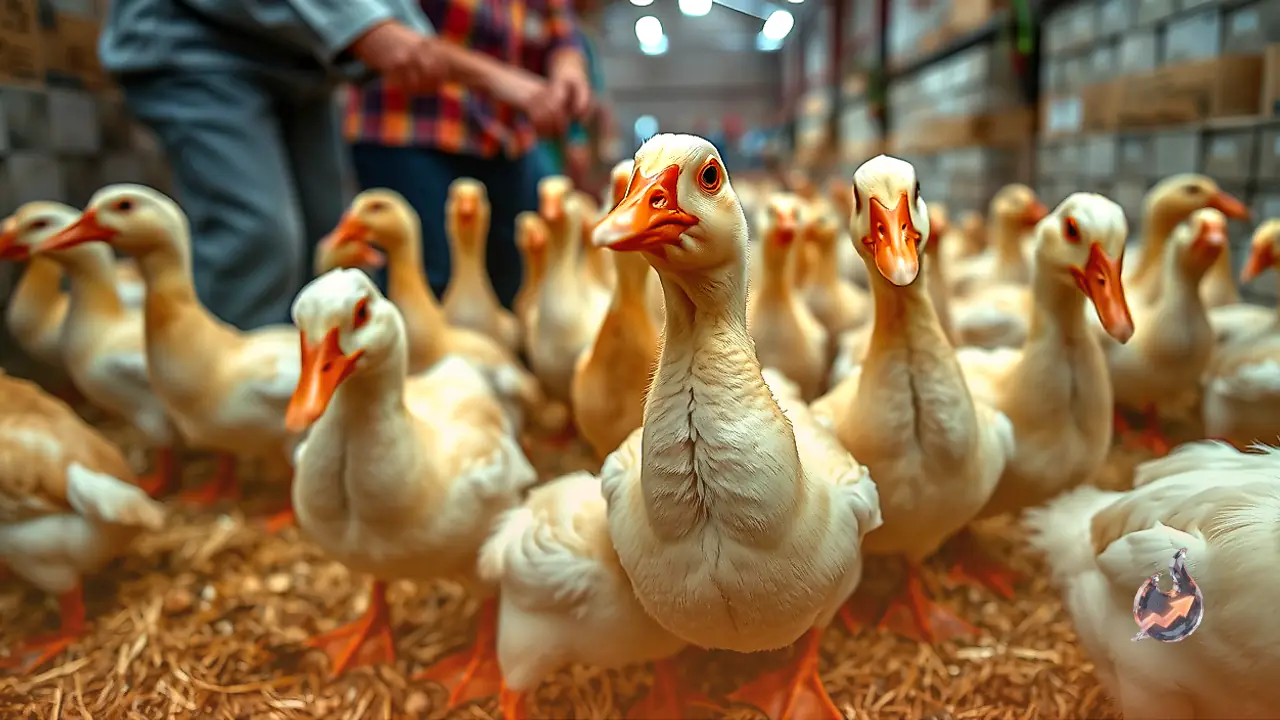















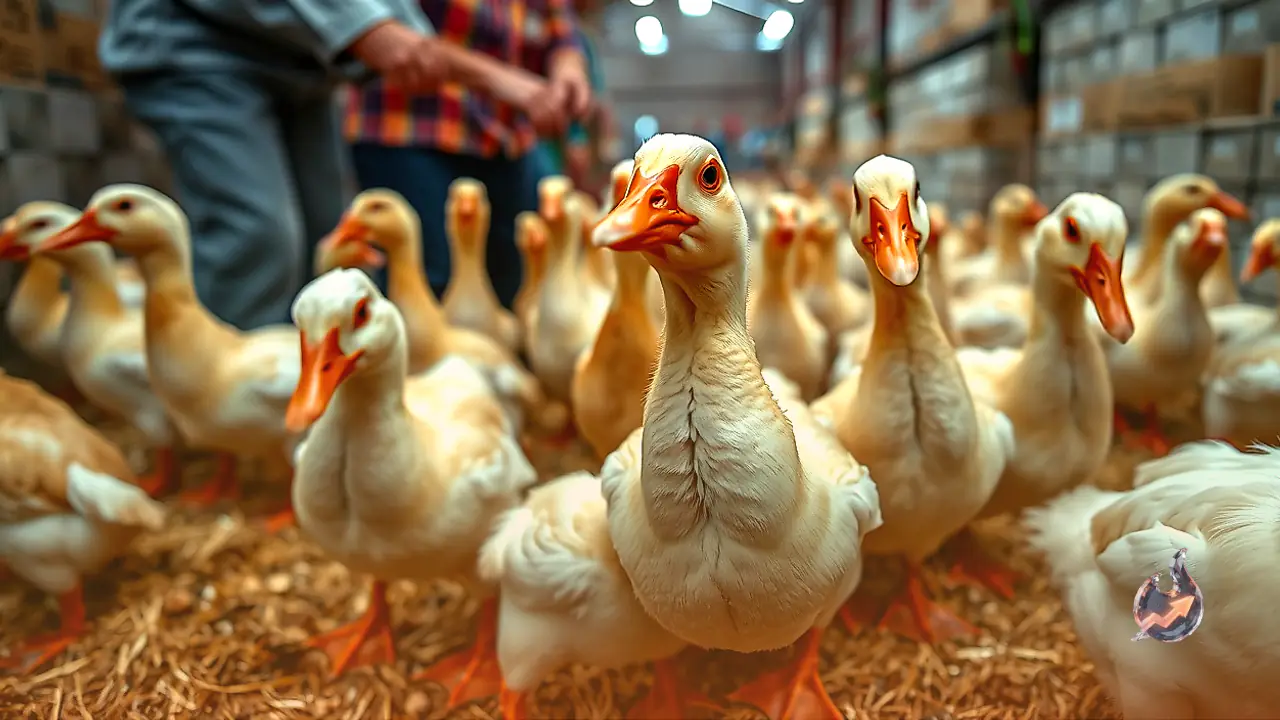

Farmers managing duck poultry operations need to monitor living conditions and foot hygiene closely to protect their flocks from debilitating physical distress. Although ducks naturally split their time between open water and dry ground, confining them to persistently wet surfaces triggers foot swelling and noticeable red patches. Dr. Deepti Minz, a veterinary doctor at the Chas Model Veterinary Hospital in Bokaro, explains that abrasions or cuts on the footpads expose birds to heightened bacterial risks. Whenever pathogens like Staphylococcus infiltrate these wounds, the infection rapidly intensifies into the painful condition known as bumblefoot, causing profound lameness.
Recognizing Behavioral Symptoms and Mobility Loss
The hallmark indicator of bumblefoot is severe lameness caused by painful swelling on the undersides of the duck's webbed feet. Stricken birds often stop walking altogether, choosing instead to remain seated in one spot to avoid putting any body weight on tender footpads. Without immediate veterinary intervention, the bacterial colony spreads deeper into the foot structures. Advanced cases risk permanent structural damage to the bird's limb, leaving the duck severely disabled and struggling to feed or hydrate itself normally.
Impact on Poultry Production and Commercial Output
Physical ailments and prolonged physical stress quickly suppress the reproductive and biological output of any farm bird. When a duck's foot health deteriorates, flock owners experience steep declines in both egg laying rates and overall meat yields. Dr. Deepti Minz stresses that farmers must never brush off early foot inflammation as an insignificant blemish, because unchecked illness damages commercial output across the flock. What starts as a small cut can rapidly spiral into substantial financial losses across an entire farming cycle.
Preventive Hygiene and Housing Management
Preventing bumblefoot relies fundamentally on keeping duck shelters dry, sanitized, and properly managed throughout the week. Damp bedding and moisture-laden flooring should be cleared out and replaced on a regular schedule before bacterial colonies can multiply. Furthermore, keepers must inspect walking yards and clear away sharp stones, thorns, glass, or rough litter that can cut into soft footpads. Eliminating physical hazards removes the entry points that opportunistic bacteria need to establish infections.
Isolation Protocol and Professional Care
Whenever a duck exhibits an uneven gait or obvious limping, caretakers should isolate it immediately from the broader flock to evaluate the footpad thoroughly. Check the inflamed limb for lesions, dirt buildup, or localized heat, and keep the affected foot clean. Rather than attempting untested home remedies or applying over-the-counter antiseptics without guidance, owners should consult a qualified veterinary practitioner. Prompt diagnosis, disciplined shelter hygiene, and timely professional therapy allow poultry farmers to keep bumblefoot risks under tight control.