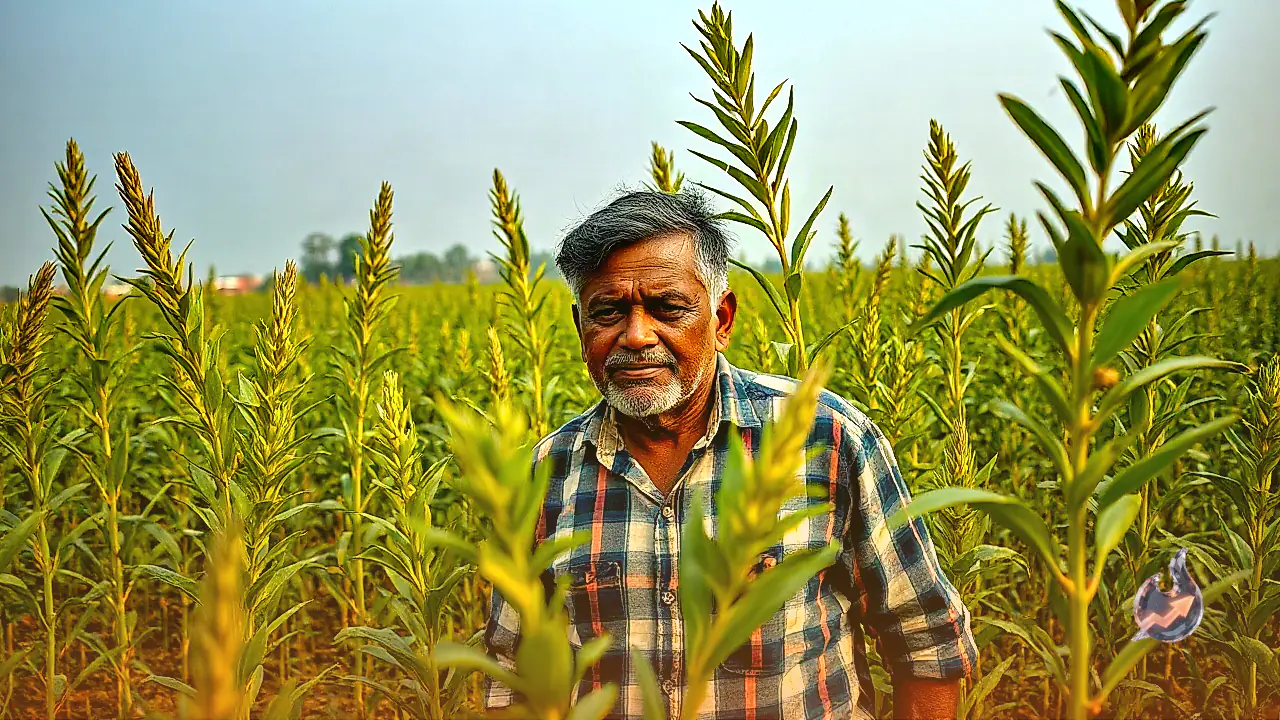

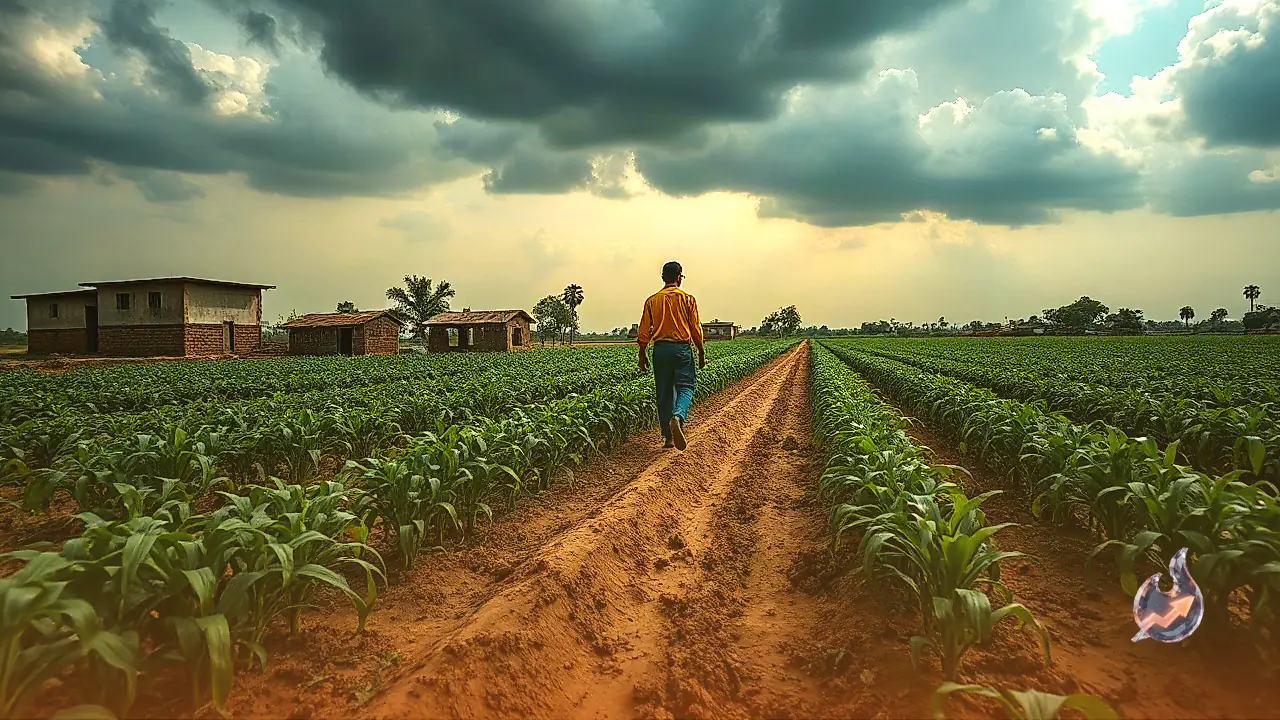




















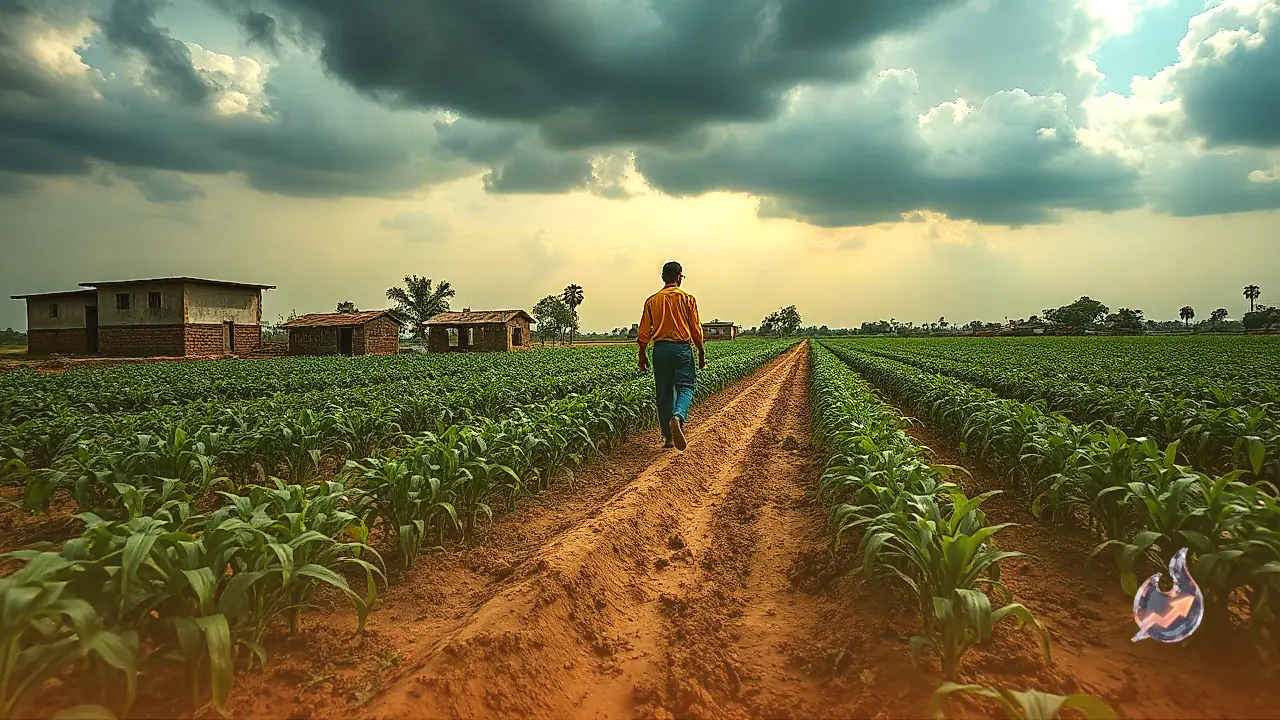

Agricultural fields across Palamu where farmers grew kharif maize are now gradually clearing up as the harvest concludes. Instead of leaving their land barren for an extended duration during the upcoming rabi season, cultivators can effectively switch to potato farming. By preparing the fields immediately after clearing the maize and initiating timely potato sowing, farmers can successfully harvest two separate crops from the exact same plot within different seasons. This practice allows for much better utilization of valuable agricultural land while simultaneously opening up avenues for generating additional income. Since several potato varieties mature within roughly eighty to one-day periods, time management plays a crucial role in this agricultural cycle. Farmers are advised not to delay field preparations following the maize harvest, as timely sowing ensures the crop receives the most favorable weather conditions for optimal growth.
Prioritizing Quality Seeds and Modern Varieties
Dr. Akhilesh Shah, an agricultural scientist at the Regional Research Station Chianki, explained that farmers interested in potato cultivation should start arranging for superior quality seeds well in advance without waiting for the exact sowing dates to arrive. He emphasized the absolute necessity of utilizing certified and high-quality seeds to ensure the crop gets off to the best possible start. Cultivators must carefully evaluate their specific regional soil conditions, prevailing weather patterns, and ongoing market demands before making decisions. Several new and improved varieties are currently accessible in the marketplace, which generally yield significantly better production levels compared to traditional options. Nonetheless, the final selection of any specific variety must be carried out after thoroughly examining local environmental circumstances.
Sandy Loam Soil and Effective Drainage Requirements
Sandy loam soil is widely regarded as the most suitable medium for successful potato cultivation. This particular type of soil possesses excellent water drainage properties, which significantly aids in the proper development and expansion of potato tubers. Numerous areas within Palamu feature this specific soil composition, allowing farmers in those regions to transition smoothly into potato farming right after harvesting their maize crops. However, absolute care must be taken to prevent any water stagnation or logging within the fields. Excess moisture levels can easily cause severe damage to the growing potato tubers, thereby ruining months of hard work and investment.
Traditional Local Varieties Versus Advanced Choices
According to agricultural experts, the Lall Gulab variety of potatoes has been cultivated across the Palamu region for a long period, making it a familiar name among local farming communities. At the same time, contemporary farmers now have access to a diverse array of advanced alternative options. These modern choices notably include varieties such as Kufri Lalima, Kufri Pokhraj, and Kufri Vandana. Growers have the freedom to select the most appropriate variety based on local seed availability, expected production capacity, and current market demand in their respective localities.
Selecting Ideal Seed Tubers and Sorting Procedures
The physical size of the seed tuber holds immense significance in overall potato farming outcomes. Farmers should strictly refrain from utilizing excessively large potatoes as planting seeds. Instead, healthy seed tubers weighing approximately twenty-five to thirty grams are considered ideal for cultivation. Thorough sorting of the seeds must be conducted meticulously prior to the actual sowing process. Only disease-free and vigorous tubers ought to be handpicked for planting, as this uniformity ensures that plants develop evenly across the entire field. Even plant growth ultimately makes subsequent crop maintenance and monitoring tasks much simpler for the grower.
Maximizing Land Utility Post Maize Cultivation
Engaging in potato farming on plots freshly vacated by maize crops presents a highly viable and lucrative option for local cultivators. This approach ensures that the soil does not remain idle for prolonged periods, allowing the same piece of land to be utilized across multiple seasons. According to agricultural specialists, achieving a successful harvest hinges on timely field preparation combined with the selection of top-tier quality seeds. Proper variety selection alongside balanced fertilizer and water management practices remains indispensable. By keeping all these critical factors in perspective, farmers can substantially enhance their land utility and overall productivity through post-maize potato cultivation.