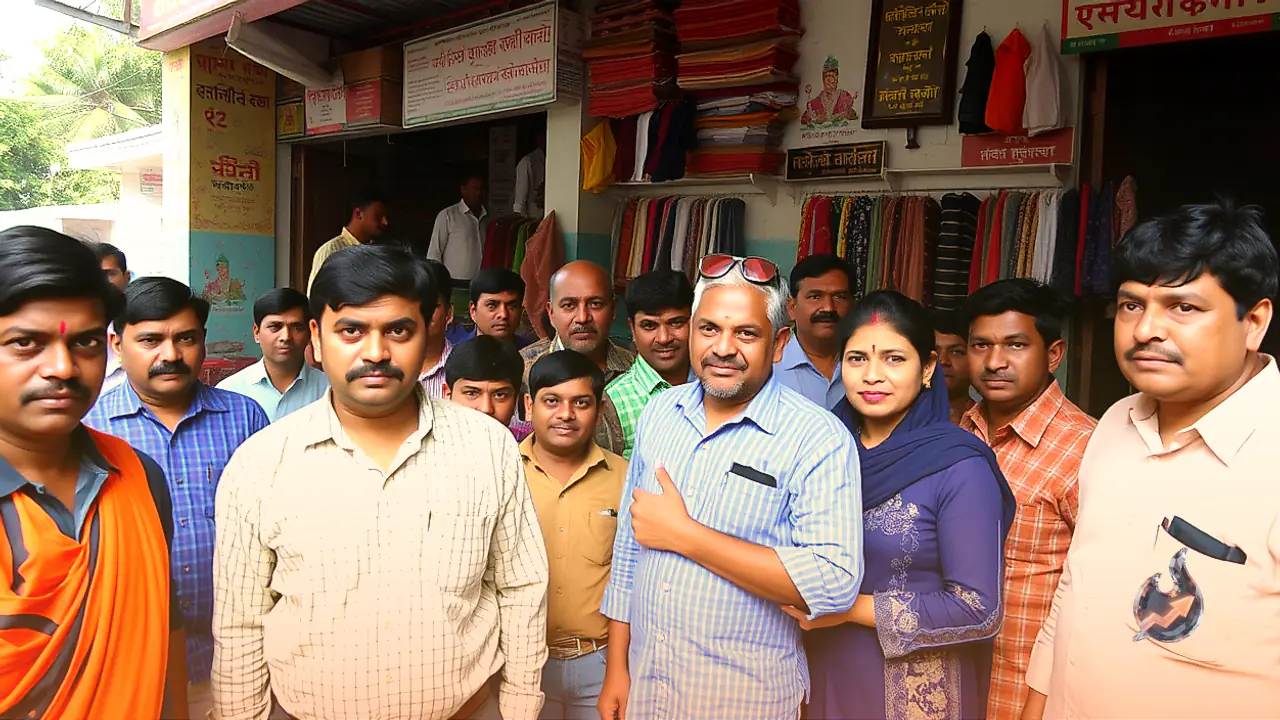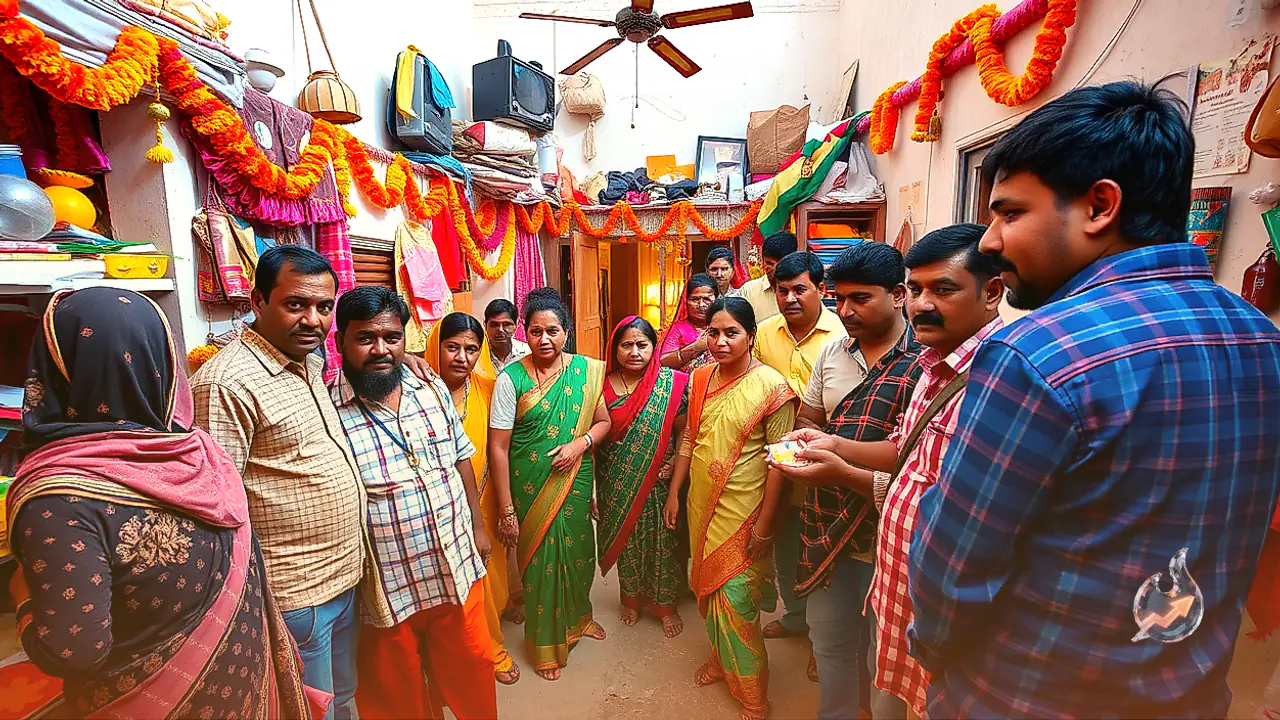


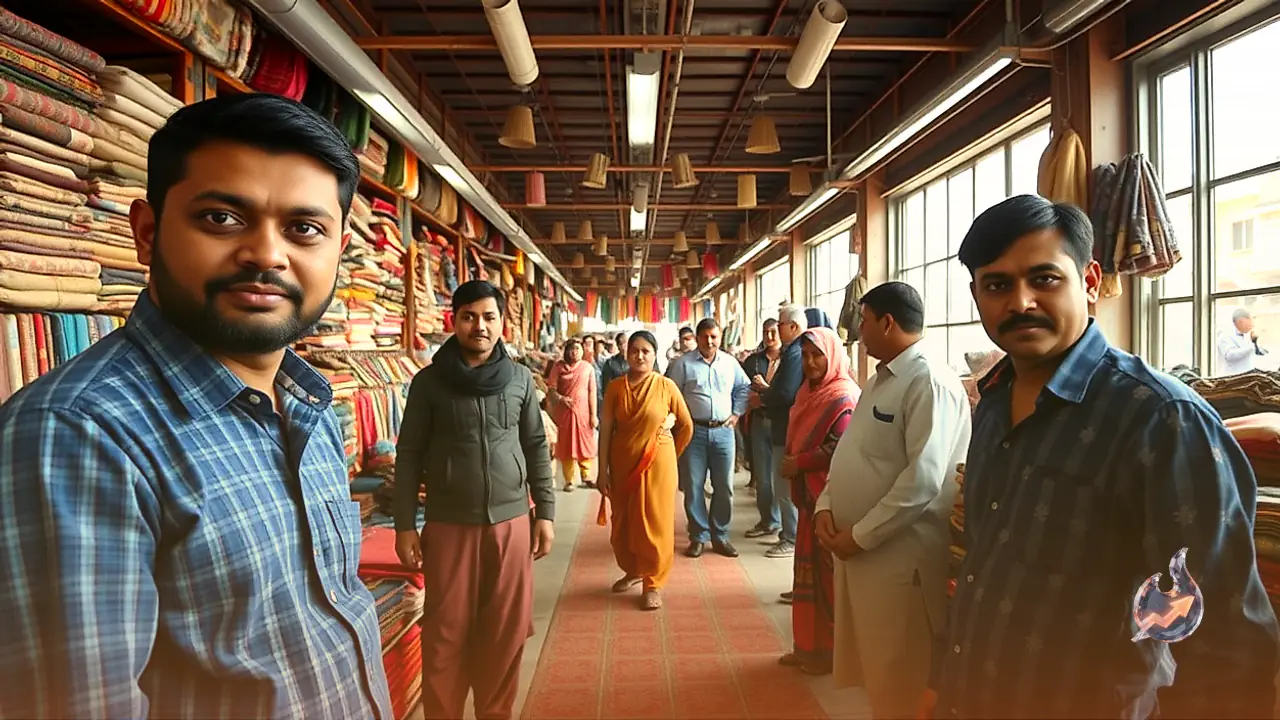



















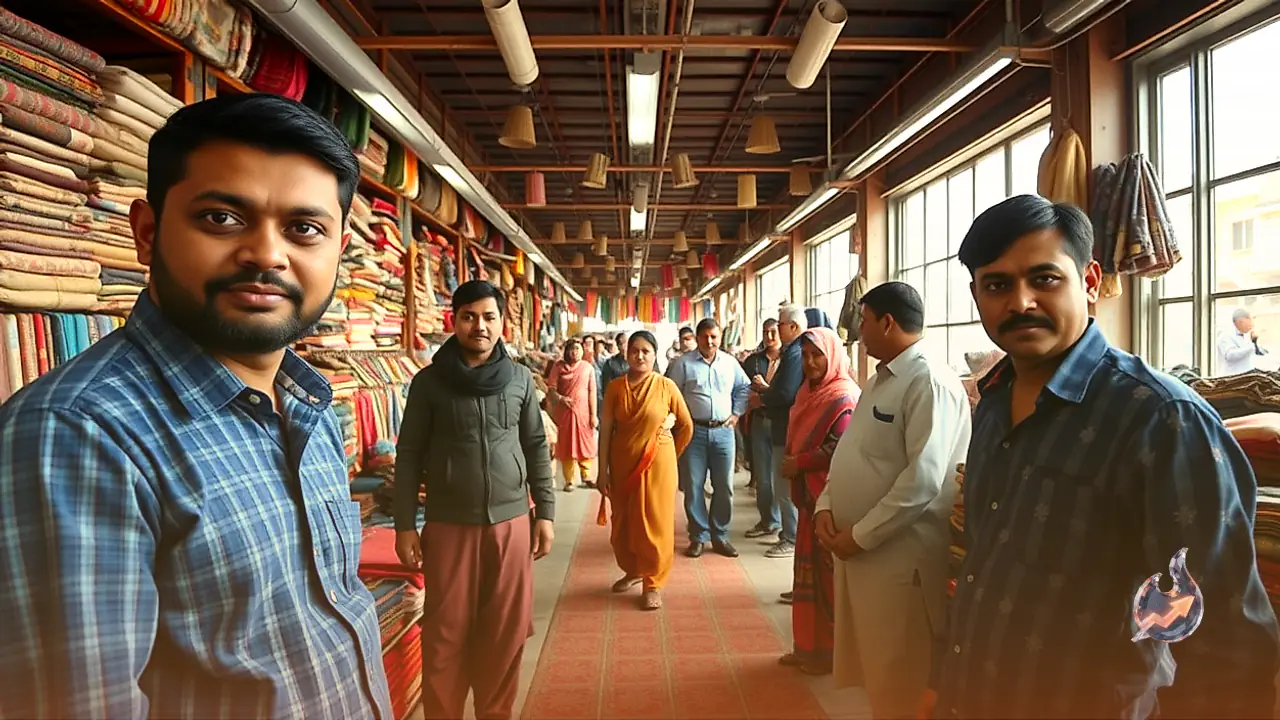

Succeeding in the retail clothing trade requires building a diverse and expansive collection that caters to evolving consumer tastes. In the cutpiece fabric segment specifically, maintaining multiple colour options across a single design pattern demands substantial working capital from store owners. Minhaj Ansari, who has been operating Cotton World near the Gandhi School Road intersection in Jhumri Telaiya for roughly 16 years, detailed the essential financial and operational dynamics behind running a regional textile retail outlet.
Prime Roadside Visibility and Monthly Rental Commitments
Location functions as a critical lever in retail garments, dictating steady footfall throughout the day. Situated right alongside the main road near the Gandhi School Road intersection, Ansari pays a monthly shop rent ranging between 8,000 and 10,000 rupees. Securing an address close to the core market and primary thoroughfare ensures consistent customer walk-ins compared to interior lanes. However, taking possession of a storefront is only the opening outlay, as making the space functional requires significant capital before the first customer arrives.
Interior Buildout and Display Infrastructure Expenses
Transforming an empty commercial shutter into an organized showroom demands considerable investment in wooden fittings and furniture. Ansari invested between 1.5 and 2 lakh rupees to equip the interior. This budget covered the front service counter, seating arrangements for visitors, custom wall racks to hold cloth rolls, and entrance doors. Managing a wide assortment of cutpiece fabrics presents a logistics hurdle inside a compact retail shop. Adequate display shelves and storage capacity are indispensable so that visiting shoppers can easily inspect diverse patterns, fabric weaves, and colour variants without clutter.
Procuring Stock from National Textile Wholesale Centers
To deliver modern fashion trends to local buyers in Koderma, Cotton World sources inventory directly from prominent wholesale hubs across the country. Goods are brought in from Delhi, Mumbai, Kolkata, Surat, and Jamshedpur. Providing regional shoppers with fabrics trending across premier industrial and commercial centers within one storefront gives the business its competitive appeal, which in turn requires holding a massive variety across styles and weaves.
Capital Allocation of 15 to 20 Lakh Rupees in Inventory
The single largest share of working capital in this retail model remains tied up in physical stock. Maintaining an inventory that reflects varied city designs and shifting customer preferences requires an investment of approximately 15 to 20 lakh rupees. Ansari noted that textile mills manufacture individual fabric designs across 10 to 12 distinct colour shades. When customers enter looking for tailoring materials, their color preferences vary sharply. Stocking only one or two primary shades risks losing the customer to a competing shop. Retaining full color sets for every available design inevitably drives up the total capital locked in inventory.
Net Monthly Income Against Operational Overheads
After settling recurring overheads including the monthly shop rent, electricity bills, and general store maintenance, the business yields a net monthly income of around 25,000 to 30,000 rupees. Ansari pointed out that while this monetary figure resembles the salary of a junior-level private job, running a personal business delivers unmatched autonomy. Rather than working under external supervision and strict employment schedules, entrepreneurship allows an individual to determine working hours, make independent operational decisions, and remain their own master.